- | 8:00 am
Visa’s next World Cup move: Soccer-themed art
Visa CMO Frank Cooper III tells Fast Company the value his brand gets from tapping 20 artists from 6 continents to make art for the World Cup.
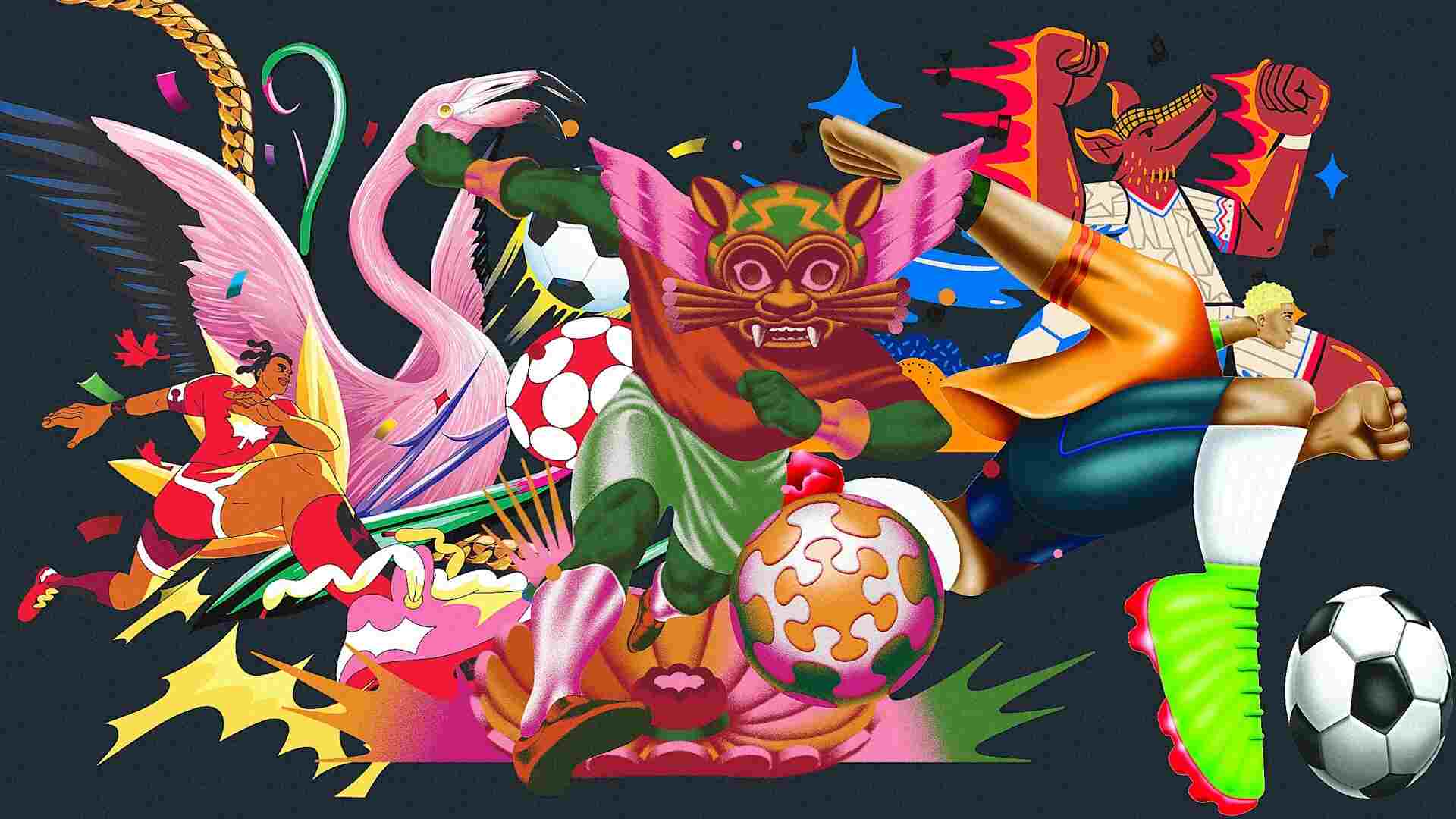


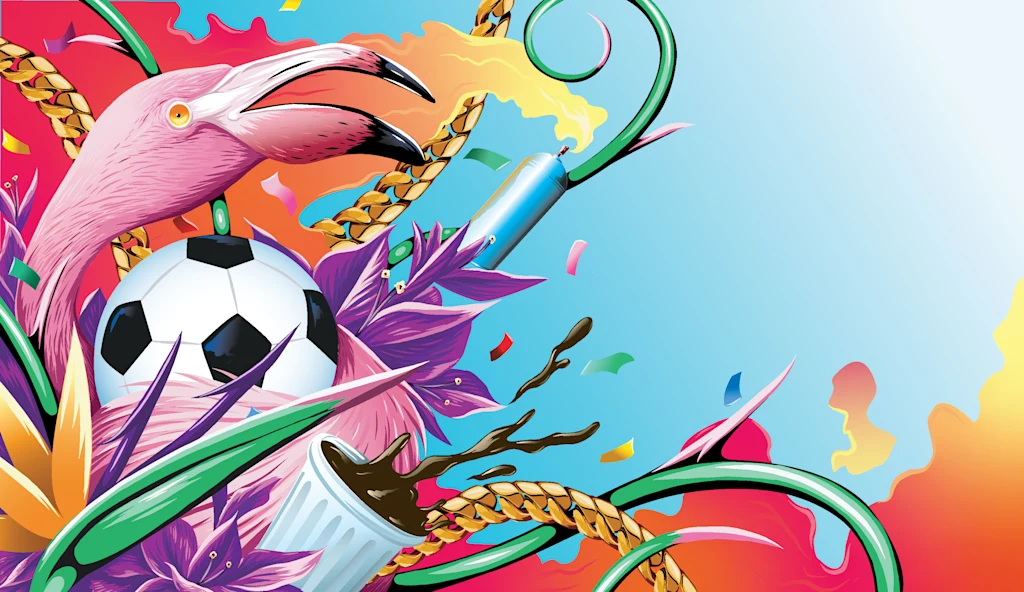
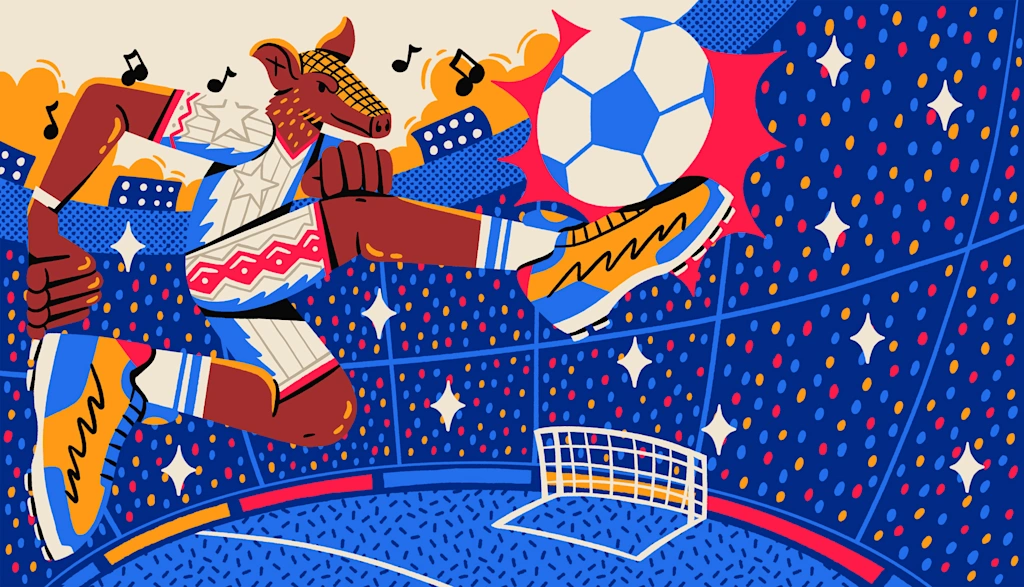
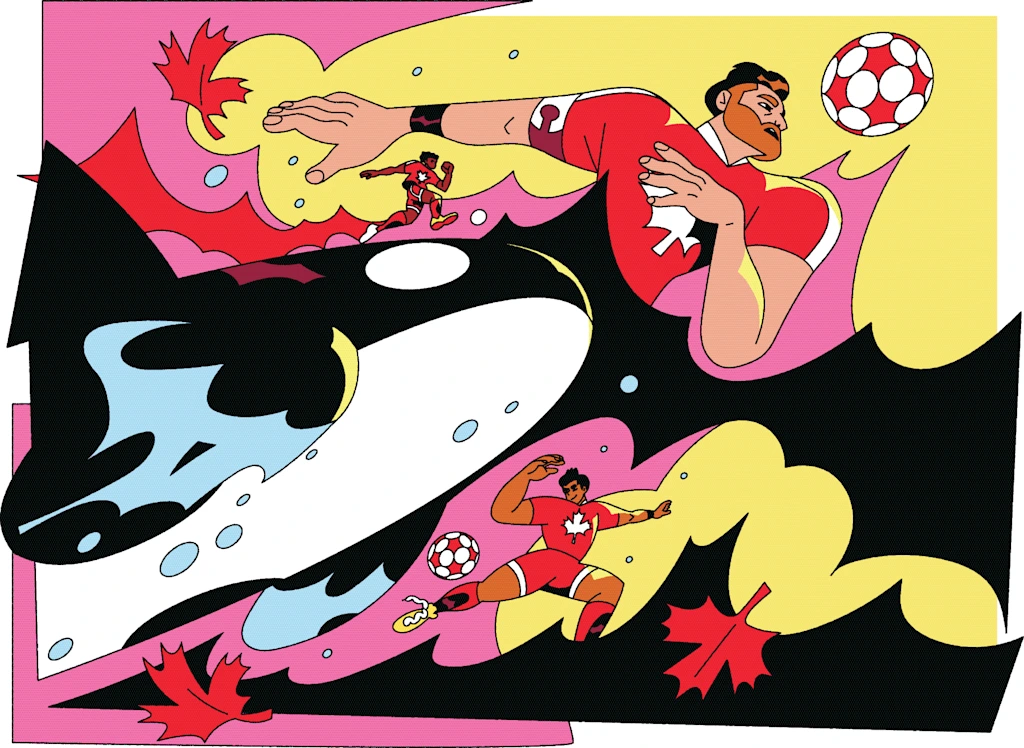
Just before Friday’s draw for the FIFA men’s World Cup 2026 group stage, Visa is launching an artistic update to its sponsorship of the tournament. The brand just announced a new partnership with Pharrell Williams’ Joopiter auction and e-commerce platform, on a new World Cup-themed art collection, featuring 20 different artists from six continents.
The collection aims to show how creativity drives commerce—and how artists are the entrepreneurs shaping communities and culture around the world. Visa has unveiled the first five pieces in the collection at an exclusive Miami showcase called “The Art of the Draw,” hosted by multidisciplinary creator KidSuper. The showcase features the works of artists Darien Birks, Nathan Walker, Cesar Canseco, Ivan Roque, and Rafael Mayani. The rest of the collection is set to come before the tournament kicks off in June.
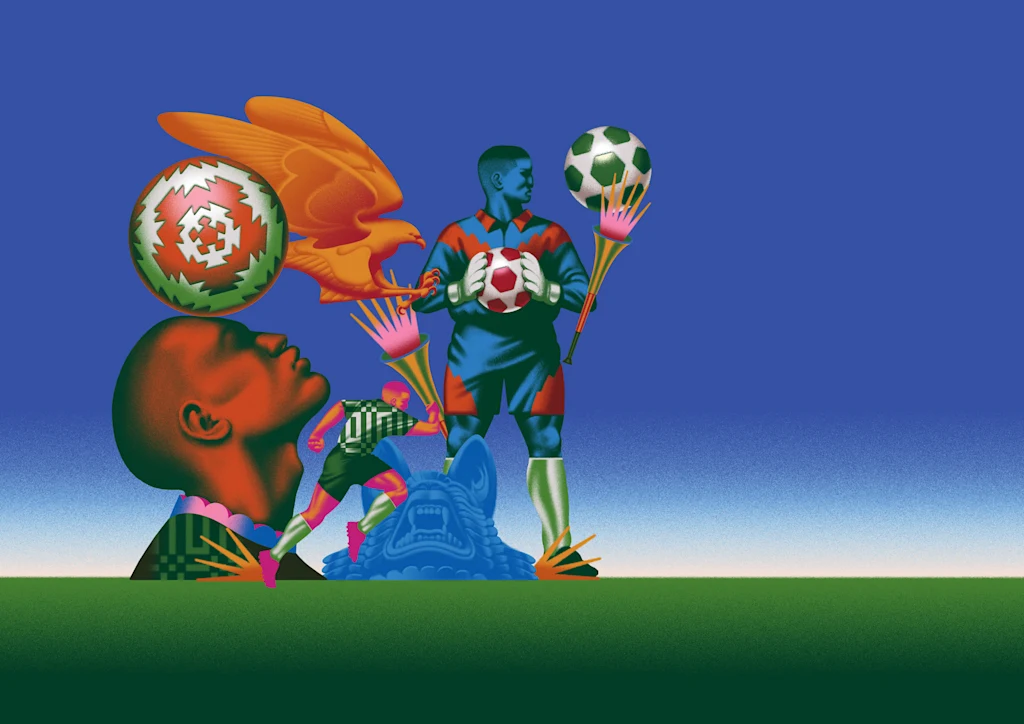
Visa chief marketing officer Frank Cooper III says this collection embodies the brand’s overall approach of using its sponsorships to not just leverage the fan experience around an event like the World cup, but actually add to it.
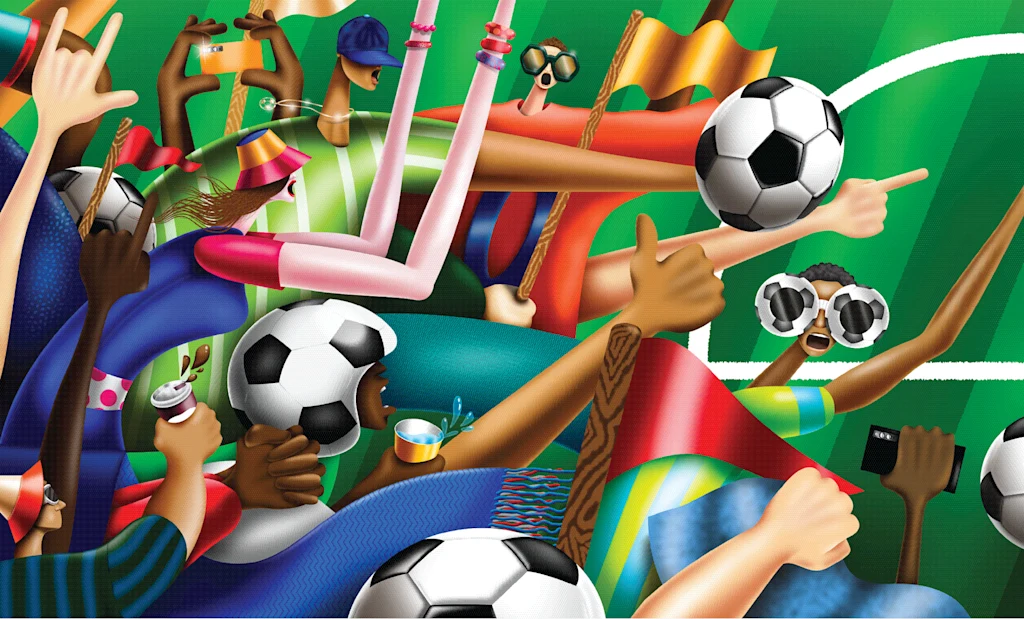
“It’s allowing artists to do what they do best, which is to help us to see things differently and to provoke conversation in ways that may not get provoked through just casual interaction,” says Cooper. “So for me, this opens the aperture of how you can think about the World Cup and football.”
Add value, not ads
Visa first signed on as a World Cup sponsor back in 2007. This will be Cooper’s second tournament with the brand, having joined shortly before the 2022 World Cup.
Back in 2023, in one of his first interviews as CMO, Cooper told me that one of the things he really wanted to do around sponsorship was to move away from what he called “cultural adjacency,” borrowing equity and trying to get a halo off that, and creating awareness by being the proud sponsor of something.
“I’m not dismissing that,” he said. “I think it has a role, but can we actually add value to fans’, the athletes’, or artists’ experience? Can we figure out ways that are less interruptive and more about creating momentum around things people want to do? Otherwise, you start to fade into the background and become wallpaper if people see it too much. There is value in traditional sponsorship, but there’s more value in delivering something that would not happen unless we were there.”
That’s the playbook. Since then, Cooper has led the brand into music and sports, with a pre-Paris Olympics Post Malone concert at the Louvre, and Benson Boone at The Kennedy Space Center’s Rocket Garden, as well as compelling projects in Formula 1, NFL, and the Olympics.
“The mindset that we have is less of, ‘Can I interrupt an experience or insert ourselves into an experience in a way that disrupts people?’ And more of, ‘Can I create original intellectual property that actually makes the experience better?’” he says.
This is where supporting artists from around the world to create a collection that shows the connection between creativity and sports culture comes in.
“The Art of the Draw” is just the latest piece of work Visa has done around next summer’s World Cup, and it won’t be the last. So far, the brand has given its cardholders exclusive early access to World Cup tickets through its Visa Presale Draw back in September. In June, the brand opened the first of six soccer parks throughout the United States in San Francisco, in partnership with Bank of America and Street Soccer USA. And in September, Visa signed Barcelona and Spain star Lamine Yamal as a global ambassador.
Logo Soup
Major sports events like the World Cup have long been drenched in ads from sponsors, from logos on the field to exclusive products and services at the games. Cooper says there is still value in this type of traditional brand presence, but what’s changed over the years is what else is required to give that presence value.
“What has changed is that there’s very little value given to just the pure advertisement,” says Cooper. “It becomes like logo soup. What is probably the most important thing is that fans are asking for the brands that they care about the most, who are connected to these events like the World Cup, to understand the cultural nuances. If you’re going to be involved, you better understand it.”
This is where the level of detail in a brand’s involvement, particularly in fan culture, is key. As Men In Blazers cofounder Roger Bennett told me in August, brands need to get involved in soccer early and often, in order to be more than a tourist at the World Cup in fans’ eyes. Cooper knows this, too. He knows the difference between churning out generic promo T-shirts for fans, and teaming with a local designer for a limited-edition drop. That’s also the strategy behind “The Art of the Draw.”
“What I’m seeing is that fans increasingly are really, really smart about which brands understand the cultural nuances of the activity that they’re engaged in,” he says. “And so what we are trying to do is become much more aware of those cultural nuances, how to tease them out, and how to produce something that actually delivers value in that context.”
Featured Videos
Today's Top Stories:
More Top Stories:





FROM OUR PARTNERS