Abu Dhabi’s clean energy generation has surged more than 1,000% in five years. Here’s what’s driving the growth
Nearly 46% of the emirate's electricity now comes from clean energy sources, up from less than 5% in 2020
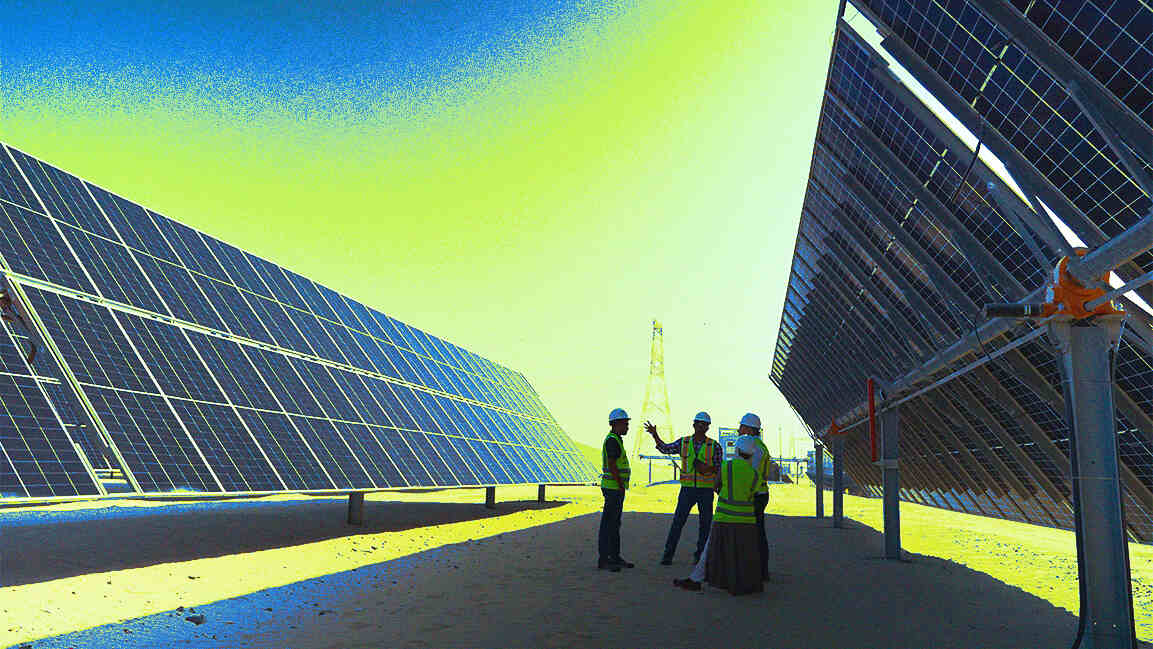


Abu Dhabi’s renewable and clean energy generation has surged by more than 1,000% over the past five years, driven by the expansion of nuclear, solar and wind power, according to Emirates Water and Electricity Company (EWEC).
Renewable and clean electricity generation sources now account for almost 46% of Abu Dhabi’s total power generation, up from under 5% in 2020.
The company’s operational data shows electricity generated from renewable and clean sources increased from approximately 4,100 gigawatt-hours (GWh) to more than 49,300 GWh, reflecting Abu Dhabi’s efforts to reduce its reliance on fossil fuels.
The growth has been driven largely by major investments in nuclear and solar infrastructure, including the Barakah Nuclear Energy Plant, whose four reactors were progressively brought online between 2020 and 2024.
The plant, the first of its kind in the Arab world, provides a continuous source of low-carbon electricity, complementing large-scale solar projects such as Al Dhafra Solar PV and Noor Abu Dhabi, among the world’s largest single-site solar power plants.
“The scale of progress achieved over the past five years demonstrates the impact of EWEC’s long-term planning and the disciplined integration of a diversified renewable and clean energy portfolio,” said Mohamed Almarzooqi, Chief Assets Officer of EWEC.
“By integrating nuclear, solar and wind generation into the UAE’s electricity system at scale, we are reducing carbon intensity while maintaining the reliability and security of supply needed to support the UAE’s continued economic growth,” Almarzooqi added.
The expansion comes as Abu Dhabi works toward its Clean Energy Strategic Target 2035 for electricity production, supporting the UAE’s broader ambition to achieve net-zero emissions by 2050.
EWEC said it will continue to develop clean energy capacity and strengthen grid flexibility to accommodate growing electricity demand while reducing emissions.

Featured Videos
Today's Top Stories:
More Top Stories:




FROM OUR PARTNERS