WTM London 2026 highlights the trends transforming the global travel industry
Industry leaders at WTM London 2026 highlighted rising demand for experience-led travel, luxury tourism, and AI-powered services.
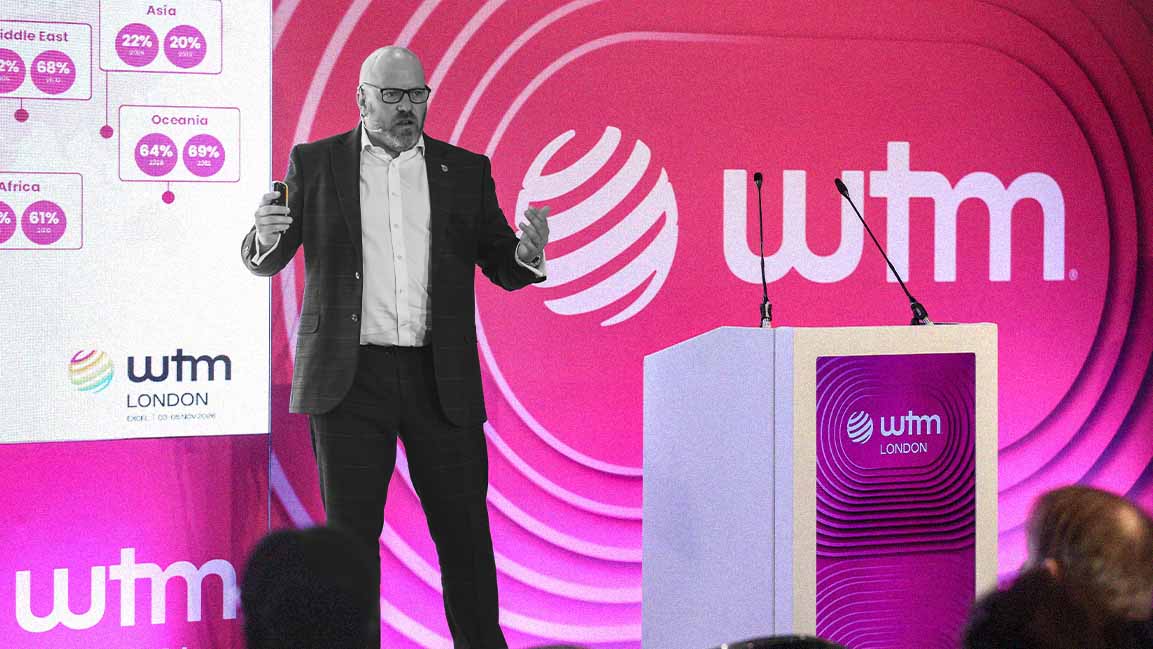


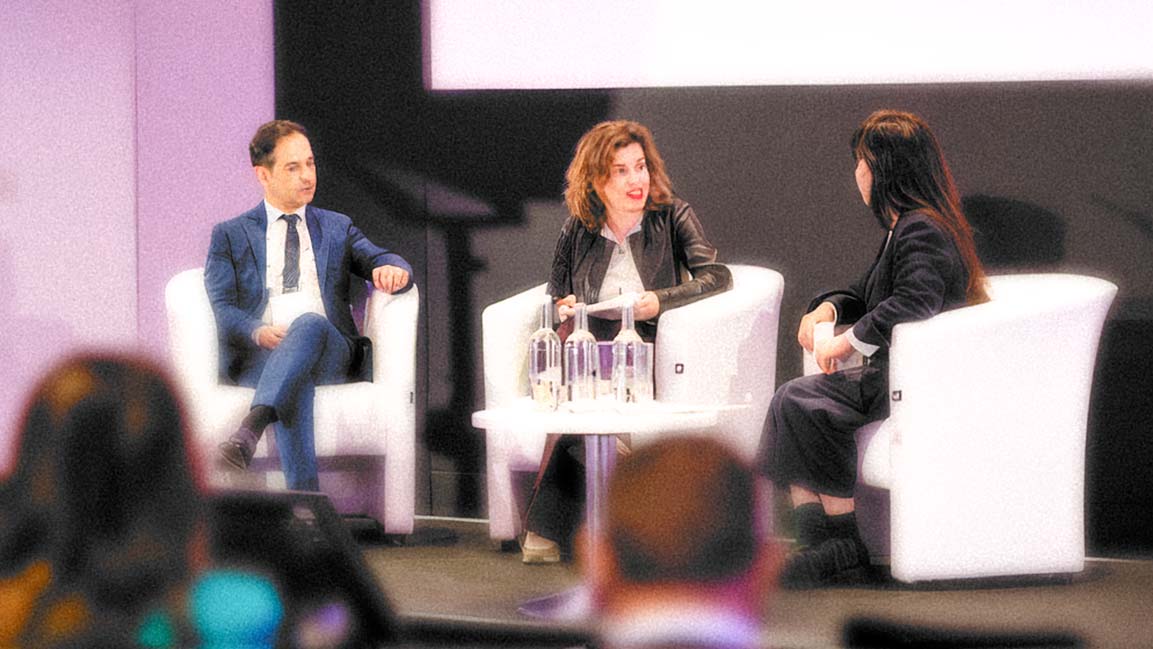
The global travel industry is witnessing a shift toward experience-driven tourism, luxury travel, and artificial intelligence, as industry leaders gathered at World Travel Market (WTM) London 2026 to discuss emerging trends shaping the future of tourism.
The event opened with the launch of the Global Travel Report, developed in partnership with Tourism Economics, highlighting changing consumer preferences and the growing importance of personalized travel experiences.
Dave Goodger, Managing Director at Tourism Economics, noted that declining consumer spending power continues to challenge the industry, with travelers increasingly adjusting their budgets and prioritizing spending.
Meanwhile, Sean Morgan, Head of Travel Research at Tourism Economics, revealed that 60% of surveyed travelers expressed interest in luxury holidays, with experiences emerging as a key consideration.
The changing definition of luxury was also highlighted by Chase Gray of Skift Advisory, who suggested that future luxury travel would focus on “access, not excess.”
He identified three emerging traveler segments: those seeking prestige and exclusivity, those prioritizing personal growth and enrichment, and those looking to strengthen connections with family and friends.
Experience-led tourism emerged as a major theme throughout the event, with discussions exploring how concerts, sporting events, and cultural festivals are becoming significant drivers of travel demand.
Angela Val of Visit Philadelphia highlighted how major events, including Taylor Swift concerts and the FIFA World Cup, have created opportunities for destinations to attract visitors and encourage spending beyond the events themselves.
Similarly, Luiza Fortuna of Superstruct Entertainment revealed that international visitors account for approximately half of the audience at the Netherlands’ Awakenings techno festival, with 80% saying they would not have visited the country without the event.
According to the Global Travel Report, 58% of international travelers have taken a trip abroad specifically to attend an event over the past two years.
The growing demand for immersive experiences is also influencing the cruise industry. Century Cruises announced plans to expand its operations across Europe and North Africa, introducing new itineraries along the Rhine-Danube and Nile rivers by 2028.
The company plans to incorporate culinary experiences, cultural celebrations, and exclusive shore excursions into its offerings to attract luxury travelers.
Meanwhile, accessible tourism emerged as another priority, with the Spanish Tourist Office introducing a hotel guidance initiative as part of its Spain for All strategy.
The initiative aims to help hospitality businesses improve accessibility information and enhance travel experiences for visitors with disabilities.
Technology was another major focus, particularly the growing adoption of AI across travel businesses.
Garry Wilson, CEO of easyJet Holidays, highlighted AI’s potential to automate routine customer inquiries, allowing employees to focus on more complex customer needs.
Discussions at the event’s Future Stage also explored the importance of reliable, connected data for implementing AI solutions.
Industry expert Ani Attamian highlighted a 3,500% year-on-year increase in generative AI traffic to US travel websites as of July 2025, reflecting the technology’s growing influence on how consumers research and plan trips.
She also pointed to IKEA’s adoption of AI-powered customer service tools, which enabled the company to retrain 8,500 employees for advisory and interior design roles, generating $1.37 billion in revenue from higher-value services.
Despite the rapid adoption of technology, speakers emphasized the importance of maintaining human connections in travel experiences.
Natalia Talkowska of Natalka highlighted the role of emotional engagement in influencing consumer preferences, encouraging travel businesses to create opportunities for meaningful interactions.
“Gathering audiences is the new luxury,” she said, emphasizing the importance of experiences that bring people together.
Concluding the opening day, WTM London Event Director Chris Carter-Chapman highlighted the industry’s resilience despite ongoing challenges.

Featured Videos
Today's Top Stories:
More Top Stories:

FROM OUR PARTNERS