UAE ranks first among Arab countries in Global Knowledge Index 2026
The UAE also ranked fifth globally in the UN E-Government Development Index, reflecting its progress in innovation and digital transformation.



As countries increasingly prioritize knowledge and innovation to drive economic growth and resilience, the UAE has ranked first among Arab countries in the Global Knowledge Index (GKI) 2026, scoring 60.4 points.
The country also secured fifth place globally in the United Nations E-Government Development Index (EGDI) 2026, reflecting its continued efforts to build a knowledge-based and technology-driven economy.
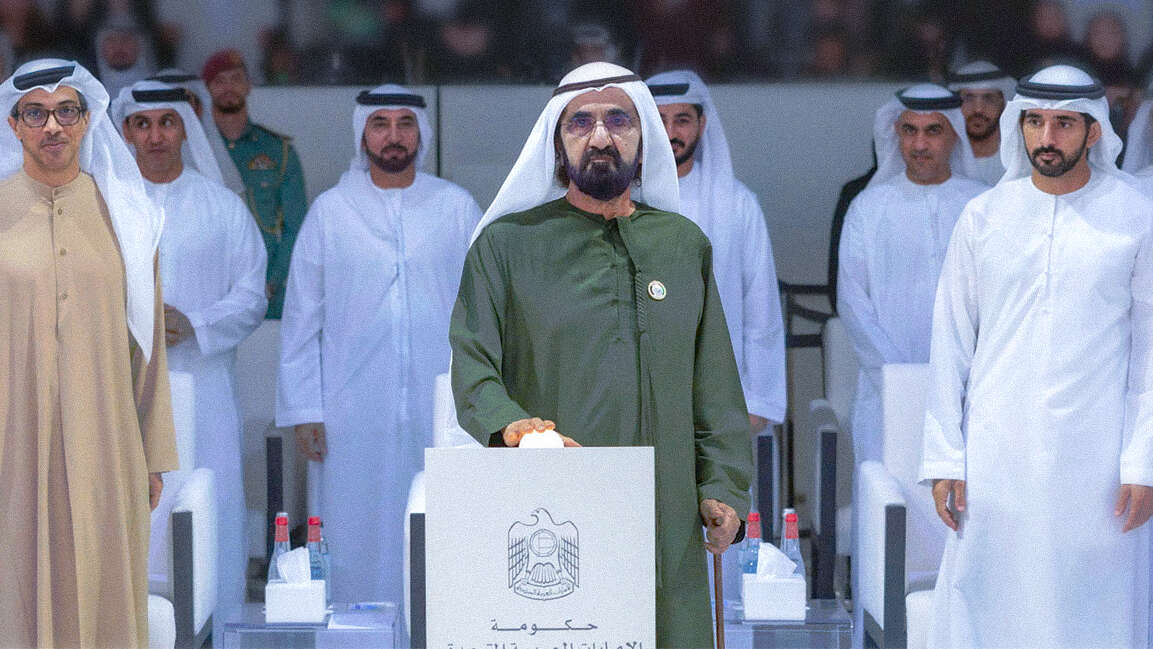
The Mohammed bin Rashid Al Maktoum Knowledge Foundation (MBRF) and the United Nations Development Programme (UNDP) announced the findings during the Knowledge Summit 2026 in Dubai, held under the theme “Knowledge: Navigating Crises in a Changing World.”
Regionally, Saudi Arabia ranked second with 50.4 points, followed by Qatar (48.1), Bahrain (46.3), and Oman (45.5).
Globally, Switzerland topped the index with 69.8 points, followed by Singapore, Sweden, Denmark, and Norway.
Jamal bin Huwaireb, CEO of MBRF, highlighted the role of knowledge in strengthening countries’ ability to navigate challenges and adapt to global transformations. He attributed the UAE’s regional leadership to its continued investment in education, innovation, and human capital as foundations for sustainable development.
He added that the foundation continues to collaborate with UNDP to provide governments with data-driven insights to support policymaking and build more resilient societies.
Dr. Hany Torky, Chief Technical Adviser and Project Manager of the Knowledge Project at UNDP, emphasized the importance of knowledge in enhancing countries’ capacity to anticipate, address, and recover from crises.
The index assesses countries’ knowledge capabilities across six dimensions, covering education, vocational training, research and innovation, information and communications technology, the economy, and environmental, social, and governance (ESG) factors.
The report also highlights persistent disparities in knowledge performance across countries, underscoring the need for greater investment in education, scientific research, innovation, and digital transformation to address global challenges and advance sustainable development.

Featured Videos
Today's Top Stories:
More Top Stories:




FROM OUR PARTNERS