How Anthropic believes branding will shape its post-IPO future
Technical superiority alone may not be enough to beat competition if users view rival models as interchangeable.
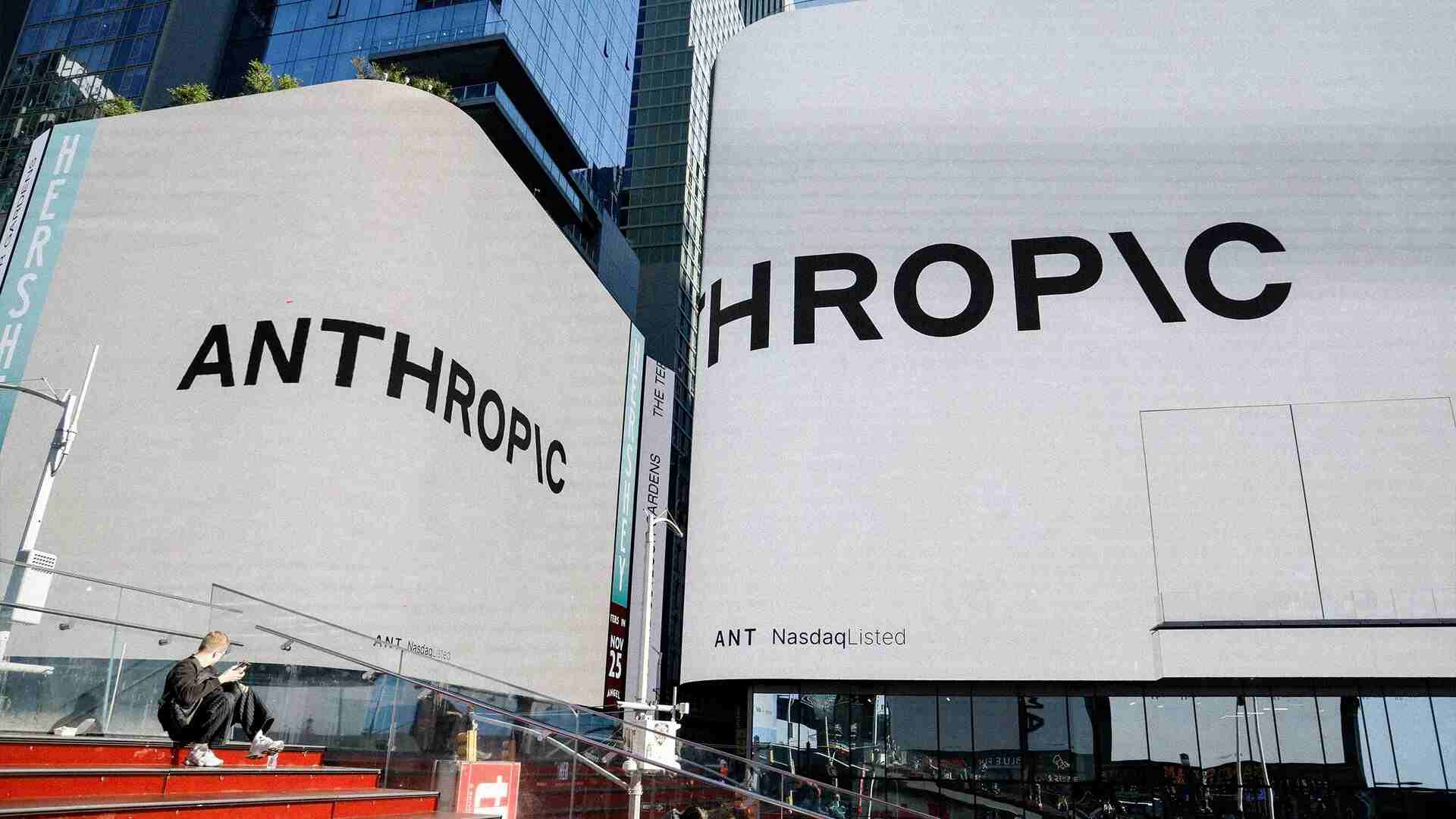


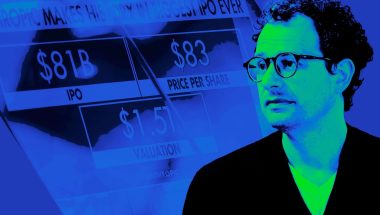
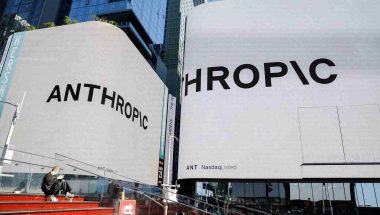
Anthropic enjoyed a singularly blockbuster debut on the Nasdaq yesterday, shrugging off any concerns about going public at a moment when the artificial intelligence industry faces a strained public image. ANT priced at $83 a share, above expectations, making it the biggest IPO of all time, worth a staggering $1.5 trillion; it finished its first trading day at $97.17.
Investors are fundamentally betting on the technology underpinning Anthropic’s products and business. But in this case, it’s easy to overlook the importance of another factor that’s played a major role in the company’s remarkable rise: strong brand optics. Anthropic itself makes that case in its S-1 form, which gave investors a glimpse into the company’s thinking before its IPO. Tellingly, the word “brand” appears 63 times.
Admittedly, the S-1 is a book-length document covering many topics. But the filing reveals a company that recognizes how much branding has mattered in a razor-competitive category like AI—and how much it will matter in the future.
Many of Anthropic’s rivals have launched on the backs of widely known brands or brand ecosystems: Google’s Gemini, Meta’s Muse, Elon Musk’s Grok, Microsoft’s Copilot. OpenAI became a household name thanks to the surprise popularity of its ChatGPT product, and an avalanche of publicity. Anthropic, by contrast, didn’t even exist until a few years ago, when a group broke away from OpenAI to found what was then an upstart rival. With a story specifically touting ethical responsibility and social trust, it leaned on a brand-forward identity from the start.
With notable exceptions—Apple especially—tech companies often treat branding as a squishy afterthought. Innovation and word of mouth, the thinking goes, drive success, not a promoted public image. Anthropic, no doubt, attributes its rapidly growing profile to its flagship chatbot, Claude, and other products establishing it as a world-class AI lab with enormous upside potential (and similarly extreme risks).
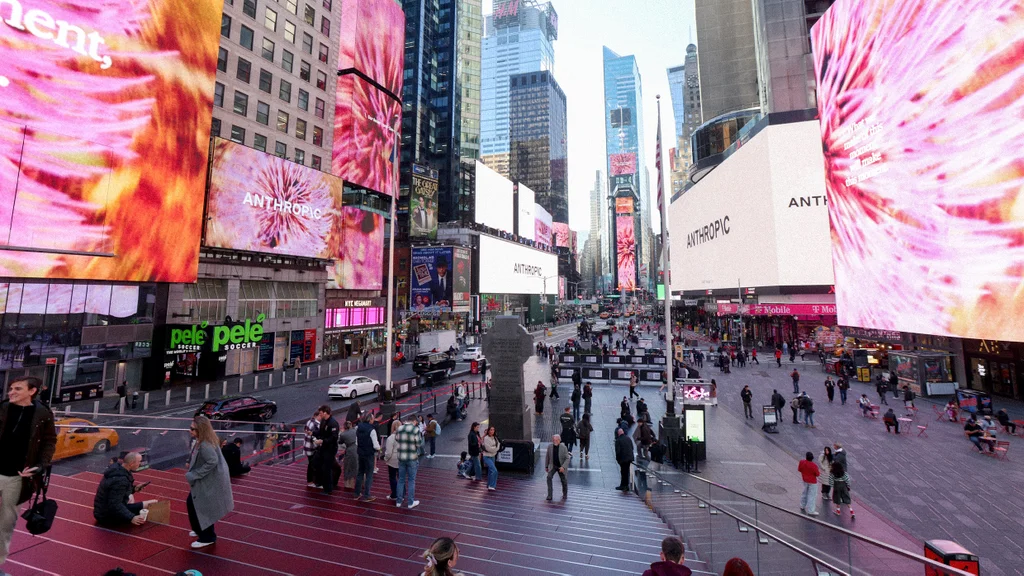
But it’s worth unpacking what that filing had to say on the subject of growth. It argues that even a category-leading product depends on brand reputation, and offers insight into how Anthropic will pursue its branding goals after the IPO. Building on its founding proposition as the AI company with a conscience, Anthropic seeks to cement an image that commingles efficiency and trust, leveraging individual connection with its products to fuel enterprise growth.
For starters, Anthropic reports that its annual ad spending spiked from $33 million in 2024 to $147 million last year, and is expected to keep growing in 2026. (Notably, Anthropic advertised during the Super Bowl this year, poking at OpenAI for incorporating ads into its chat results.)
That may not sound like much for a company that reported $33 billion in revenue through the first nine months of 2026, but it’s clear that its brand strategy isn’t just a gloss, and in fact will help drive growth.
“The promotion of our brand requires us to make substantial expenditures, which we anticipate will increase as our market becomes more competitive,” the filing explains. “If we do not successfully maintain and enhance our brand, our business may not grow, we may have reduced pricing power relative to competitors, we could lose customers.”
More specifically, Anthropic positions brand building as a way to become a recognizable, deliberately chosen collaborator to what it dubs “prosumers.” These individuals pay for AI tools to perform knowledge work and their personal product preferences can influence organizational purchasing like, say, bringing Claude into their workplaces.
The filing doesn’t quite suggest that Anthropic thinks models are becoming commodities, or that branding will ultimately matter more than performance. But in effect, it argues that in an increasingly competitive market, the brand is going to matter a lot to consumers (or prosumers) who see rival products as somewhat interchangeable, and find it easy to jump from one to another.
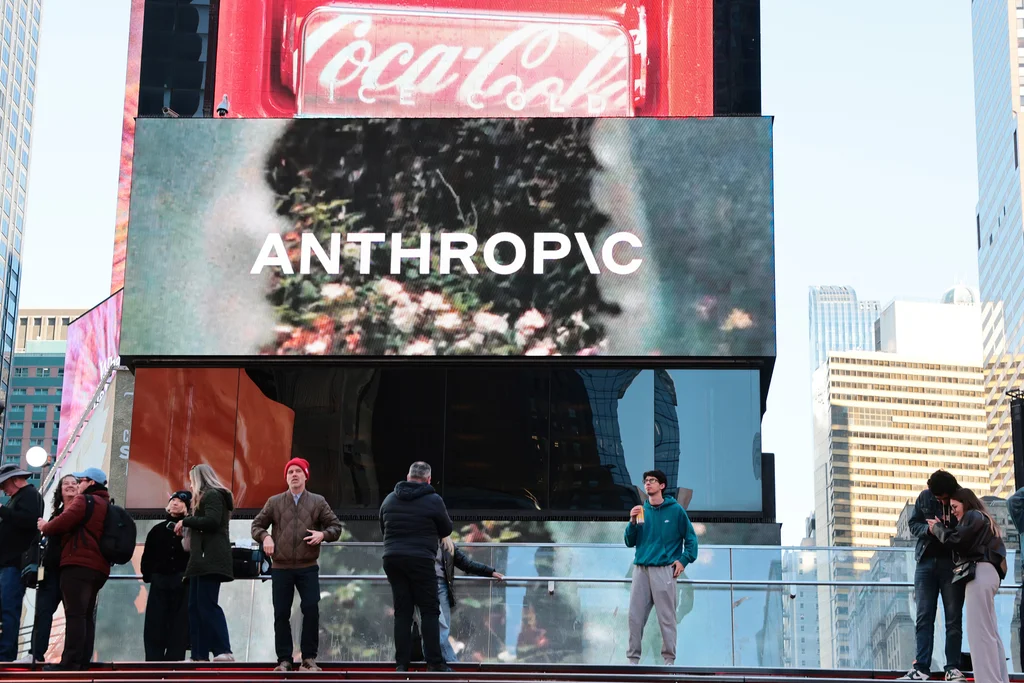
And maybe more to the point: Many others see AI as a problem, spawning controversial data centers and threatening jobs. As the S-1 cautions, Anthropic’s brand must also contend with “broader public perceptions of the AI industry, and we may be grouped with other industry participants and judged similarly, regardless of differences in our approach or conduct.”
The period just before Anthropic’s IPO was a rough stretch for the industry overall. It featured the Jensen Huang scandal at AI mainstay Nvidia, multiple air traffic and Internet failures that sparked (seemingly evidence-less) conspiracy theories centered on AI, and a handy New York Post quiz about surviving an “AI apocalypse.”
Thus Anthropic has been at pains to distinguish itself as the cautious and thoughtful AI company, clashing with the Pentagon about military uses of its technology, claiming to want more regulation, keeping advertising out of its products—and going public as a public benefit corporation, a structure meant to prod leadership to think beyond profits.
Not everyone is convinced. Critics accuse Anthropic leadership of having a “savior complex.” But it does seem remarkable that its IPO was such a roaring success despite a terrible stretch for the sector overall. The stock market measures investor sentiment, which is not quite the same as brand reputation—but also not totally unrelated. Anthropic’s brand may have aided its IPO’s success. And that success is certainly good for the brand.

Featured Videos
Today's Top Stories:
More Top Stories:



FROM OUR PARTNERS