The $13.2 trillion water challenge: H.E. Abdulla Balalaa on financing the world’s future
Ahead of the UN Water Conference in Abu Dhabi, Abdulla Balalaa explains why water investment needs a stronger place in economic planning.


Water shortages can disrupt an economy far beyond the utility that supplies it. A failed harvest can raise food prices. Low reservoirs can constrain factories, while falling river levels can interrupt electricity generation.
Agriculture, manufacturing, electricity generation and data centers all depend on reliable water supplies. Agriculture accounts for around 72% of global freshwater withdrawals. A report published by the World Economic Forum, in collaboration with the University of Cambridge and ACEA, estimates that $13.2 trillion in water infrastructure investment will be needed by 2040.
The 2026 UN Water Conference, which the UAE and Senegal co-host in Abu Dhabi this December, is built around that task. The UAE brings its experience of scarcity, stewardship and innovation to the table, having built water security into its development strategy in one of the driest regions on earth.
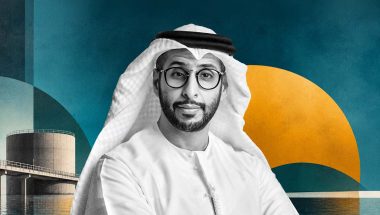
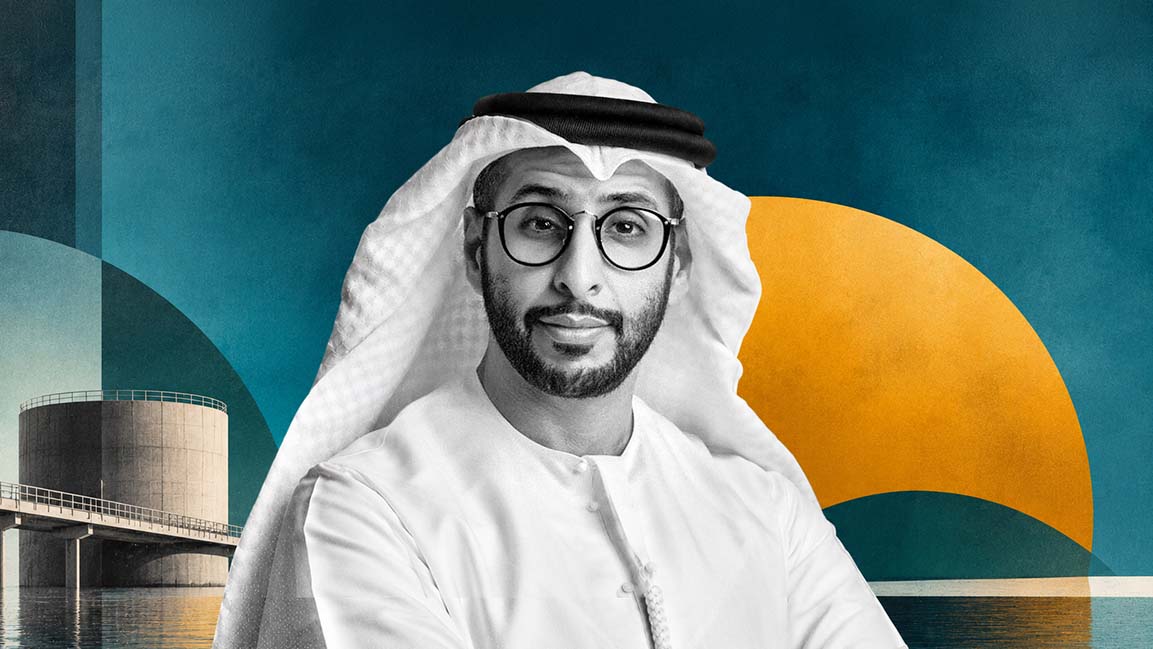
His Excellency Abdulla Balalaa, UAE Assistant Minister of Foreign Affairs for Energy and Sustainability, leads the country’s work on the conference. He discusses why water still sits outside mainstream economic policymaking, what keeps commitments from turning into action, where the bottleneck lies in technology, financing and regulation, how food, water and energy could be planned together, and what AI and data centers mean for water demand, and what success would look like.
THE ECONOMICS OF WATER
“Water is an economic input, a driver of competitiveness, and a foundation of national security,” says Balalaa.
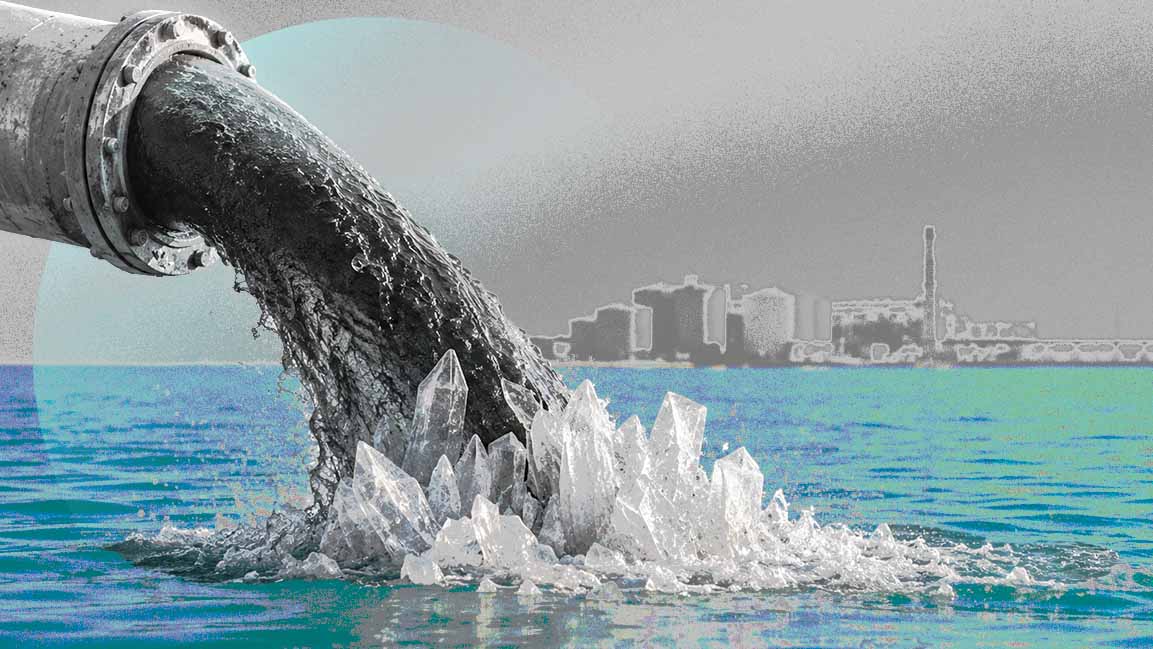
Water scarcity has always been a strategic issue for the UAE. Living in one of the world’s most water-stressed regions, the country has made water security a fundamental part of its development. Investments in desalination, reverse osmosis, wastewater reuse, and smart water management have helped bolster supplies, improve efficiency, and reduce the energy required to produce water. The experience shows that limited resources can actually drive innovation and create new economic activity.
The challenge, Balalaa argues, is that governments continue to approach water, energy, food and infrastructure as separate policy priorities, despite their deep interdependence. Bringing water security into economic planning will require governments and investors to channel more capital into resilient infrastructure and accelerate the adoption of resource-efficient technologies.
“Water security is not simply about managing scarcity. It is about using innovation and investment to build the foundations for lasting prosperity.”
“We know the scale of the problem and in many cases we already know what works,” adds Balalaa. The issue is not one of ambition; it’s one of the conditions for delivery. That’s where the gap is in his view.
Closing that gap takes a specific set of ingredients. Stronger institutions, clearer policy frameworks and investable project pipelines come first, alongside partnerships that bring governments, development finance institutions and private capital to the same table. Innovation also has a role in improving water efficiency, expanding reuse, and building more resilient infrastructure.
“The conference is an opportunity to connect commitments with the practical means of delivery,” the minister says, through mobilizing finance, sharing solutions and building partnerships that speed up implementation.
THE RESILIENCE EQUATION
In one of the world’s most water-scarce regions, securing supply has shaped how the country designs its cities, grows its economy and prepares for the future.
“Resilience is built through foresight, ingenuity, and long-term planning,” says Balalaa.
The habit has roots. Balalaa points to the aflaj, the traditional channel systems through which earlier generations shared scarce water, worked collectively and planned for decades ahead. “While the tools have evolved, the principle remains the same,” he says. Today, the tools include advanced desalination, water reuse, and responsible AI-powered technologies that monitor resources, predict demand, detect leaks, and optimize water use.
Two lessons follow from that history. “Scarcity demands resilience, and resilience depends on innovation,” he says. The pressure to secure water has pushed the UAE to develop new solutions and capabilities, which can now serve other water-stressed countries. “Resilience starts with water,” he says, and by anticipating future pressures and investing in innovation, countries can turn vulnerability into the foundation for lasting prosperity. But developing the technology is only part of the challenge.
The technology is already available, but the real challenge is turning it into practical solutions. T “The real bottleneck is taking the technological innovation and turning it into solutions that can be financed, deployed and scaled.” Desalination is now more cost-effective, water reuse is more advanced, and AI is opening up new possibilities for predicting demand, detecting leaks, and optimizing networks. The next step is to move these tools from pilot projects to real-world use.
That step takes more than engineering. Projects must be commercially viable, regulations must provide clear direction, and financing must be structured to attract investors. Water also has to be valued properly, with the economic cost of scarcity and the long-term benefits of resilience taken into account.
The shortfall is large. “The World Economic Forum estimates that$13.2 trillion in cumulative investment will be needed for global water infrastructure through 2040,” he says.
Meeting it means building stronger pipelines of bankable projects and bringing governments, investors, development finance institutions and technology providers together much earlier in the process. His priority is to link innovation with investment. “When the right technologies meet the right policies, financing, and partnerships, we can move from promising solutions to water resilience at scale,” he says.
The case for treating water as an economic priority becomes even clearer when it comes to food production.
“Food begins with water. Yet we still plan food, water, and energy as if they were separate systems,” says Balalaa. His case rests on a single figure. “Agriculture accounts for around 72% of global freshwater withdrawals,” he says, which places the way food is grown at the center of how water is secured.
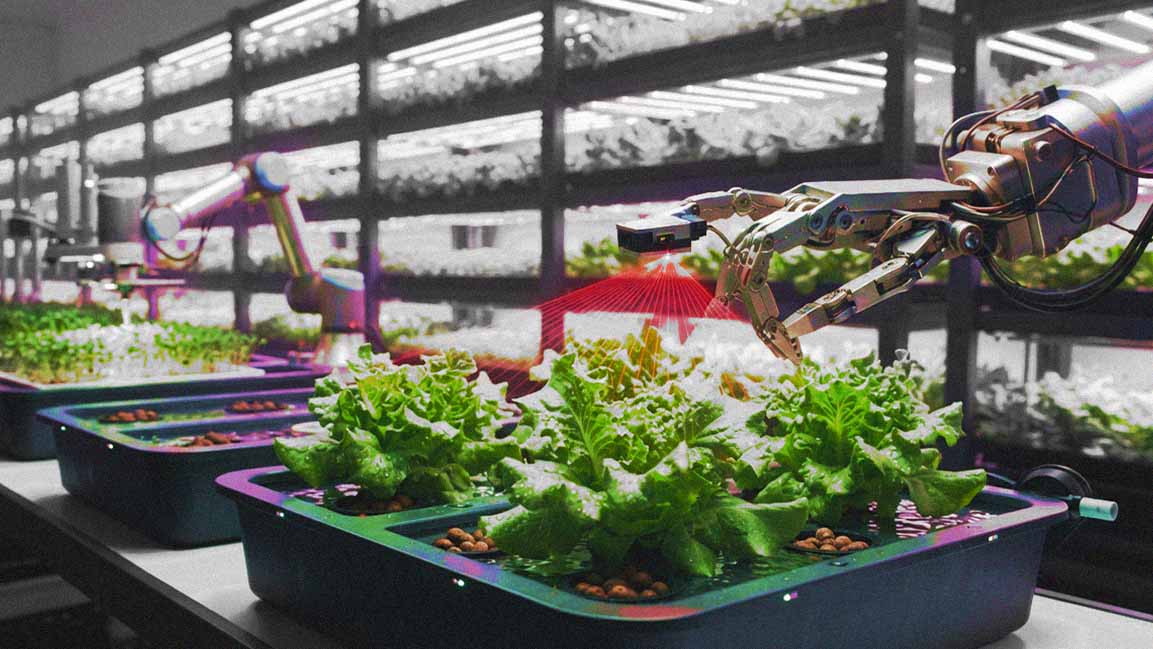
Planning the three together would change how governments set priorities, allocate resources and invest. Agricultural policy would follow water availability, investment would flow towards water-efficient crops and irrigation, safe reuse would expand, and responsible AI and data would sharpen decisions on resource use. “When food, water, and energy are planned as one economic system, we can make smarter investments, strengthen food security, and build resilience across entire economies,” he says.
Food producers, agribusinesses, tech companies, and investors all have a role to play in developing and scaling up efficient technologies, building more resilient supply chains, and funding more resilient food production. “Governments in turn, must align their policy and their investment to make those solutions viable at scale.”
THE COST OF PROGRESS
Shared water can be a bridge between countries. “Water can be a bridge between countries,” says Balalaa. Rivers, lakes and aquifers that cross borders create common interests and, with them, the opportunity to build trust through practical cooperation, even if the infrastructure, finance and political decisions around them are still very much national.
The key is to sustain the effort. There has to be deeper scientific collaboration, institutions have to build up their credibility, and there has to be regular dialogue. When countries recognize common risks and work together, they are better prepared to manage future challenges and build long-term resilience.
Circling back to the UN Water Conference, Balalaa says. “We will bring governments, international institutions, businesses, and communities together to forge partnerships, mobilize investment, and accelerate solutions to shared water challenges. “Abu Dhabi must be a launchpad for cooperation that delivers measurable results across borders,” he adds.
Private capital plays a major role in the water sector, and public policy shapes how it works. “Governments must create the conditions for water investment to flow while protecting affordable access,” says Balalaa.
This means clear regulation, stable revenue models, a pipeline of bankable projects, and fair risk-sharing. Governments set the framework and use public finance to support essential infrastructure and keep water affordable, giving private investors room to fund viable projects. Development finance institutions help reduce risk and attract additional capital, philanthropy can support early-stage innovation, and blended finance brings public, development and private money together.
“Responsible AI and the other advanced technologies can actually strengthen the business case by improving efficiency, reducing water losses and reducing operating costs,” he says. The ambition is to use government policy and public funding to scale up private capital mobilization, delivering sustainable returns while protecting equitable access to water. AI itself is now a water issue. “The AI transformation is also a water transformation.”
The UAE already has the technology in place for its own systems. It’s being used to improve demand forecasting, detect leaks, and optimize the operation of the water system (including desalination). Balalaa wants the same principle applied to data centers and industrial sites, where it would be used to measure, predict, and reduce consumption. “The ambition is to make digital growth water-smart by design,” he says. That ambition will only be realized if governments, tech companies, utilities, and investors come together and align their infrastructure planning, innovation, and investment to ensure that economic growth is, in fact, contributing to long-term water security.
MEASURING WHAT MATTERS
“The real test of the 2026 UN Water Conference is whether it changes what happens on the ground,” says Balalaa.
The conference, in his view, must lift water to the top of the priority list for economic decision-makers and investors, unlocking capital, scaling solutions, and building a pipeline of investable projects.
“Success must be measured in results,” he says, citing more projects financed and delivered, technologies deployed at scale, and more people gaining safe water and sanitation, with a stronger pipeline of projects and partnerships in place to sustain progress well beyond December. “Our ambition is for Abu Dhabi to be a turning point, where the world moves from recognizing the water challenge to financing and delivering the solutions,” he says.
Keeping that momentum alive is the harder task. “Accountability must be built into the process from the outset,” he says. Every commitment needs a clear purpose, an owner, measurable milestones and a way to track progress, since even strong political momentum can fade once a conference ends.
“The real measure of success will be what we can demonstrate in the months and years that follow,” he says.