UAE targets 35% clean energy by 2031, ramps up investment in power and water infrastructure
The higher target comes alongside plans to expand solar capacity and build desalination facilities on the eastern coast, connecting them to the water transmission network
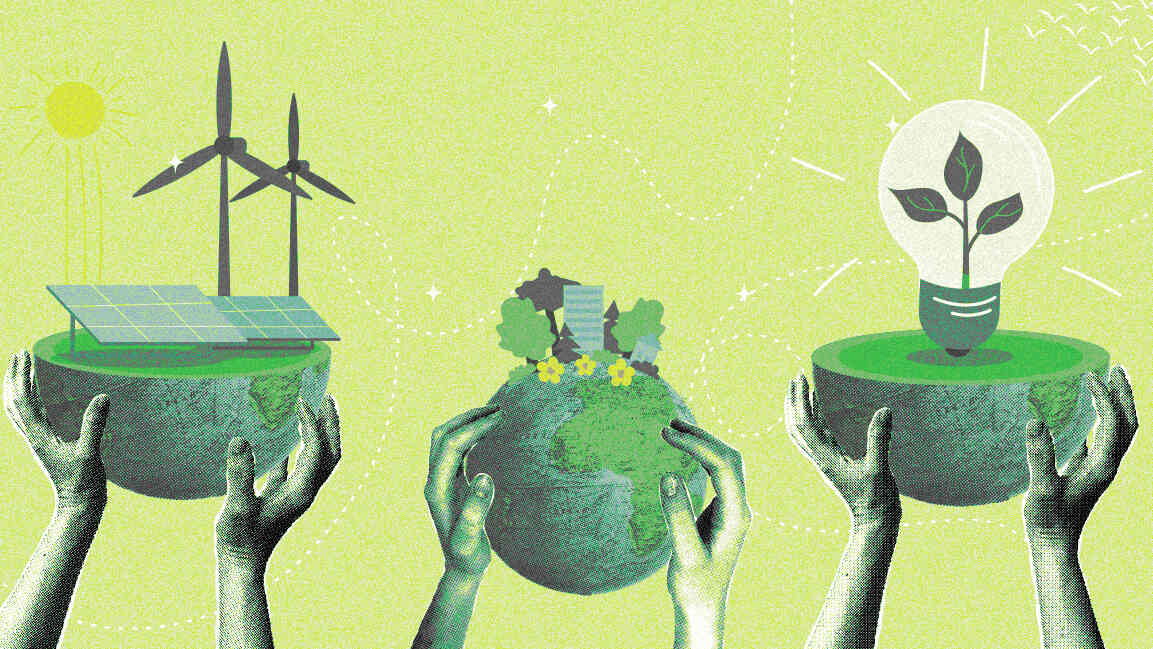


The UAE has raised its target for clean energy to 35% of its electricity mix by 2031, up from 30%, as it expands renewable power and strengthens water security, Energy and Infrastructure Minister Suhail bin Mohammed Al Mazrouei said on Wednesday.
Speaking at the third edition of RAK Energy Summit 2026, he said the country is also looking to expand water desalination facilities along the eastern coast and integrate them into the water transmission network.
The renewed target reflects the UAE’s wider effort to diversify its energy sources and strengthen essential supplies. Al Mazrouei noted that disruptions to energy supplies in some parts of the world have underscored the importance of countries developing strategies suited to their own needs and circumstances.
For the UAE, diversification means relying on solar energy, natural gas and nuclear power. The country had about 8.2 gigawatts of installed renewable energy capacity in 2025 and aims to increase solar capacity to around 23 GW by 2031, alongside 5.6 GW of nuclear power. Advances in battery technology and the growing competitiveness of renewable energy have supported the higher clean energy target, Al Mazrouei said.
The UAE is also working to manage demand for energy and water. A federal government building retrofit project aims to reduce consumption in targeted buildings by up to 27%, supporting the country’s efficiency targets. Al Mazrouei also highlighted opportunities to expand AI-powered building management systems across other sectors and explore incentives for more efficient solutions.
In the water sector, Al Mazrouei said the UAE is exploring the use of advanced technologies and connecting them to water transmission networks to increase production capacity and diversify water production locations, as well as expand storage capacity in underground reservoirs.
He emphasized that the Ministry of Energy and Infrastructure is working closely with federal and local entities to exchange knowledge and expertise and build on the outcomes of initiatives aimed at improving energy and water consumption efficiency across buildings.
Looking ahead, he pointed towards anticipated infrastructure development over the next five years, with road networks, logistics infrastructure and energy projects expected to form key areas of activity.

Featured Videos
Today's Top Stories:
More Top Stories:

FROM OUR PARTNERS