
- | 1:00 pm
Mercedes-Benz unveils new S-Class with advanced technology and AI integration
Timed to mark 140 years since Carl Benz invented the automobile, more than half of the vehicle has been newly developed or re-engineered.
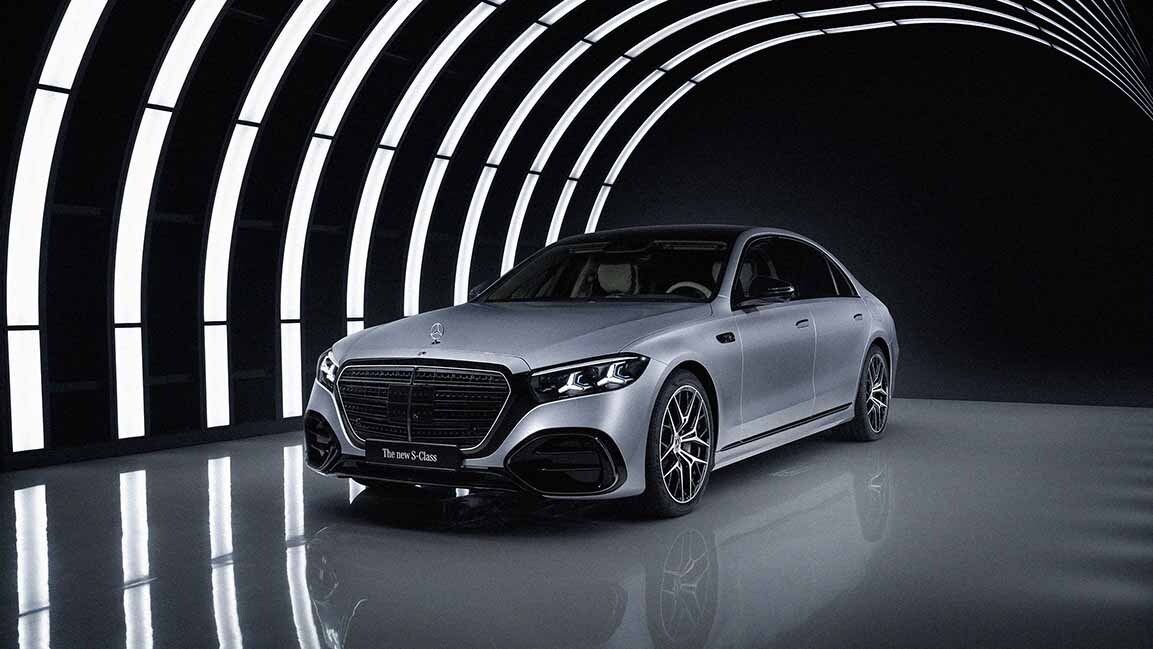


Mercedes-Benz has launched the latest generation of its S-Class, introducing updated design elements, new technology, and expanded digital features. The vehicle combines a range of powertrains, including a V8, six-cylinder, and plug-in hybrid options, alongside an upgraded interior and driver-assistance systems.
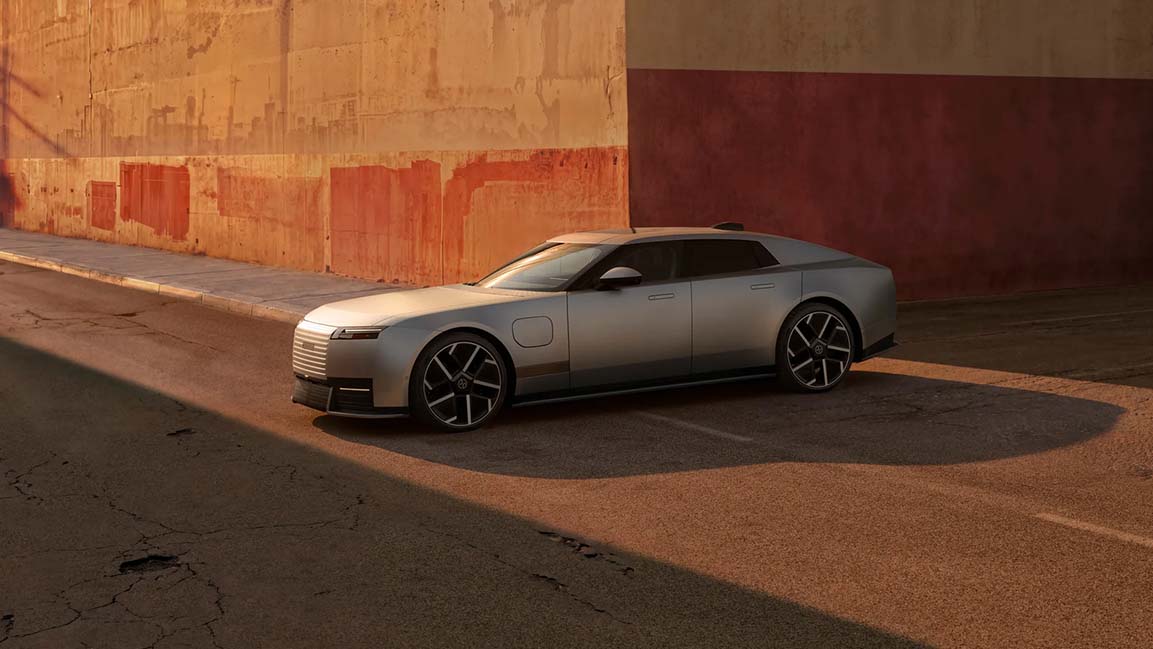
The exterior of the new S-Class has undergone several revisions. The grille is now 20% larger than the previous generation, with four horizontal bars and optional illumination for selected models. The headlights have been redesigned with updated styling, and certain variants feature integrated light projectors that can project the Mercedes-Benz logo onto the ground. At the rear, the S-Class features a two-part trim strip finished in chrome and high-gloss black, with the AMG Line variants receiving sportier bumpers and side skirts. Wheel designs now include 20-inch options produced through high-pressure casting to reduce weight.
The interior of the S-Class has been updated with a focus on digital integration. Central to this update is the MBUX Superscreen, a continuous digital display spanning the driver, center, and passenger screens. This system provides access to navigation, entertainment, and productivity features and integrates generative AI to enable natural-language interaction. Passengers can use voice commands to adjust climate controls, navigation routes, and media playback, as well as request complex information or guidance. The system supports video streaming from platforms such as YouTube and Disney+, audio streaming through Amazon Music, and audio content via Audible. Sound output is enhanced through Dolby Atmos for a three-dimensional listening experience.
Rear passengers have access to the MBUX High-End Rear Seat Entertainment System, which enables video calls, media streaming, and touch-based operation. The rear seats are adjustable and can recline, providing additional legroom and a workspace option for passengers. The S-Class features multi-stage air filtration systems and digital vents that allow passengers to independently control airflow and temperature, while seat functions include heating, ventilation, and massage programs.
Mercedes-Benz has integrated advanced safety and driver-assistance systems into the new S-Class. The MB.DRIVE system includes adaptive cruise control, lane-keeping assistance, and rear-axle steering, allowing for improved maneuverability at low speeds and stability at high speeds. Micro-LED adaptive headlights automatically adjust lighting patterns to enhance visibility without disturbing oncoming traffic. The high-beam assist system adjusts dynamically to traffic conditions and road environments.
The S-Class is available with multiple powertrain options, including a V8 engine, six-cylinder inline engines, and plug-in hybrid variants. The S 580 4MATIC Saloon features a V8 producing 395 kW and 750 Nm of torque, supported by mild-hybrid technology to improve efficiency and smooth performance. Plug-in hybrid models provide a combination of electric driving range and combustion-engine performance, reflecting Mercedes-Benz’s focus on reducing emissions while maintaining driving dynamics.
The security-focused S 680 GUARD 4MATIC variant is designed for customers requiring armored protection. It offers a civilian protection level VR10 and includes a protective cell, armored body panels, reinforced windows, and a positive-pressure air system. Interior modifications allow for secure communications and operational needs while maintaining functionality for both the driver and passengers.
Production of the new S-Class takes place at Mercedes-Benz’s Sindelfingen plant within Factory 56, the company’s advanced assembly hall designed to improve efficiency and flexibility. The factory is equipped to handle multiple S-Class variants on the same production line, including armored versions. The high-pressure casting process for wheels reduces weight and supports performance and efficiency goals. Mercedes-Benz has emphasized modularity in production, allowing different body types, engines, and equipment packages to be assembled with minimal adjustments to the production workflow.
The S-Class also includes digital features aimed at connectivity and convenience. Passengers can use the in-car digital assistant to plan routes, manage vehicle settings, and access real-time traffic data. The infotainment system provides updates over-the-air, ensuring that software improvements, navigation updates, and feature enhancements are delivered without requiring a visit to a dealership. The system can recognize individual passenger profiles and adjust seating positions, media preferences, and climate settings based on user identification.
Mercedes-Benz has positioned the new S-Class to maintain its reputation as a benchmark in the luxury segment, combining technology, safety, and performance. The integration of AI and advanced driver-assistance systems reflects a broader trend in the automotive industry, where vehicles are increasingly serving as platforms for software, connectivity, and personalized experiences. While the S-Class continues to offer traditional markers of luxury, such as spacious interiors and advanced comfort features, its technology suite is central to its appeal in both established and emerging markets.
In addition to digital enhancements, the S-Class also introduces new aerodynamic features. The body design has been optimized for reduced drag, improving efficiency across all powertrain variants. Weight distribution has been adjusted using lightweight materials, including aluminum and high-strength steel, balancing performance and safety. The vehicle’s suspension system has been updated to provide stability and comfort across varied driving conditions, with adaptive damping that responds to road surface and driving style.
The vehicle’s connectivity extends to smartphone integration, enabling users to interact with the car remotely. Owners can monitor charging levels, start climate control functions, and receive notifications on maintenance requirements through the Mercedes-Benz app. The plug-in hybrid variants allow for home charging or use of public charging infrastructure, supporting Mercedes-Benz’s strategy for sustainable mobility.
Mercedes-Benz has also expanded personalization options in the new S-Class. Customers can select from a range of interior finishes, upholstery materials, and trim packages, while AMG Line variants include performance-oriented suspension tuning and aesthetic updates. The availability of different body styles and powertrain configurations is intended to meet diverse market demands, from traditional combustion-engine enthusiasts to hybrid-oriented buyers.
The S-Class’s driver-assistance systems have been updated to support semi-autonomous functions under certain conditions. These include lane-change assistance, automated parking, and adaptive cruise control with stop-and-go capabilities. The integration of AI enables the system to learn and anticipate driver preferences, dynamically adjusting settings to reduce fatigue and improve safety during long journeys.
Mercedes-Benz continues to use the S-Class as a testing ground for innovations that may later be applied across its vehicle lineup. Technologies such as integrated AI, advanced driver-assistance systems, and modular interior designs reflect broader trends in the automotive industry toward connected, software-driven vehicles. The company’s approach emphasizes combining performance, safety, and digital convenience while maintaining traditional aspects of comfort and usability.
With the latest S-Class launch, Mercedes-Benz highlights the growing importance of technology in luxury vehicles. The combination of multiple powertrain options, including mild-hybrid and plug-in hybrid models, alongside enhanced digital systems, positions the S-Class to meet regulatory emissions requirements while maintaining performance. Meanwhile, safety and security options, including armored variants, demonstrate the model’s appeal to a wide range of buyers with specific operational needs.
The Sindelfingen production facility illustrates Mercedes-Benz’s focus on efficiency and adaptability in manufacturing. By standardizing certain production processes and implementing modular assembly techniques, the company can maintain flexibility across vehicle variants. This approach allows Mercedes-Benz to respond to market demand quickly while ensuring consistent quality across the S-Class lineup.
From 30 January 2026, customers can configure and order the new Mercedes‑Benz S 350 d 4MATIC Saloon online. The model is available from a starting gross list price of €121,356.20, including 19 % VAT. Mercedes‑Benz is also offering competitive leasing and financing options, with private customers able to lease the vehicle from €1,020.00 per month, inclusive of VAT. Business customers can access the model starting from a net price of €101,980.00, excluding VAT.
Overall, the new S-Class is designed to combine advanced technology, performance, and interior flexibility. Its features reflect a continued emphasis on digital integration, safety, and sustainable mobility options. While the S-Class remains a flagship model, the updates underline Mercedes-Benz’s efforts to align with industry trends in electrification, AI-driven convenience, and semi-autonomous driving technologies.

Featured Videos
Today's Top Stories:
More Top Stories:




FROM OUR PARTNERS