
- | 11:00 am
Dubai moves to future-proof its skyline with new building safety and quality law
A new law requires safety certification, stricter inspections, and digital oversight for buildings across Dubai.
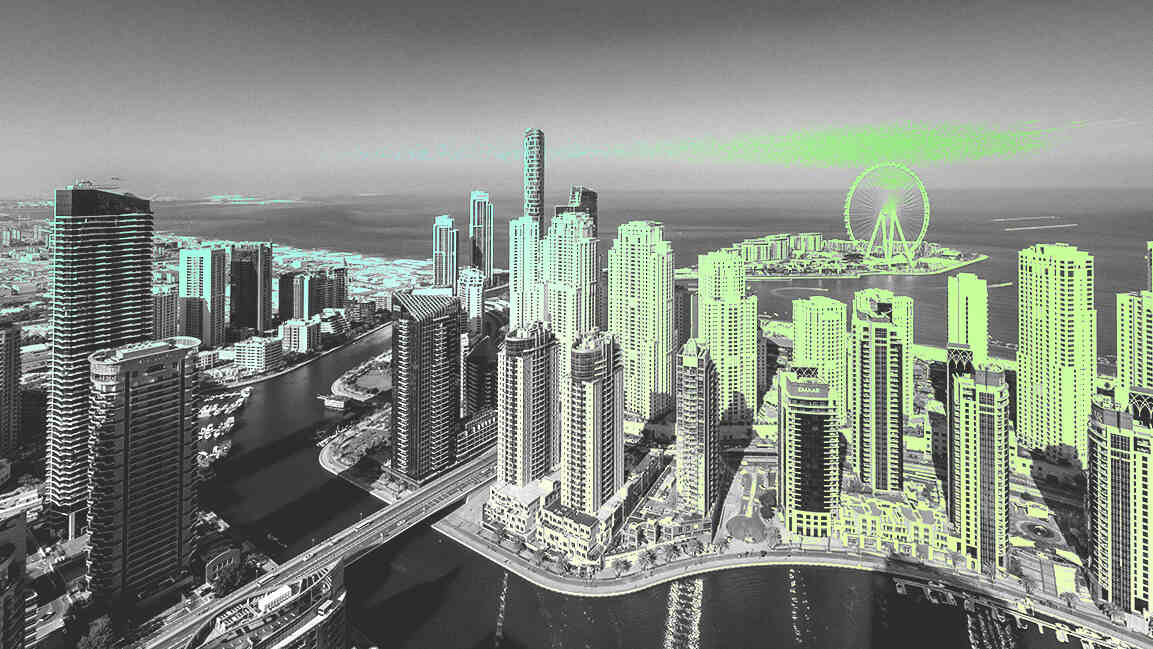


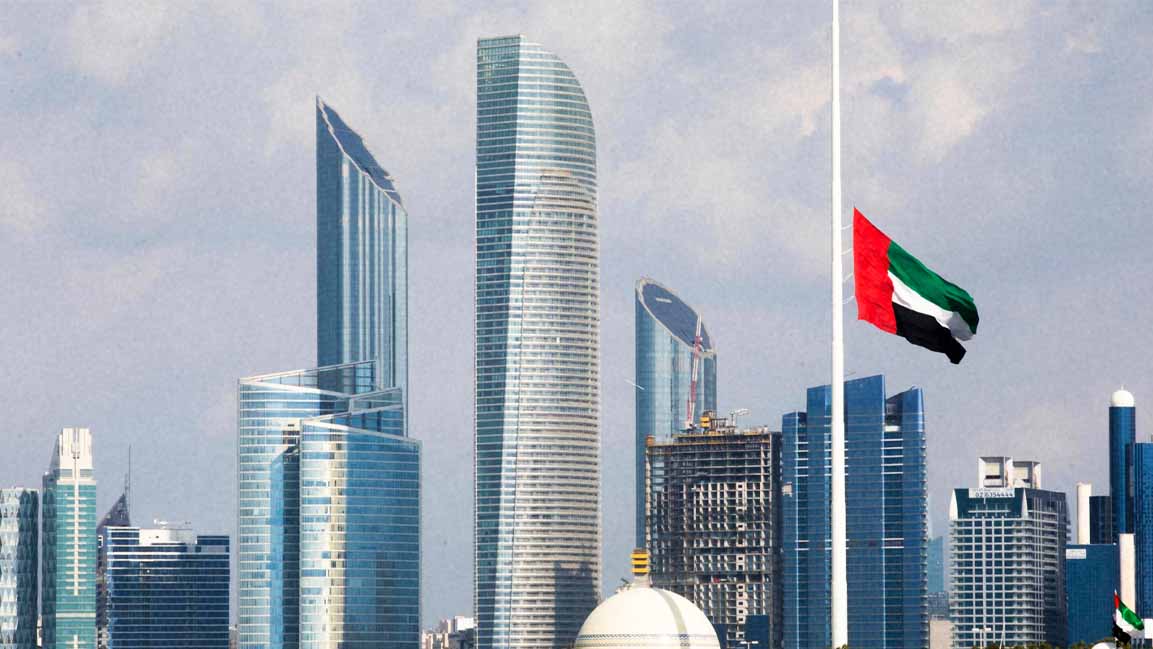
In a move aimed at strengthening urban resilience and long-term infrastructure safety amid growing regional uncertainty, Mohammed bin Rashid Al Maktoum has issued a new law regulating building quality and safety across Dubai.
The legislation comes as governments across the Gulf Cooperation Council increasingly focus on safeguarding critical infrastructure and ensuring urban environments remain resilient during periods of geopolitical tension and rapid urban expansion. Against this backdrop, Dubai’s new framework aims to strengthen oversight of the emirate’s built environment while supporting its long-term sustainability goals.
Issued in his capacity as Ruler of Dubai, Law No. (3) of 2026 establishes a comprehensive regulatory framework governing the quality, safety, and maintenance of buildings across the emirate. The provisions apply to all buildings in Dubai, including those located in private development zones and free zones such as the Dubai International Financial Centre, regardless of whether they were built before or after the law comes into effect.
The law seeks to ensure the structural integrity and sustainability of buildings by mandating regular maintenance and safe operation of building systems. It also aims to enhance occupant wellbeing, reduce accidents, protect lives and property, and preserve Dubai’s urban identity.
Under the law, Dubai Municipality will oversee building safety and quality across the emirate. Its responsibilities include establishing a digital management system, maintaining a unified building database, conducting periodic assessments, and setting sustainability standards. The municipality will also supervise maintenance, investigate incidents, implement corrective measures, regulate construction materials, and manage a digital building portal.
The legislation introduces a mandatory Quality and Safety Certificate for buildings, which will be issued only after a licensed engineering office conducts a comprehensive inspection of a building’s structural and technical condition in accordance with the law.
Building owners must obtain the certificate after construction is completed, address any defects identified during inspections, and continue regular maintenance. The certificate will be valid for 10 years for buildings under 40 years old and five years for those older, with renewals subject to conditions set by the Executive Council of Dubai.

Featured Videos
Today's Top Stories:
More Top Stories:


FROM OUR PARTNERS