- | 9:00 am
Does diversity strengthen crisis response in UAE workplaces?
A single global crisis triggers many human responses, changing how teams feel, think, and work together.
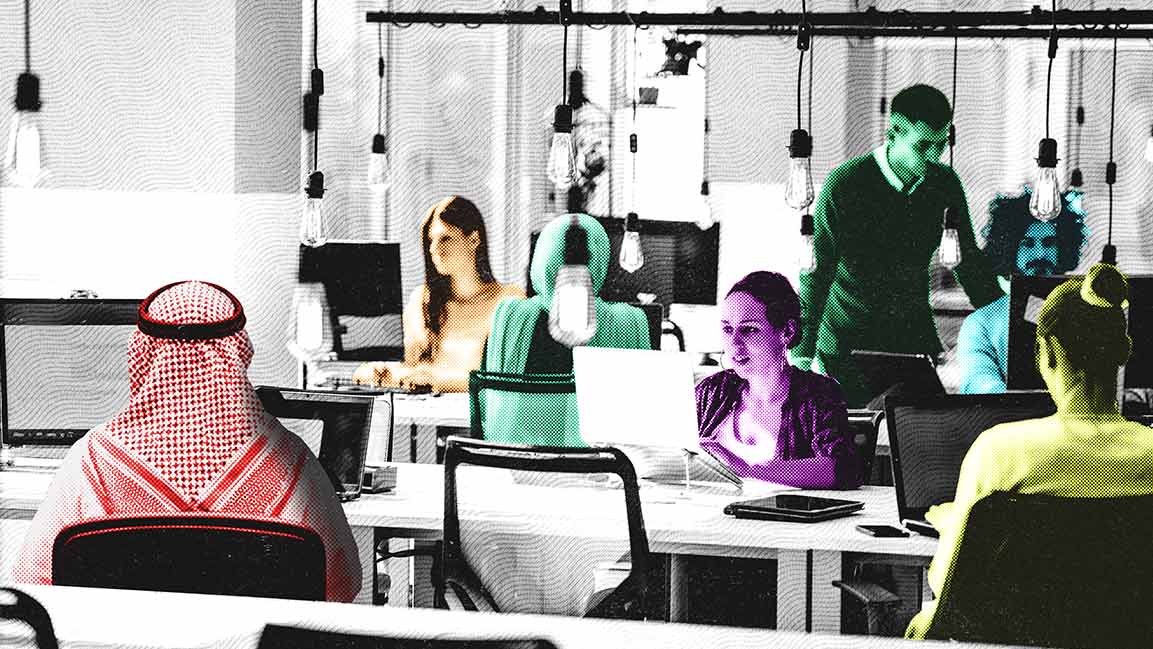


When a geopolitical crisis happens, the modern workplace often becomes an unexpected psychological crossroads. Nowhere is that more visible than in the UAE.
Here, expatriates account for nearly 90% of the population, creating one of the most internationally diverse labor markets in the world. Big offices in cities like Dubai often host professionals from more than 200 nationalities, with diverse experiences of conflict, security, and political instability.
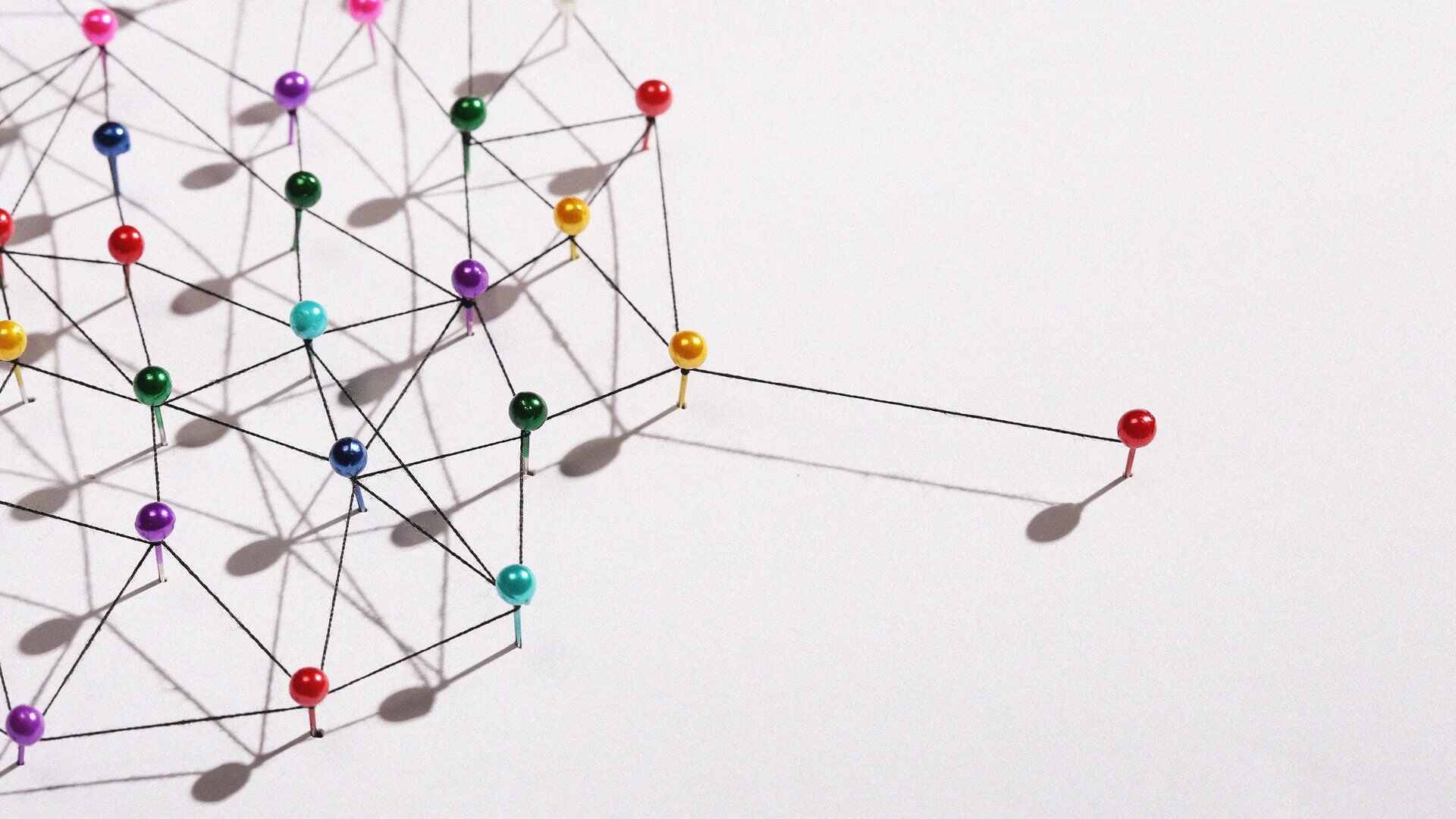
As tensions escalate, these differences manifest in subtle yet powerful ways, with the same geopolitical event viewed through various psychological and cultural lenses within a single team.
ONE CRISIS, MANY INTERPRETATIONS
“How people emotionally respond or interpret the same event is shaped by their lived experiences. Culture plays a powerful role in how people perceive risk, uncertainty, and emotional expression,” says Dr Jane Halsall, Chartered Counselling Psychologist.
“People who have previously experienced conflict or political instability may react more quickly to perceived threats because their nervous system is already primed by past experiences. Others who have grown up in more stable environments may feel shocked or unsettled because such events feel unfamiliar,” adds Dr. Halsall.
These contrasting perspectives mean a geopolitical incident can evoke grief, fear, urgency, or indifference, sometimes all within the same team. Cultural expectations around emotional expression further widen the gap.
“In some cultures, it is acceptable to openly discuss fear or anxiety, while in others, emotional restraint is valued. In a place like the UAE, where teams are extraordinarily diverse, this means the same event can generate very different emotional responses within the same workplace.”
WHEN STRESS RESPONSES CLASH
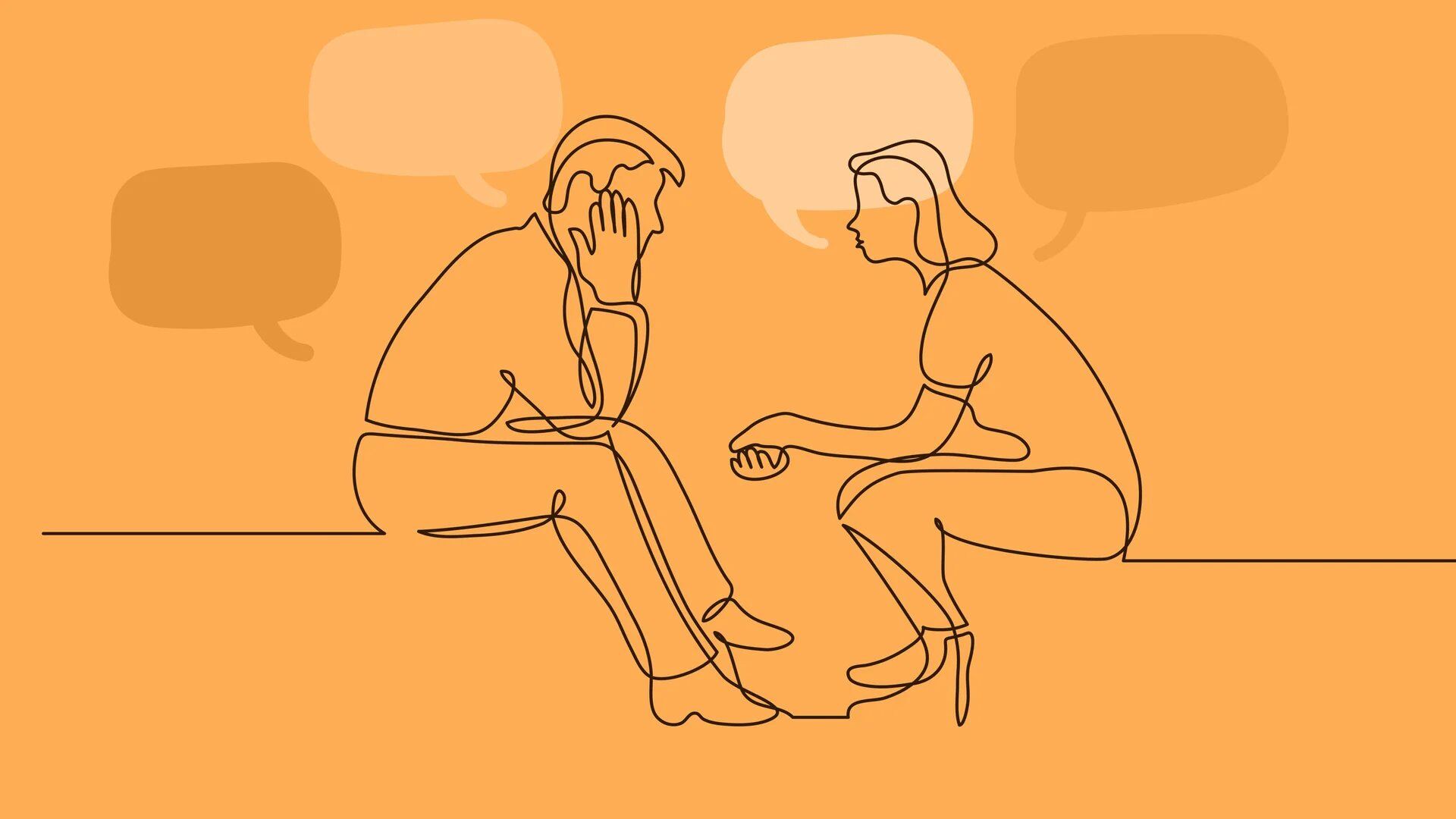
It can also lead to subtle communication breakdowns when employees respond to stress differently. Different cultural approaches to stress can easily lead to misunderstandings in teams, Dr. Halsall says.
“A person who openly talks about their worries may be perceived as overly emotional by colleagues who are accustomed to internalising stress. Conversely, those who remain quiet may appear disengaged or indifferent when they are actually processing internally.”
For organizations, recognizing these patterns is essential.
“Psychologically, both responses are normal coping strategies. The key for organisations is recognising that silence does not necessarily mean someone is coping well, and expression does not necessarily indicate a lack of resilience. Encouraging psychologically safe environments where people feel able to communicate concerns without judgment helps bridge these cultural differences.”
THE DIGITAL PRESSURE LOOP
Another factor shaping crisis responses is the constant stream of information arriving through smartphones and social media.
“Continuous exposure to alarming news activates the brain’s threat detection system, particularly the amygdala,” Dr. Halsall says.
“This triggers the release of stress hormones such as cortisol and adrenaline, placing the body into a heightened state of alertness. When people repeatedly check their phones late into the evening, the nervous system struggles to fully switch off, which can disrupt sleep quality.”
The consequences often appear the following morning.
“Poor sleep then affects cognitive functioning the next day, including concentration, emotional regulation, and decision-making. As a result, individuals may feel more fatigued, irritable, and mentally drained at work even if the external threat remains distant.”
THE RISE OF ‘BACKGROUND ANXIETY’
Over time, repeated exposure to geopolitical uncertainty can produce a subtler psychological effect, called ‘background anxiety.”
“This is a low-level but persistent sense of unease that sits in the background of daily life. Even when people continue functioning normally, part of the brain remains scanning for potential danger,” says Dr. Halsall.
Over time, this can subtly reduce attention span, patience, and tolerance for everyday frustrations.
“In professional environments, it may present as reduced focus, difficulty prioritizing tasks, or increased irritability in meetings. Importantly, these reactions are not signs of weakness but normal psychological responses to prolonged uncertainty.”
STRESS LOOKS DIFFERENT ACROSS CULTURES
Stress rarely manifests in a single way. Cultural frameworks strongly influence how stress is expressed in the body and behavior.
“Some individuals externalize stress through conversation, seeking reassurance or emotional support from others,” says Dr. Halsall. “Others internalize it, which may manifest physically through headaches, muscle tension, digestive issues, or fatigue.”
In certain professional cultures, stress is also channelled into increased productivity, where people cope by working harder and maintaining routine. “None of these responses is inherently right or wrong; they simply reflect learned coping styles shaped by cultural expectations, upbringing, and previous experiences,” adds Dr. Halsall.
THE LEGAL REALITIES OF GEOPOLITICAL TENSION AT WORK
Beyond the psychological dimension, geopolitical tensions can also create legal considerations for employers.
“Workplaces in the GCC, and particularly in the UAE, are highly international environments,” says Asma Siddiqui, Senior Associate, BSA Law.
“Employees from many nationalities and backgrounds often work together, even from politically opposed countries. Legally, employers have a responsibility to ensure that the workplace remains respectful, professional, and free from discrimination.”
The most effective approach, she says, is for employers to have clear policies that encourage respect and make it clear that hostility based on nationality, religion, or politics won’t be accepted. “Managers and HR teams should also be prepared to step in early if discussions become heated or personal.”
Authorities have also urged caution when discussing sensitive topics. Recently, Dubai Police circulated messages encouraging residents to rely on official sources and avoid spreading unverified information during periods of geopolitical tension.
WHEN DISAGREEMENT BECOMES HARASSMENT
While political disagreement alone is not illegal, it can cross legal boundaries if it targets an individual’s identity.
Under Federal Decree-Law No. 33 of 2021, discrimination based on race, nationality, religion, gender, or similar characteristics is prohibited.
“Harassment can take many forms. It may include verbal insults, offensive comments, threats, bullying, humiliation, or repeated behavior that creates a hostile or intimidating environment for another employee,” Siddiqui explains.
Employees experiencing such conduct can report it internally or through the Ministry of Human Resources and Emiratisation.
THE LEADERSHIP AND REPUTATIONAL RISK
For companies, the stakes extend beyond internal harmony. Perceived bias during global conflicts can quickly translate into reputational damage.
“Companies operating in multicultural environments like the UAE must be mindful that any perception of bias, whether in formal policies or informal workplace interactions, can pose significant reputational and operational risks,” says Mahesh Shahdadpuri, Group Chairman, TASC Outsourcing.
“Internally, biased behavior can erode trust, lower engagement, and lead to grievances. Externally, it can damage the company’s brand image and credibility in the market, especially in a region where multinational talent and clients are integral to business operations.”
Legal compliance is only one part of the equation.
“From a legal perspective, while the UAE has robust anti-discrimination regulations, companies should proactively ensure policies are clear, consistently applied, and perceived as fair to avoid potential compliance issues.”
ADDRESSING TENSIONS
Leaders often face a difficult question: should they acknowledge geopolitical events internally, or ignore them to avoid division?
Shahdadpuri argues that silence can backfire.
“Companies should address geopolitical tensions in a neutral and structured manner. Open and thoughtful communication that emphasizes empathy, support, and professional conduct helps employees feel acknowledged and reduces speculation or gossip.”
The key is maintaining neutrality.
“Discussions should focus on workplace norms, respect, and shared values, steering clear of political opinions so that teams remain cohesive and productive. Ignoring the topic can create uncertainty or leave employees feeling unsupported during stressful times.”
Recognizing stress signals across cultures requires training and awareness.
“Managers can be trained to observe changes in behaviour, engagement, or communication that may indicate stress,” Shahdadpuri says.
“Training should include awareness of cultural differences in how employees express concern or discomfort, guidance on encouraging open dialogue in a safe and respectful environment, and clarity on when to involve HR or employee support programs.”
Practical exercises can help leaders build confidence in sensitive situations.
“Scenario-based exercises and role-playing can help managers build confidence in recognising and addressing these situations effectively.”
NEW CHALLENGES IN DIGITAL WORKPLACES
The shift to hybrid and remote work has also created new compliance risks.
“Digital communication channels such as emails, chat apps, and video calls can make it easier for inappropriate or politically sensitive comments to go unnoticed,” Shahdadpuri says.
To manage this, organizations need stronger digital policies.
“Companies must ensure robust policies, clear reporting mechanisms, and digital awareness training while educating employees on expected standards of conduct. Regular reminders and clear escalation paths help mitigate these risks without creating a surveillance-heavy environment.”
WHERE STORYTELLING BUILDS UNDERSTANDING
In environments as culturally diverse as the UAE, understanding colleagues’ backgrounds can also come through storytelling.
“If there is any place that shows the power of storytelling in a multicultural environment, it is the UAE,” says Reim El Houni, Executive Producer and CEO of Ti22 Films.
“We live and work alongside more than 200 nationalities, and I saw that firsthand while producing a daily live TV show during Expo 2020 Dubai. We were covering, collaborating with, and learning from 191 nationalities while streaming globally. It was one of the clearest examples of how stories can shape perception in the best possible way.”
Stories reveal the human dimension behind identity.
“When people share their stories, you don’t just learn where they are from. You begin to understand their values, their lived experiences, and what matters to them. Storytelling helps move people beyond labels, assumptions, or surface-level differences and brings them closer to empathy and understanding.”
Data and headlines may dominate the news cycle, but human narratives often carry deeper emotional weight.
“Personal, human stories resonate more deeply because headlines and statistics can often feel far removed,” El Houni says.
“The moment you tell a human story, it becomes something people can picture, feel, and connect with. A statistic may inform you. A story can move you.”
Shared emotional experiences like loss, uncertainty, and resilience can cross cultural boundaries.
“When a story allows someone to see themselves in it, their perception shifts. That is why storytelling has such an impact, particularly during difficult times.”
In diverse workplaces, handling geopolitical stress isn’t just about productivity or policies. It’s also about recognizing that people see the same situation in many different ways— a global crisis enters the room in 200 different ways.