

- | 11:00 am
Oman and Dubai activate ‘Green Corridor’ to speed diverted cargo shipments
The measure aims to improve the flow of trade and reinforce supply chain resilience amid ongoing logistical challenges in the region.
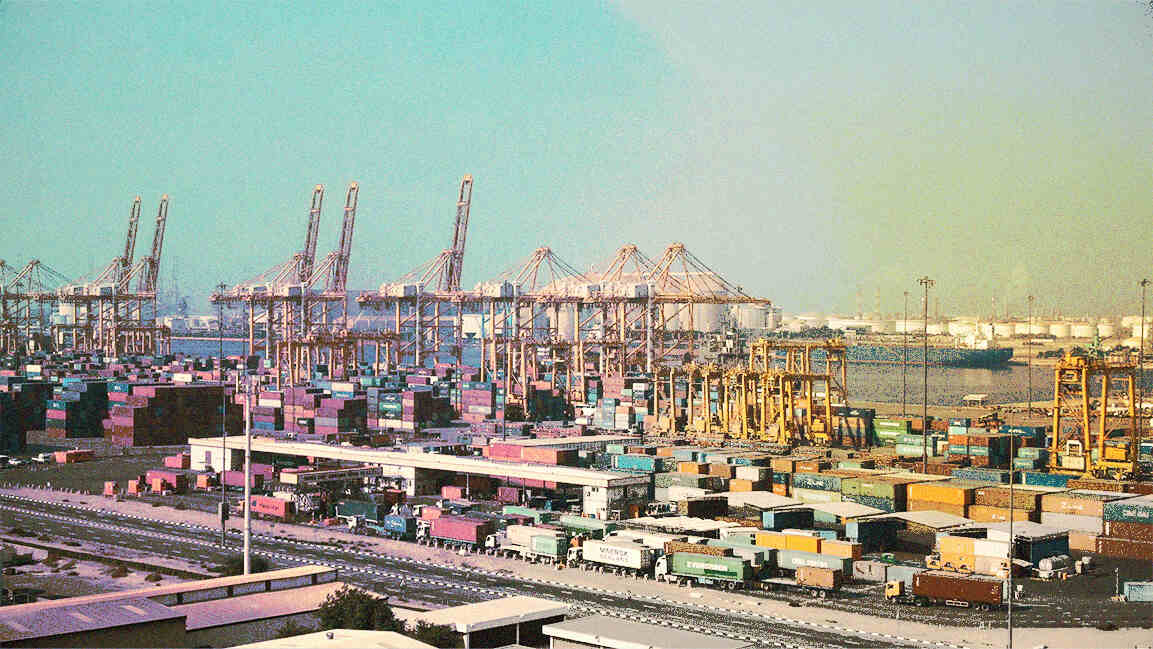


The Directorate General of Customs in the Sultanate of Oman and Dubai Customs have activated a temporary “green corridor” to facilitate the movement of diverted cargo shipments between Dubai and Omani ports via land routes. The measure aims to maintain trade flows and ease pressure on regional supply chains.
Announced on March 14 under Dubai Customs Notice No. 04/2026, the initiative reflects close coordination between the two customs authorities and is designed to ensure the efficient handling of shipments redirected to Omani ports under exceptional circumstances. The arrangement highlights ongoing operational cooperation between the UAE and Oman in safeguarding the continuity of regional trade.
Under the framework, containers originally destined for Jebel Ali Port but arriving at Omani ports can be transported to Dubai via bonded land routes after completing simplified customs procedures in Oman. The mechanism is designed to reduce delays and provide logistics operators with a streamlined channel for handling diverted cargo.
The temporary measure applies to most goods, except for specific items listed in an annex to the customs notice, and covers shipments arriving at Omani ports from global origins that were initially bound for Dubai but redirected due to exceptional disruptions to shipping routes and logistics operations.
Once cleared by Omani customs, the containers will be transported by bonded trucks directly to Jebel Ali Port, allowing cargo to continue its journey with minimal disruption while maintaining regulatory oversight and compliance. The arrangement also extends to certain air cargo shipments originally destined for Dubai airports but rerouted through Oman, which may also move onward through the corridor under simplified procedures.
Officials say the measure is intended to enhance trade fluidity and strengthen supply chain resilience during a period of logistical challenges in the region. Faster processing and coordinated customs procedures are expected to reduce bottlenecks and provide greater certainty for businesses and logistics providers.
The initiative also highlights the strategic role of Oman’s ports in supporting regional supply chains, particularly when maritime routes or port operations elsewhere face disruptions. In recent years, Omani ports have increasingly served as alternative gateways for cargo moving across the Gulf and the wider Middle East.
Industry observers say the corridor reflects deepening logistical integration between Oman and the UAE, supported by strong land connectivity and established trade ties that enable rapid responses to supply chain disruptions.
For shipping lines and logistics operators, it offers an efficient way to reroute cargo while maintaining access to major hubs such as Jebel Ali and reducing cross-border administrative procedures. Dubai Customs said the measure was introduced following intensive coordination with Omani authorities in recent days, highlighting the speed of its implementation.

Featured Videos
Today's Top Stories:
More Top Stories:




FROM OUR PARTNERS