

- | 11:00 am
Oman rolls out solar energy programme to cut farming costs and boost food security
Launched in collaboration with Nafath Renewable Energy and the Development Bank, the program aims to speed up the adoption of clean energy solutions.
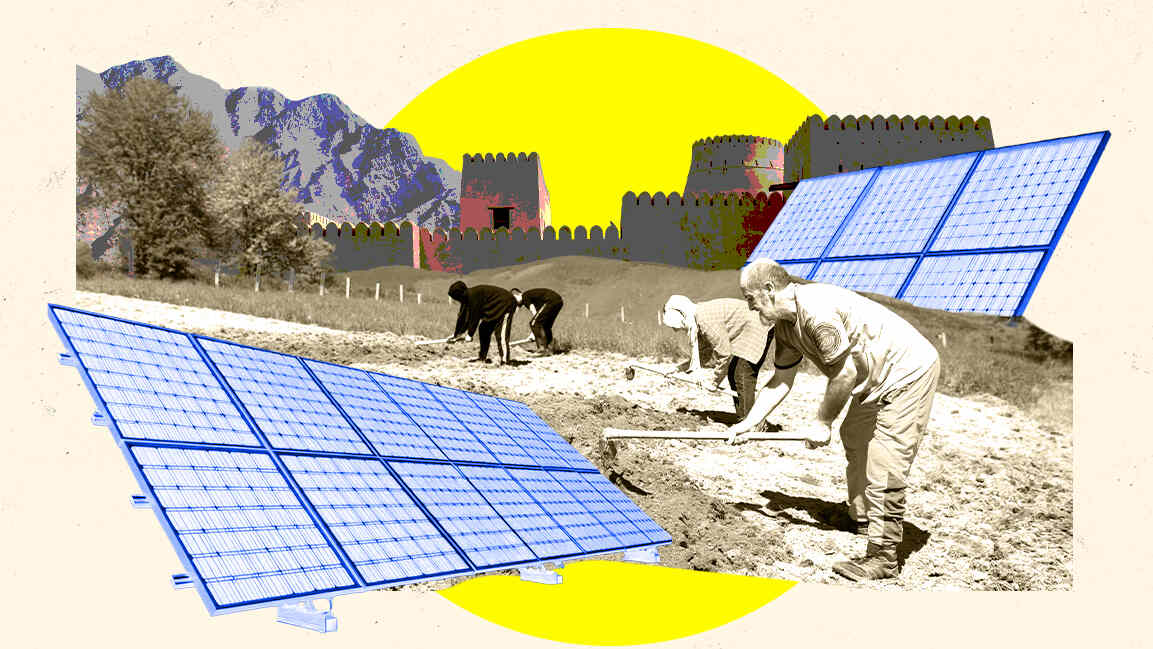


As countries across the region accelerate efforts to balance food security with environmental sustainability, Oman is stepping up initiatives to modernise its agricultural sector while reducing its carbon footprint. In line with these goals, the Ministry of Agriculture, Fisheries, and Water Resources has introduced a new programme aimed at integrating renewable energy into farming practices.
The initiative, titled ‘Solar Energy – Sustainable Harvest’, focuses on deploying solar power systems across agricultural projects in Oman. It is designed to ease the financial burden of rising electricity costs for farmers and investors while supporting national efforts to cut carbon emissions.
Launched in collaboration with Nafath Renewable Energy and the Development Bank, the programme aims to accelerate the adoption of clean energy solutions, particularly for farms that rely heavily on electricity to operate irrigation systems, greenhouses, and other essential activities.
Officials said the initiative reflects the government’s broader strategy to promote sustainability, expand the use of renewable energy, and strengthen the agricultural sector’s contribution to national food security.
Under the scheme, eligible farms can receive financing of up to RO15,000 to install solar systems. The package offers zero interest for full-time farmers and a reduced rate of 3% for part-time farmers. It also includes a grace period of up to 1 year, with repayment terms of up to 7 years.
Priority will be given to farms involved in producing key fruits and vegetables under the national food security programme, particularly those using greenhouses, advanced irrigation systems, or projects that directly enhance domestic food production.
The ministry outlined several requirements for applicants, including officially registered agricultural land, either owned or under a valid usufruct agreement, and an agricultural electricity meter. Applicants must also provide ownership documents and a land survey map.
Additional conditions include holding a valid agricultural certificate, membership in a relevant agricultural association, and access to at least 100 square metres of open, unshaded land for the installation of solar panels.
Officials noted that the initiative is expected to reduce operating costs, lower dependence on conventional energy, and encourage wider adoption of renewable technologies, while supporting Oman’s long-term environmental and climate objectives.

Featured Videos
Today's Top Stories:
More Top Stories:





FROM OUR PARTNERS