- | 9:00 am
Welcome to the anxiety economy: How it’s reshaping the way we cope, spend, and live
From wellness spending to daily habits, the ongoing geopolitical crisis is driving new behaviors centered on control, calm, and resilience.
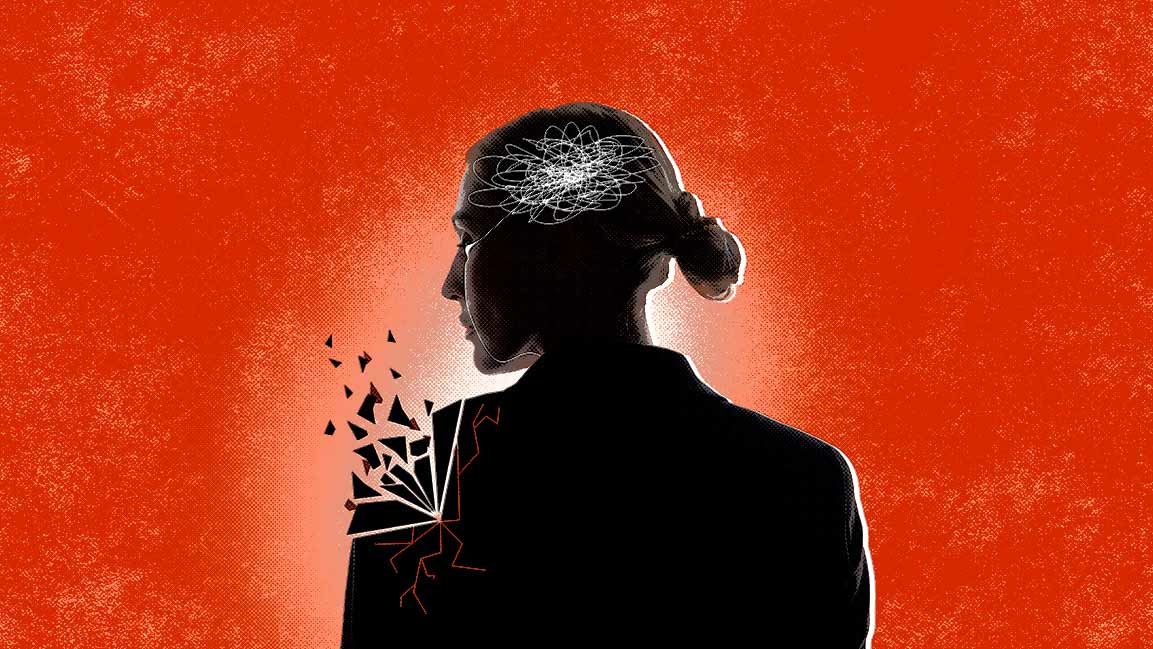


Picture waking up with your heart racing or going to bed feeling uneasy. About forty-five days ago, many people in the GCC started experiencing anxiety and fear in their daily lives. Some even compared it to the early days of the COVID-19 lockdowns.
Parents had to guide children through what it meant, while adults coped in their own ways. Dysregulated nervous systems led to increased stress, sleeplessness, fear, and uncertainty, and also drove people to seek peace. After all, in times of uncertainty, what’s more reassuring than hearing, “It will all be okay”?
But habits like doomscrolling and binge-watching only made stress harder to handle. People started looking for ways to calm themselves. This shift is part of the anxiety economy: a rise in unease, but also in how people spend, invest, and find comfort. From wellness treatments and anxiety teas to nature therapy, books, and community yoga, a new market of coping tools is growing, showing how people are trying to regain a sense of calm.
According to Dr. Richa Malhotra, Assistant Professor at the School of Health Sciences and Psychology at Canadian University Dubai, it is common to see an increase in anxiety levels during uncertainty. “What we are seeing is often a heightened sense of vigilance,” she says. “People may find themselves checking updates more frequently, remaining mentally ‘on alert,’ and carrying a subtle but persistent sense of unease. Over time, this sustained alertness can become mentally and emotionally draining.”
In addition to the constant barrage of news updates, there is a lack of know-how on how to regulate, given that it is a first time for many in such experiences. “We tend to be internally under-resourced for moments like the current situation, leaving little space for rest, reflection, or emotional processing,” says Asma Hilal Lootah, Founder of The Hundred Wellness Centre Dubai.
While anxiety may not be quantifiable, there are indicators available to guide us in understanding what people might be doing. “It’s hard to put a definitive label on what everyone is feeling, as people naturally react to crises or unpredictability in very individual ways. While we can’t pinpoint an increase in anxiety through data, the conversations happening across private and corporate spaces tell a deeper story,” says Pierre Carnet, Managing Director of MassiveMusic MENA.
“We’re living in a time where uncertainty isn’t episodic anymore; it’s become a constant. From climate anxiety and geopolitical instability to rapid technological change and constant digital exposure, people are rarely given the conditions to mentally and physiologically fully ‘land’ in the present moment,” says Sheena Khan, Head of Environmental Programs at Terra, Expo City Dubai.
Meanwhile, Dr. Bisi Laniyan, Clinical Psychologist and Adult Specialist at Sage Clinics, says there has been a “noticeable shift.” “Not necessarily a surge in entirely new presentations of anxiety, but a clear intensification of symptoms in people who were previously coping. Also, for those who have left countries of conflict and instability, this time has become particularly destabilizing,” Dr. Laniyan adds.
THE GAPS WE DIDN’T KNOW WE HAD
What does one do when an entire household is anxious? Lootah identifies a gap in psychological preparedness. “Stability and safety are bedrocks in our society, so there was little need to develop internal tools for managing uncertainty–because uncertainty itself felt distant. Now that unpredictability has entered our lives, even peripherally, it’s revealed how underdeveloped those coping mechanisms can be.”
The role of social media cannot be overstated.
“Social media and platforms offer a constant stream of updates, but very little guidance on how to metabolize them. The result is overexposure without processing; people are informed but not contained. This has highlighted a lack of boundaries around media consumption and a limited awareness of how deeply the nervous system absorbs what it sees and hears,” Lootah says.
Tanya Mansotra, Founder of Sohum, agrees, noting that the current anxiety has highlighted a fundamental imbalance in how we live.
“Modern lifestyles are highly stimulating but lack recovery, stillness, and connection to self. Many people are realizing they have never been taught how to slow down or regulate their inner state—and that gap becomes very visible during periods of uncertainty,” Mansotra says.
THE SOUND OF AN ALERT
Many people now feel anxious when they hear emergency alerts on their phones. Panic attacks, sleeplessness, and increased anxiety are affecting people of all ages. So what are some practical ways to calm yourself?
Dr. Laniyan says the first step is reframing the response. She explains that these reactions are not pathological–they are proportionate responses to a perceived threat. “The issue isn’t that the system is overreacting,” she says, “it’s that it isn’t getting enough signals of safety to settle.”
With triggers like emergency alerts, Dr. Laniyan says the body learns quickly, so people need to work both around and through the response.
She recommends several practical steps.
First, reduce unnecessary exposure: if alerts aren’t immediately relevant, consider adjusting notification settings or limiting news intake to specific times, as constant exposure keeps the system activated.
Second, ground the body, not just the mind. Simple practices like lengthening the exhale, placing feet firmly on the ground, or orienting to the room, “What can I see, hear, feel?”, signal safety more effectively than trying to “think your way out” of anxiety.
Third, she advises containing the spiral. Instead of getting pulled into every anxious thought, acknowledge it: “This is my mind trying to prepare me.” Then ground yourself with something concrete: “And I have a plan for X.” Dr. Laniyan emphasizes that this second step matters because it gives the brain a sense of structure and preparedness, which helps it settle. From there, she says, gently bring your attention back to the present moment.
Finally, she urges people to protect their sleep deliberately. Create a wind-down buffer before bed, and reduce exposure to alerts and news in the evening, especially in the bedroom. “Your bedroom, and particularly your bed, should be kept as a sacred space for rest,” she says. Try as much as possible to keep routines predictable, she adds, because sleep disruption is often the first casualty of uncertainty.
WHY WE CAN’T SETTLE
“We’re living in a time where uncertainty isn’t episodic anymore–it’s become constant,” Khan says.
From climate anxiety and geopolitical instability to rapid technological change and constant digital exposure, people are rarely given the conditions to fully “land” mentally and physically in the present moment, she notes.
One of the biggest drivers of restlessness, Khan says, is disconnection—both from natural rhythms and from environments that regulate us. “Our nervous systems evolved in close relationship with nature, where variability existed but within patterns we could understand: seasons, daylight cycles, ecological cues. Today, we’re navigating unpredictability without those grounding reference points.”
Through her work with nature therapy, Khan has noticed that restlessness is caused not only by external stress but also by a lack of spaces where the body can relax. “When people step into even small pockets of nature, their physiology begins to shift—heart rate slows, attention softens, and there’s a sense of being held within something larger and more stable than the immediate moment.”
THE MARKETPLACE OF CALM
In the anxiety economy, spending patterns are shifting. Dr. Malhotra confirms that this aligns with well-established behavioral patterns observed during periods of stress or uncertainty.
“People often gravitate toward activities or purchases that provide immediate emotional comfort, whether through wellness products, self-care routines, or small everyday indulgences,” says Dr. Malhotra.
She points out that these habits can help in the short term, especially when they give people a chance to pause and regain balance. But she warns that by themselves, they may not be enough for long-term coping. “If something provides temporary relief without strengthening one’s ability to manage stress over time, it remains a short-term solution rather than a resilience-building approach.”
Mansotra has seen a clear shift toward treatments that calm the nervous system. Therapies that bring the body into a deeply relaxed, regulated state have become increasingly relevant. She also notes a growing awareness around preventative care. “Clients are no longer waiting to feel overwhelmed before prioritizing their wellbeing.”
Carnet notes that while we can’t measure anxiety with data, he says, “the conversations happening across private and corporate spaces tell a deeper story.” He has noticed a greater focus on mutual support, stress management, and community, suggesting that many people are seeking comfort and becoming more mindful. For those whose jobs or loved ones are affected, he adds, the stress is very real and personal.
“There is no right or wrong way to feel,” he says, “just a shared need to look out for one another.” Carnet has seen a huge amount of mutual support in recent weeks. Businesses and individuals are offering mental and physical health resources, and many people are taking part. Discounted or free stress management sessions, educational materials for talking with colleagues and family, and relaxing content for therapy have all been popular. “It has been a joy seeing people giving up their time and knowledge for the good of those around them,” he says.
He adds that recent events, such as the COVID-19 lockdowns and other conflicts, have heightened awareness of the need for self-care and wellness.
Dr. Laniyan agrees that spending on ways to regulate the nervous system is likely to rise, and it’s already happening. “Periods of sustained uncertainty tend to increase both awareness and willingness to engage with mental health support.” However, she cautions against “quick fixes.” Anxiety in this context, she says, isn’t something that can be solved through a single intervention or product. “The more meaningful shift I’m seeing is towards integrated support: people recognizing that their wellbeing is influenced by multiple factors—sleep, workload, relationships, physical health—and seeking more structured, evidence-based ways to manage that.”
COPING THAT ACTUALLY WORKS
Not all coping methods work the same way. Dr. Laniyan points out an important difference: “Activities like movement, structured relaxation, or mindfulness tend to be regulating—they help the system process and discharge stress. They also create a sense of agency, which is often diminished during uncertainty.”
On the other hand, habits like binge-watching or emotional eating usually numb or avoid feelings. “They can provide short-term relief, which is why people gravitate towards them, but they don’t reduce the underlying activation.” She is careful not to demonize these behaviors entirely. “Watching something light or seeking comfort in food can be part of coping. The issue is when they become the primary strategy.” She suggests asking yourself a simple question to gauge any coping strategy: “Do I feel more settled, or just temporarily distracted?”
Lootah says that focusing on wellness is key when dealing with anxiety because it helps the nervous system instead of keeping it in overdrive.
“Anxiety is both mental and physical,” she says, “so factors like sleep, nutrition, movement, and time outdoors directly affect how we cope.”
Keeping routines steady helps the brain feel safer during uncertain times. Wellness habits also help shift focus away from worries and toward the present, reducing overthinking.
“The goal isn’t to eliminate anxiety but to build resilience—so it feels more manageable. In this way, wellness isn’t optional; it’s the foundation that allows us to regulate and recover.”
Lootah has seen more people looking for mental health support and ways to reduce stress. “It’s not only fear driving this—it’s the loss of a sense of predictability,” she says. “Many residents in the UAE are accustomed to feeling stable and safe. When conflict seems closer than expected, the nervous system quickly shifts into overdrive: heightened vigilance, disrupted sleep, and a persistent feeling that something might go wrong. Layer in constant alerts, graphic images, airspace interruptions, and the spread of rumors, and it creates a widespread stress response—even among those who are typically resilient and high-functioning.”
For long-term solutions, Lootah advises starting with the body.
“In the early stages, the most effective step is to regulate the nervous system rather than trying to think your way out of anxiety.” She recommends slow, controlled breathing—particularly focusing on a longer exhale, such as breathing in for four seconds and out for six.
“Extending the exhale activates the parasympathetic nervous system, signaling to the body that it is safe.” She also suggests reconnecting with the body through movement, such as walking or stretching, noting that Pilates is particularly effective for grounding when feeling stressed or anxious.
Limiting exposure to news cycles is also essential: “The nervous system settles more quickly when attention shifts away from constant threat monitoring and back to the physical environment.”
Mansotra says true well-being is “not surface-level relaxation.” It is about “regulating the nervous system and creating internal stability.” She emphasizes that there is no quick solution. “Long-term wellbeing comes from consistency and conscious living. It is about building daily practices that support balance, whether through routine, movement, or therapeutic treatments.”
THE SOUNDTRACK OF HEALING
As a music industry professional, Carnet recommends music as a way to calm down. Research shows that music can boost mood, lower stress, and help with depression and anxiety. He suggests a few options: take time to listen to music you enjoy, which can make you feel happier; try therapeutic or relaxing music with mindfulness exercises; and make sure to balance music with quiet time. “Constant noise will dull the mind,” he warns, “so balance is key for success.”
TURNING THE PAGE TO PRESCRIPTION
Several grounding techniques can provide solace in times of anxiety. Many find reading to be a bulwark in a time when thoughts seem to spiral. So is reading making a comeback? According to Purva Grover, a Dubai-based author and founder of The Reading Village, the healing properties of reading a book could never be more relevant. “There’s something uncannily beautiful about a book in hand,” she says. “If you leave it, reading just one page before the character dies, you can keep an individual alive forever.” Some may call it escapism, she acknowledges, but many find peace and calm in stories.
Grover says that during a crisis, people often feel pressure to stay physically active. “But what about nourishing our minds, souls, and hearts, which bear the anxiety of missing a heartbeat when the phone buzzes with an emergency alert?” She suggests picking up a book to calm and strengthen the mind. Research shows that reading for just 6 minutes can lower stress by up to 68%.
“Reading nourishes in a way that is almost invisible at first,” Grover says.
“It starts with your breathing steadying, followed by your eyes chasing words on a piece of paper rather than a restless flick, ping, or ding on your phone. This, by itself, is enough of a signal for the brain to absorb, not react. In a few minutes, the nervous system softens, the pulse lowers, and the mind is given something textured to hold.” Where scrolling and binge-watching leave us overstimulated, she says, “a story leaves residue.”
Grover notes that her literary society, The Reading Village, was born out of the need to connect in a busy world. Even in these times, more members have joined, and they are safely meeting indoors. “The overall sentiment is that ‘I want to get back to reading because the hustle and crisis is overwhelming,'” she says.
THE ART OF STILLNESS
If we are to emerge stronger, coping is essential. Khan believes there is a need for more education on this topic, though she would frame it less as “managing anxiety” and more as relearning how to regulate ourselves. She is careful to note that anxiety is a clinical condition, and for many people, professional support is essential and should always be taken seriously. What she describes is complementary: how we build everyday practices that support our baseline wellbeing.
“Humans are very cognitively sophisticated—we can analyze problems endlessly–but are far less practiced at regulating our internal states,” Khan says. “And regulation isn’t something we can think our way into; it’s something we experience through the body.”
This is where nature therapy becomes incredibly powerful, Khan says. A growing body of evidence shows that even short, frequent exposure to nature can reduce stress, improve mood, and restore attention. She references Tim Beatley’s “Nature Pyramid,” which suggests that well-being doesn’t come from occasional, dramatic escapes into nature, but from small, regular interactions—daily, even momentary—embedded into our lives. “It’s not about a once-a-year retreat,” she says. “It’s about noticing a birdsong on your walk, looking at a neighborhood tree swaying in the wind, or feeling the sun for a few minutes each day.” Research even suggests that brief, repeated exposures—as little as ten minutes—can be more beneficial than infrequent, longer ones.
At Terra, Khan has been exploring this through an event series called “The Art of Stillness,” which brings together a community of practitioners across mindfulness, movement, and wellbeing, all grounded in nature therapy. For her, stillness isn’t about doing nothing–it’s about creating the conditions where people can reconnect with themselves and with one another through nature. Each session uses simple, sensory practices–guided attention in the garden, slow walking, breathwork, or sound–to help participants shift out of constant mental activity and into a more embodied state.
“What’s powerful is that nature does a lot of the work for you,” she says. “You’re not trying to force stillness; you’re stepping into an environment that naturally slows you down. Over time, people begin to notice a change–not just a moment of calm, but a deeper sense of perspective and resilience.” The “art” of stillness, she concludes, is really about relearning how to be in relationship—with your surroundings, your body, and the present moment. “And in uncertain times, that becomes a very practical way of finding peace–not by escaping reality, but by meeting it with more clarity and steadiness.”
She points out that mindfulness is different for everyone. “My colleague who spends her time birdwatching or my friend who is a long-distance runner–they all practice mindfulness in their own ways.” She says that when you learn to regulate your own nervous system, you also start to act differently in the world: you become more patient, more open, and better able to handle differences without reacting right away.
She mentions Professor Miles Richardson’s research on nature connectedness, which shows that it’s not just about spending time in nature, but about how we relate to it—emotionally, through our senses, and with meaning and compassion. “Nature connectedness is essentially about recognizing that we are part of a wider living system, not separate from it. When people begin to experience that—through simple practices like noticing, listening, or feeling part of a landscape—it often extends beyond nature. That same sense of connection can translate into how we relate to other people: a greater appreciation for diversity, a softer stance, a broader perspective.”
THE WORKPLACE AS A STABILIZER
Routines are underrated when it comes to managing stress. With many returning to work while the crisis is still ongoing, Dr. Laniyan says workplaces can play a critical stabilizing role. “They offer structure and routine, but also something equally important: a place to direct attention toward what is within your control. That shift alone gives the system brief periods of relief from constant threat-monitoring.”
She recommends three key strategies. First, predictability and communication. “Uncertainty amplifies anxiety, so clear and consistent communication from leadership is essential. Even if there are no new updates, saying so is helpful. In the absence of information, people tend to fill the gaps with speculation, which often escalates concern.”
Second, managing expectations. “Employees need implicit permission not to be at their usual level of performance.” This may involve flexible timelines, acknowledging reduced concentration, and helping teams prioritize effectively. “Being realistic, rather than pushing for business-as-usual, reduces pressure and prevents escalation.”
Third, creating space for regulation. Small, practical adjustments can make a meaningful difference: brief check-ins at the start of meetings, encouraging short breaks, or providing quiet spaces where employees can step away and reset. “These micro-interventions help interrupt rising stress before it builds.”
Dr. Laniyan also cautions against over-pathologizing. “Not every emotional response requires a formal intervention. Often, what is most regulating is feeling informed, supported, and not alone in the experience.”
THE TRAP OF ISOLATION
In times of crisis, people often cut back on personal spending and prefer to stay home. But Dr. Laniyan explains why isolation is not the best remedy. “Isolation can feel protective in the short term—it reduces exposure to potential threats and gives a sense of control. But psychologically, it tends to maintain and amplify anxiety over time.”
When we withdraw, she says, two things happen. First, the mind has more space to ruminate. Without external input or distraction, thoughts can become more repetitive and extreme. Second, we lose access to one of the most powerful regulators we have: social connection. “As humans, we are inherently relational, so being around others is important, even in simple, low-demand ways. This provides cues of safety that the brain cannot generate in isolation.”
She emphasizes that this doesn’t mean constant socializing, but rather maintaining some level of contact and engagement. “Avoidance teaches the brain that the world is unsafe, which increases sensitivity over time. Gradual, intentional engagement—stepping out, seeing people, maintaining routines—helps recalibrate that perception.”
Mansotra echoes the importance of community in times of uncertainty. “When individuals come together in the right environment, it creates a sense of collective ease, which is incredibly powerful in stabilizing the mind.”
RESILIENCE, NOT ELIMINATION
All agree that the goal isn’t to get rid of anxiety completely, but to manage it so people can keep functioning well.
Dr. Malhotra shares some practical tips for staying calm and resilient: be careful about how much news you take in—stay informed but don’t get overwhelmed; focus on what you can control, like keeping routines and daily tasks manageable; stay connected with others, since social support is especially important in close communities; talk about your worries with someone you trust, as sharing can make things feel easier; seek professional help if anxiety lasts or feels too hard to handle alone; and try simple activities like movement, breathing, and keeping a steady daily rhythm to help manage stress.
“Ultimately,” she says, “resilience in times of uncertainty is not about feeling calm at all times—it is about maintaining clarity, perspective, and the ability to move forward, even when circumstances feel unsettled.”