
- | 9:00 am
Crisis on crisis: Are we putting the future off?
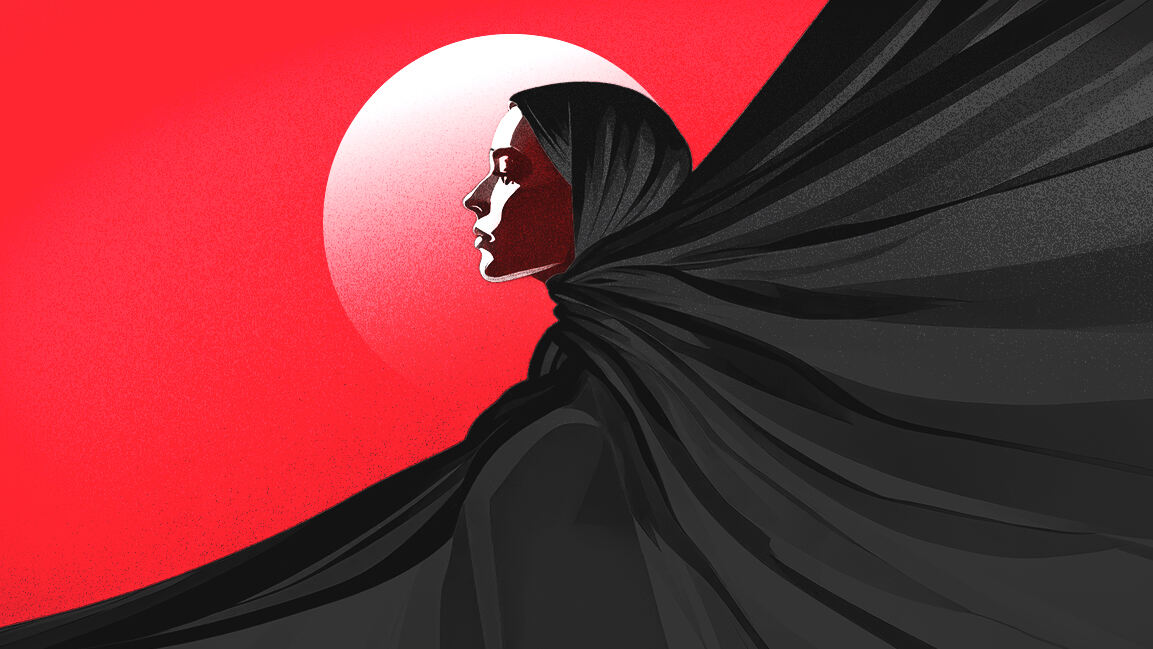
Overlapping crises cause a lot of stress and anxiety, even for people living in safe areas or with steady jobs and lives
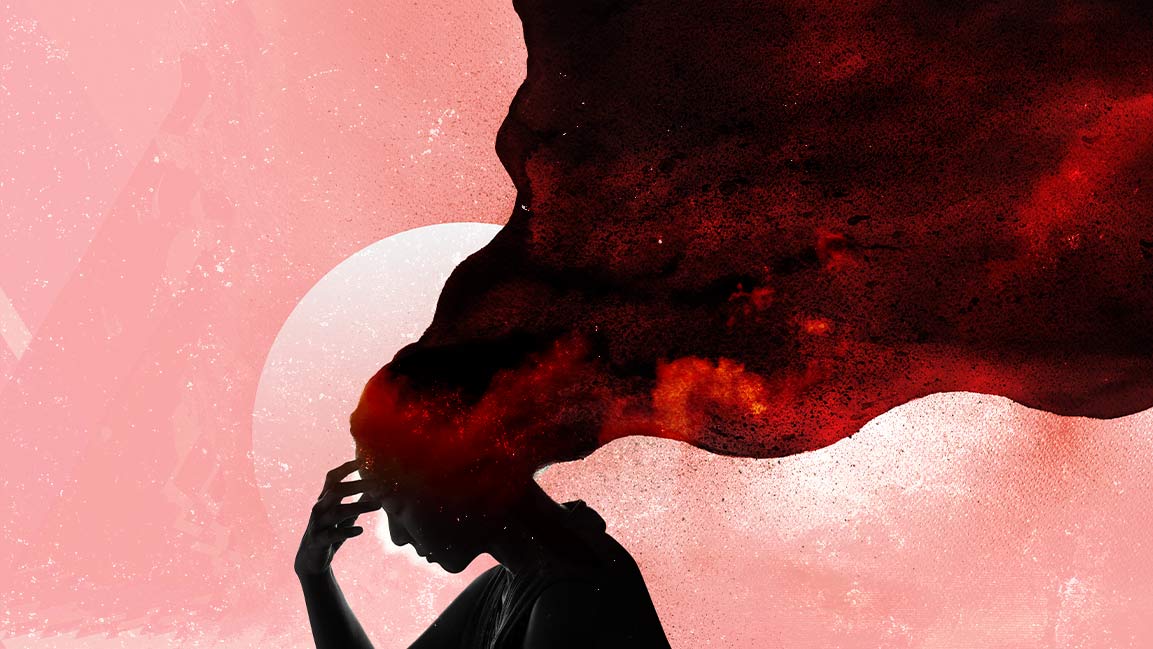


It can feel like we’re always moving from one crisis to the next. People are losing jobs or struggling to find work, and some college students are switching majors because they worry about how AI will affect the job market. Many businesses are also facing tough times. Rising living costs, social isolation, and extreme weather make things even harder. On top of all this, regional geopolitical tensions are adding to the stress and hardship.
All these crises are happening simultaneously, and because they interact, their effects pile up. All of this not only heightens anxiety but also causes an inability to stay focused on work and overall well-being.
When everything feels uncertain, it’s hard for many people to be productive, let alone commit to long-term projects or plan for the future.
Experts say that people naturally become more cautious, both at work and in their personal lives. The lack of predictability creates more doubt about the future, which blocks our ability to imagine ourselves in it.
This uncertainty has a direct impact on focus, engagement, and, in some cases, even on the willingness to make career moves, says Tiago Costa, CEO of Parisima Talent (a Dulsco Group company) and a clinical psychologist. “From a talent market perspective, we are seeing more hesitation in candidate decision-making and a notable uptick in what we would call ‘wait-and-see’ behavior with candidates holding off on accepting offers or making transitions until they have a stronger read on the landscape.”
BORROWED FEAR AND SHARED TRAUMA
These overlapping crises cause a lot of stress and anxiety, even for people living in safe areas or with steady jobs and lives, as they feel overwhelmed and overstimulated by the constant stream of bad news.
“The nervous system responds not only to real, immediate danger but also to the perception of threat,” says Rita Figueiredo, Managing Director at Peninsula Psychology Clinic in Dubai. “Continuous exposure to distressing news, images, and conversations can keep people in a state of vigilance, even when they are physically safe.”
“Indirect exposure alone can lead to sleep disruption, irritability, helplessness, and what we sometimes call ‘borrowed fear,’ particularly in those already sensitive to uncertainty, “ adds Figueiredo.
For many, the most serious threat is not physical harm, but economic instability, says Amira Zidan, a Dubai-based holistic health coach.
People are facing rising anxiety linked to job insecurity, layoffs, supply chain disruptions, and rising prices. “Work is often the foundation of stability, identity, and future planning. When that feels uncertain, it creates chronic stress, leaving individuals feeling powerless, hyper-alert, and emotionally drained,” adds Zidan.
Physically, our brains are wired to respond to perceived danger, and they cannot easily distinguish between a war playing out on a screen and one happening on our street, says Amarylis Harris, psychologist and founder of Compassionate Minds Clinic for Psychological and Behavioral Therapy. Mentally, absorbing a constant stream of others’ suffering takes a toll, one that is often invisible because it carries no obvious wound. Socially, when the shared sense of safety that holds communities together begins to erode, individual anxiety fills the gap. “This is not fragility or overreaction. It is what happens when the mind, body, and social world are all under pressure simultaneously.”
According to Figueiredo, war can leave long-lasting social after effects, like mistrust, fear, grief, and moral injury. “Research also shows that trauma can be socially transmitted through family narratives, silence, collective memory, and media exposure, so entire communities can carry its mark long after the violence ends.”
Economic instability is a major pathway through which this trauma spreads, says Zidan. Beyond direct violence, including the loss of life, destruction, and human suffering, wars disrupt global markets, employment, and financial systems. “This creates a shared psychological strain; people across the world begin to fear losing their livelihoods and income resources. Over time, this collective anxiety forms a kind of global trauma, where uncertainty about survival and work becomes a common emotional experience.”
UNCERTAIN FUTURE
Some question whether the current geopolitical crisis will really change how residents see their future in the region. Costa points out that the UAE has a strong history of stability and protecting its people. While the situation is different, there are some similarities to how the country responded during the pandemic.
Costa says that despite the regional tensions, many expats here have expressed a sense of security rooted in trust of the leadership and institutions. “That trust is an asset that doesn’t dissolve overnight. Will it be for 100% of the people, naturally not, but again, we need to weigh in personal circumstances, and not one size fits all kinds of approaches.”
However, what is changing is how professionals think about moving to the Middle East for work. “Before the conflict, the region’s value proposition was almost self-evident, with several benefits such as tax-free income, lifestyle, opportunity, growth of the region, and development. That’s not gone, but for the first time in years, people are adding a geopolitical risk weighting to that equation.”
He adds that people who have been here during previous periods of regional tension tend to stay because they understand that the region, and especially the UAE, operates on a different footing.
“The real battleground for the region’s talent pool is the first-time mover comparing Dubai with Singapore, London, or Amsterdam. That’s where the fading impact will be felt, and why the business community here must focus on creating stability, credibility, and consistency,” adds Costa.
During times of crisis, uncertainty grows because we can’t know all the factors that might affect what happens next. This makes it much harder to predict the future or feel confident about what’s coming.
One of psychology’s core insights is that anxiety rises when the brain cannot predict what comes next, says Figueiredo. “Conflict tends to create fear of harm, and also destroys basic assumptions that the world is stable, understandable, and manageable. That loss of predictability can be profoundly destabilizing because humans regulate themselves partly through a felt sense of order, continuity, and agency.”
What connects so much of this suffering, says Harris, is the loss of something we rarely notice until it is gone. “The quiet background belief that tomorrow will broadly resemble today, and that our choices matter. When that sense of predictability collapses, whether through war, financial crisis, or political instability, the effects ripple through our experience,” adds Harris.
Zidan adds that many people build their sense of safety around stable careers and financial progression. When crises threaten jobs or income streams, they challenge the belief that effort leads to security. “This loss of predictability can feel like losing control over one’s life direction, triggering deep anxiety about providing for oneself or family, and shaking confidence in long-term plans and personal identity.”
HOW TO GET THE FUTURE BACK
Planning for the future can be tough when we feel unsure about what’s ahead, but experts say it’s important to manage anxiety by regaining a sense of control. Try to limit how often you check upsetting news, especially before bed. Stick to daily routines, stay active, connect with others, and focus on what you can control right now.
It’s also important to stay flexible with your plans and be kind to yourself. When uncertainty comes from many directions, it can make us regret past decisions. If something isn’t working or unexpected events change your plans, it’s okay to adjust. If you feel overwhelmed by what might happen, try to focus on what is most likely to happen. This can help you remember your future goals and plan accordingly.
While all this is a shared experience, Zidan says, it is important to remember that no two people respond to stress in the same way. “Our past experiences, personal histories, and resilience all shape how we perceive and cope with uncertainty. There is no ‘right’ way to feel. What matters is recognizing when support is needed, whether through community, coaching, or therapy, and allowing ourselves access to the growing resources available to navigate these times with greater stability and care.”