- | 10:00 am
Why Spotify is betting on intentional listening over endless scrolling
Inside the changing relationship between users and digital platforms, and why attention is becoming more selective, conscious, and value-driven


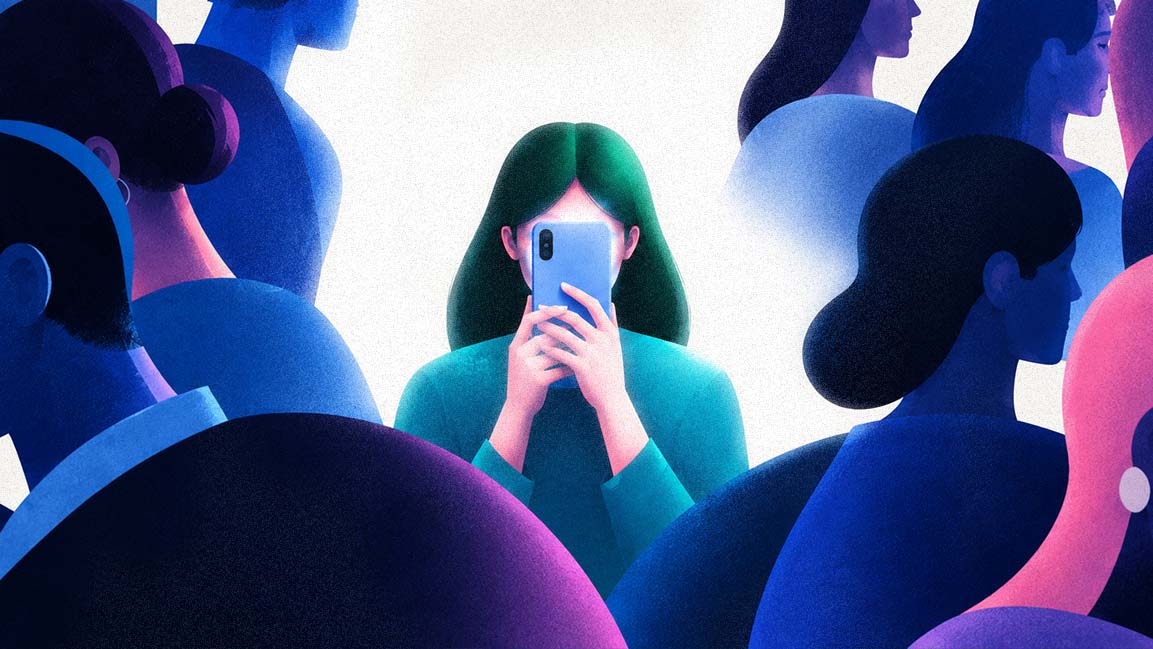
You open the app for a quick check. Forty-five minutes later, you’re still there, and you can’t name a single thing you got out of it.
That’s doomscrolling’s core deception. It mimics productivity. It feels like staying informed. But the residue it leaves is more like fog. The platforms built on that fog are now facing a reckoning, and Spotify is making an early bet on which side of it to land on.
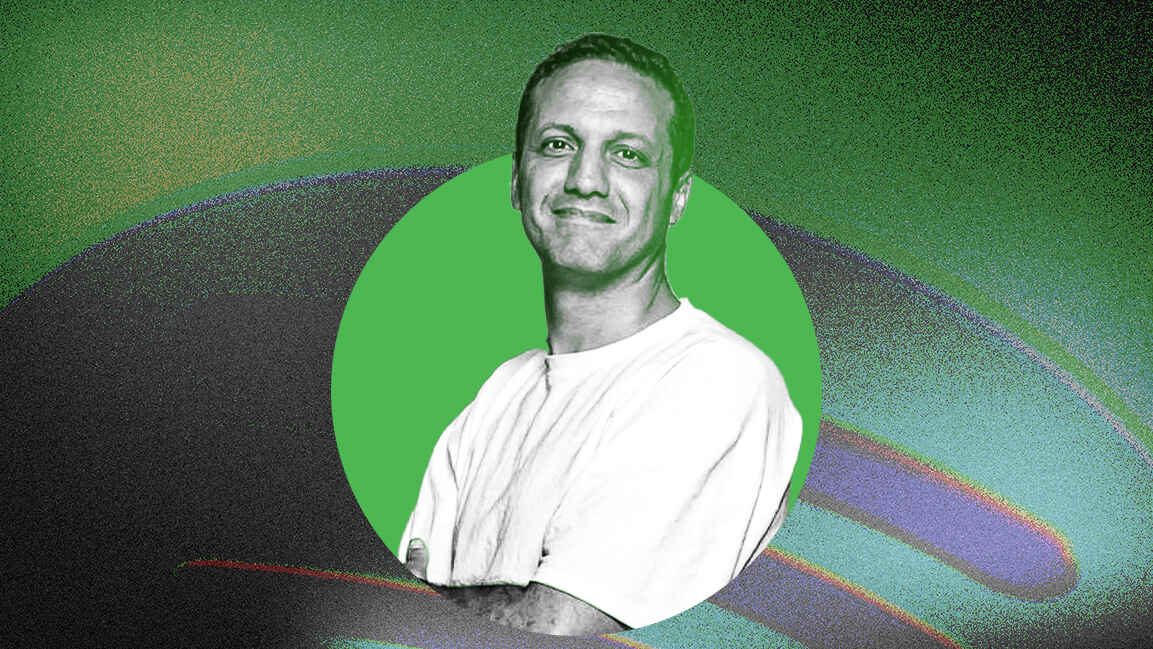
That tipping point, when staying informed starts to feel less like a choice and more like a drift, is something Marwen Ben Messaoud, Growth Director at SAMEA at Spotify, sees clearly. “Doomscrolling often starts with good intentions, but it turns harmful when time stops feeling chosen and starts feeling lost,” he says.
What begins as checking in or filling a spare moment can quickly lose its sense of purpose. “If someone comes away unable to say what they got from it, whether that is a lift in mood, a sense of reset, or something meaningful they learned, the time starts to feel empty rather than worthwhile.”
A NEW MEASURE OF VALUE
If doomscrolling blurs intention, it also reshapes something deeper: the idea that more information equals more control.
For a long time, that felt like a given. More updates, more context, more awareness. But that assumption is starting to crack. “When content is constant, fragmented, and hard to step away from, it can have the opposite effect,” says Messaoud. “Instead of feeling informed, people start to feel overloaded.”
What matters more now is choice. Not just access to more content, but the ability to decide what fits your mood, your moment, or what you need that day. “People can return to something familiar, pick up where they left off, put on a nostalgic playlist, or choose something that matches how they feel,” he says. “That makes the experience feel more personal and on their terms.”
The data backs that shift. In Saudi Arabia, 95% of users say control over their listening experience is important, with a strong emphasis on feeling understood. And more broadly, across 17 markets, including Saudi Arabia, over 9 in 10 users say they turn to Spotify to reduce stress, while more than two-thirds say it leaves them feeling more energized. Increasingly, the question is not just whether something holds attention, but whether it feels worth it.
WHAT MAKES IT FEEL COMPLETE
If control is one part of the shift, the other is what an experience actually gives back.
For Messaoud, the difference is simple. “For us, it comes down to whether the time spent gives you something back and leaves you satisfied, rather than endlessly pulled forward. There is a big difference between something that fills time and something that changes the quality of it.”
That distinction is clear in the data. In Saudi Arabia, 56% of users return to Spotify for the comfort of familiar music. In comparison, 94% rely on it to discover new music and artists, 96% say the same for podcast hosts, and 93% say it helps them discover what is trending. “That is what makes an experience feel complete. It meets people where they are, and still gives them something new.”
It also shapes how people are choosing to engage. Messaoud says users are increasingly moving toward more bounded, time-defined experiences. “Maybe not always in a fully conscious way, but people are getting better at recognizing the difference between something that fits into their day and something that starts to take it over.”
What seems to matter now is not just convenience, but purpose. People are drawn to experiences that slot into real life and actually do something for them, whether that is helping them learn something new, focus, or reset for a bit.
That behavior is already embedded in daily routines. In Saudi Arabia, 94% of users say Spotify is essential to their daily routine, and 57% say they listen in the car every day. It is not something people turn to occasionally. It is woven into the day in a way that feels natural.
And that is where audio stands apart. The power of audio is that it can stay with you without taking over.
That matters because stress is not always something people manage by stepping away from everything. Often, people are looking for something that can sit alongside their day and shift the tone of a moment without taking it over. That is very different from experiences that are open-ended by design and leave people feeling like time has simply disappeared.
What also comes through in the research is a sense of grounding. In Saudi Arabia, 98% of users say Spotify helps them feel connected to their favorite artists and creators. People are not only looking to switch off. They are looking for something that helps them feel better, feel closer, and feel that their time has given something back.
RETHINKING WHAT FEELS WORTH IT
If “time well spent” is becoming the new standard, the definition itself is shifting.
People are no longer measuring digital experiences by efficiency in the traditional sense, but by how they leave them feeling, whether something felt worth the time it took. People are becoming more selective with their attention, but also more honest about what actually adds value.
According to Messaoud, that shift is already visible in behavior. “People are defining it more by how it leaves them feeling. It is less about efficiency in the traditional sense and more about whether something felt worth the time it took. People are becoming more selective with their attention, but also more honest about what actually adds value.”
That change also reframes the role platforms play. “I do not think it is really a question of holding attention versus making room to disengage. The more important question is what the experience is giving back while it has someone’s attention.”
And users are noticing the difference. “Users are more discerning than they used to be. They can tell when a platform respects their time and when it is simply trying to keep them there longer.” He adds that innovation is key here. “And if you look at that through a product lens, it means innovation has to be purposeful. Our study makes that clear. In Saudi Arabia, 95% of users say new features inspire them to engage more creatively. That tells us people respond to innovation when it gives them something useful, expressive, or enriching in return.”
Seen through that lens, the broader shift feels less like resistance to content and more like recalibration. “I would see it less as a backlash and more as a reset. People are not walking away from content altogether. They are just becoming more aware of what feels like time well spent and what does not.”
That shift is already happening. The platforms that see it early and build for it will start to separate from the rest. Spotify is moving on it. Everyone else is still figuring it out.