
- | 1:00 pm
Make it in the Emirates 2026 signals the UAE’s shift into an industrial growth era
This year’s forum signaled the UAE’s shift from economic diversification toward building a globally competitive, technology-driven industrial ecosystem.


At Make it in the Emirates 2026, held at ADNEC Center Abu Dhabi, the UAE outlined its latest industrial policy direction, focused on advanced manufacturing, AI-driven production, localized supply chains, and supply chain resilience.
Now in its largest edition to date, the four-day event brought together more than 1,200 exhibitors, along with policymakers, investors, manufacturers, and technology leaders. Participation spanned sectors including energy, pharmaceuticals, food production, robotics, logistics, metals, and autonomous systems. Organizers said the summit is expected to generate more than $45.7 billion in offtake agreements, reflecting the level of procurement and industrial demand linked to the event.
The discussions and announcements pointed to an ongoing shift in the UAE’s economic strategy. Alongside diversification efforts, there is increasing emphasis on developing domestic manufacturing capacity and strengthening the industrial base through technology adoption and supply chain development.
Leadership signals industry’s strategic importance
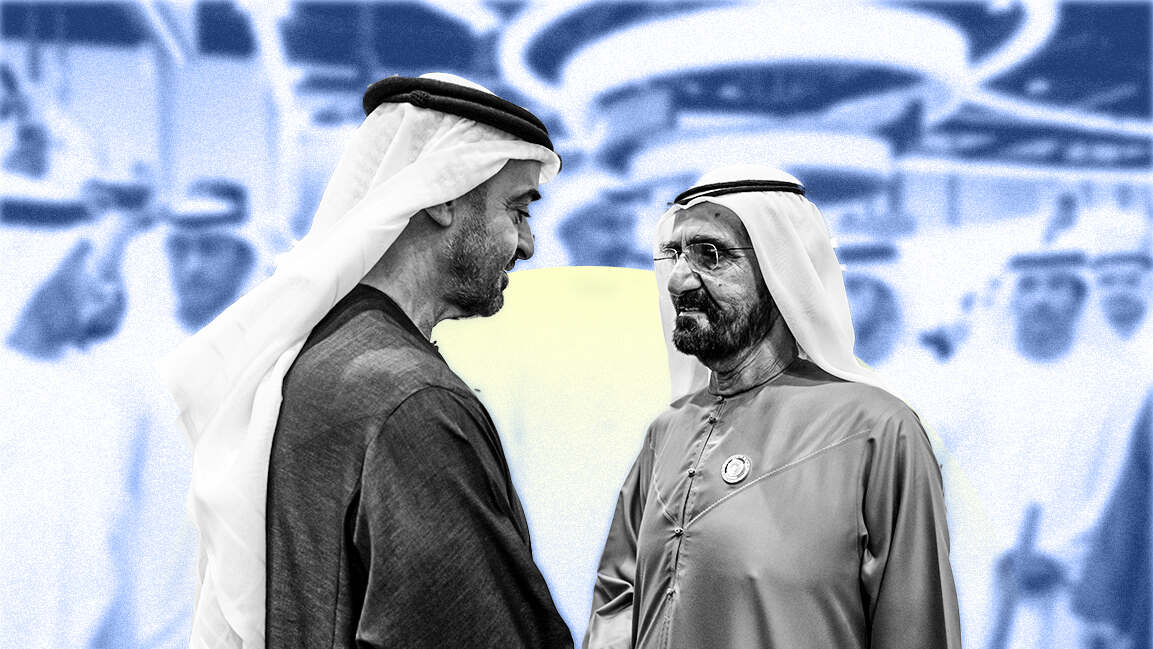
During a visit to the summit, Sheikh Mohamed bin Zayed Al Nahyan met Sheikh Mohammed bin Rashid Al Maktoum and reviewed the latest innovations, products, and initiatives aimed at enhancing the competitiveness and readiness of national industries across a range of vital sectors.
Sheikh Mohamed emphasized that the industrial sector remains a key pillar in strengthening and diversifying the national economy, while Sheikh Mohammed said the UAE “does not wait for the future but shapes it through the ideas and efforts of its people and ambitious institutions.”
Those remarks framed many of the event’s biggest announcements and reinforced the leadership’s focus on industrial competitiveness as a long-term national priority.
Localization moves from ambition to execution
One of the most significant announcements was the launch of the UAE’s new “Purchase Opportunities” initiative, a localization framework designed to identify around 5,000 products that can be manufactured domestically rather than imported.
The program aims to give manufacturers clearer visibility into procurement demand, helping reduce investment risk while accelerating local production capacity.
The initiative signals a more assertive phase of UAE industrial policy. Rather than relying solely on incentives to attract manufacturers, the government is increasingly using procurement pipelines and guaranteed demand to encourage companies to establish production inside the country.
The summit also reinforced the growing importance of the National In-Country Value (ICV) program, which is being expanded to deepen the use of UAE-made products and services across federal entities and government-linked companies.
This approach effectively turns procurement into an industrial policy tool, creating stronger incentives for multinational firms to establish manufacturing and assembly operations in the UAE to remain competitive for large public sector contracts.
Building resilience into supply chains
Another major announcement was the launch of the AED 1 billion National Industrial Resilience Fund, focused on strengthening supply chains and boosting local capacity in strategic sectors including food manufacturing, pharmaceuticals, chemicals, metals, construction materials, and advanced technologies.
The emphasis on resilience reflects lessons learned from recent years of global supply chain disruption and geopolitical uncertainty. For the UAE, industrial resilience is increasingly viewed as both an economic and strategic priority.
A separate initiative launched during the summit aims to increase the visibility of UAE-made products across retail stores, supermarkets, and e-commerce platforms. The goal is to strengthen domestic brands while encouraging greater local consumption of nationally manufactured goods.
Together, these measures point to a broader strategy aimed at reducing import dependence while strengthening domestic industrial ecosystems.
AI and advanced manufacturing take center stage
Technology, particularly AI, emerged as a defining theme throughout the event.
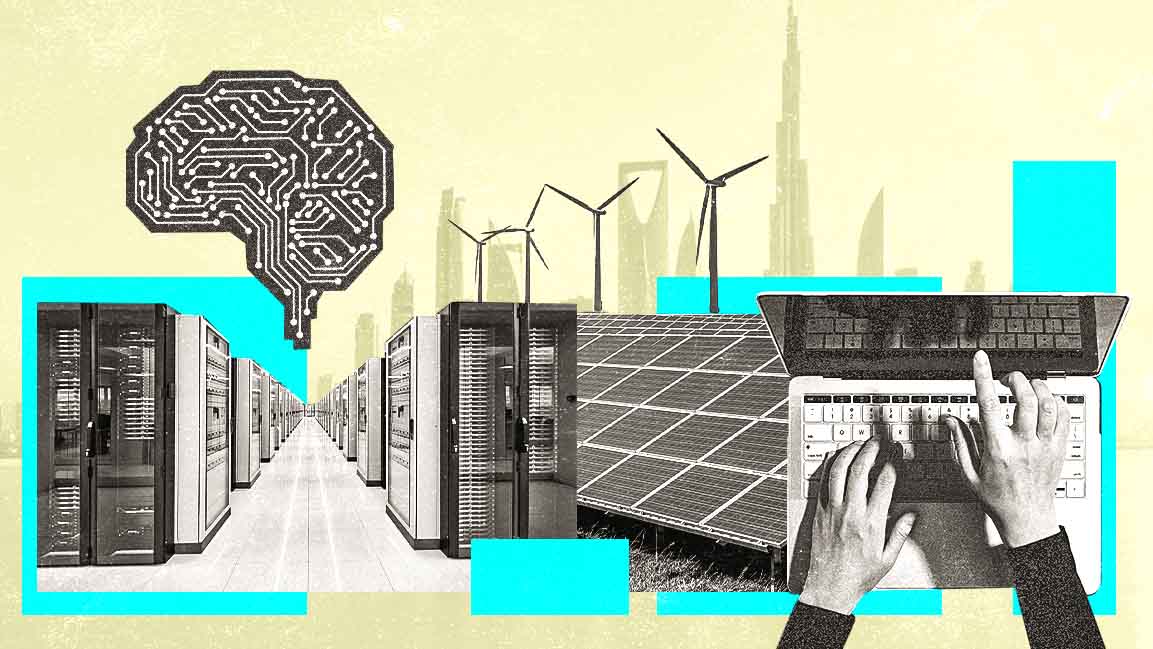
Across exhibition halls and keynote sessions, companies showcased AI-powered manufacturing systems, industrial robotics, predictive maintenance platforms, autonomous mobility technologies, and smart factory infrastructure. Rather than positioning AI solely as a digital sector opportunity, the event highlighted its role as an industrial infrastructure that can improve productivity, optimize energy use, and enhance manufacturing competitiveness.
This aligns with Abu Dhabi’s broader ambition to position itself as a global center for advanced industries and sovereign AI capabilities.
The strong presence of autonomous systems, robotics, and industrial automation companies also reflected the UAE’s push to move higher up the manufacturing value chain and compete in future-focused sectors.
A growing role for startups and SMEs
The event also highlighted efforts to build a more dynamic industrial startup ecosystem. A dedicated Startup Hub and pitch competition connected founders with investors, procurement leaders, and manufacturers. This reflects growing recognition that future industrial growth will be driven not only by large conglomerates, but also by agile technology-led firms specializing in automation, industrial software, robotics, and clean manufacturing solutions.
SMEs accounted for the majority of exhibitors at this year’s edition, signaling their increasing centrality to the country’s industrial strategy.
The UAE’s industrial strategy enters a new phase
Taken together, the announcements at Make it in the Emirates 2026 indicate a further stage in the UAE’s industrial policy development.
The country is expanding its focus beyond its traditional positioning as a logistics and investment hub. The current approach emphasizes the development of a more integrated industrial base, supported by advanced manufacturing, AI-enabled production, localized supply chains, procurement-driven demand, and industrial innovation.
The effectiveness of these initiatives will depend on execution, investment uptake, and the speed with which private-sector capacity aligns with policy goals. The direction of policy, however, reflects a continued effort to build industrial capability, reduce reliance on imports in selected sectors, and strengthen participation in global supply chains amid changing technological and economic conditions.

Featured Videos
Today's Top Stories:
More Top Stories:


FROM OUR PARTNERS