- | 1:00 pm
EWEC projects Abu Dhabi solar capacity to grow nearly 2,000% by 2030
Solar capacity is projected to exceed 30GW by 2035, supplying around 40% of Abu Dhabi’s electricity generation.
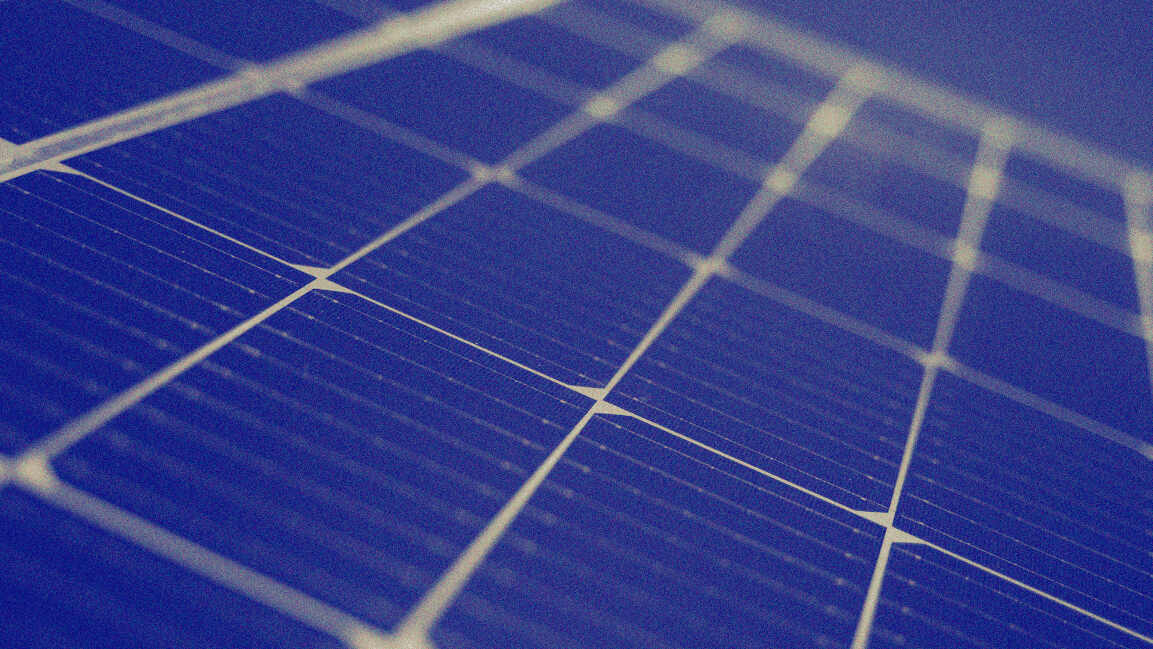


Emirates Water and Electricity Company (EWEC) said Abu Dhabi’s solar power capacity is expected to increase by nearly 2,000% between 2020 and 2030, reaching a projected installed capacity of 17.5 gigawatts (GW).
The company said solar capacity is forecast to exceed 30GW by 2035, with solar energy expected to account for around 40% of Abu Dhabi’s total electricity generation.
EWEC highlighted the plans while marking the International Day of Light, an annual initiative led by UNESCO that recognizes the role of light in science, innovation, and sustainable development.
According to EWEC, this year’s theme, “Light for a Sustainable Future,” aligns with its strategy to expand renewable energy generation and support the transition toward a lower-carbon power system in Abu Dhabi.
As part of its renewable energy program, EWEC has commissioned five large-scale solar projects, including Noor Abu Dhabi, Al Dhafra Solar PV, Al Ajban Solar PV, Khazna Solar PV, and Zarraf Solar PV.
The company is also developing a large-scale renewable energy and storage project in partnership with Masdar. The project combines a 5.2GW solar photovoltaic facility with a 19 gigawatt-hour battery energy storage system to support a continuous renewable power supply.
Adel Alsaeedi, Senior Vice President of Project Development at EWEC, said the company’s solar expansion strategy is designed to support decarbonization, strengthen energy security, and contribute to sustainable economic growth.
EWEC said the integration of solar photovoltaic systems with battery storage is expected to significantly reduce emissions from electricity and water production. The company projects that the average carbon dioxide intensity from electricity generation will decline by 51% by 2030 compared with 2019 levels.
Carbon intensity from water production is also forecast to decline by 94% by 2030, supported by the increased deployment of reverse osmosis technology and the separation of water and power production processes.
According to EWEC, reverse osmosis is expected to account for 92% of Abu Dhabi’s total water production by 2030.
The company added that its broader strategy is projected to reduce total carbon dioxide emissions by nearly 46% by 2035 compared with 2019 levels.
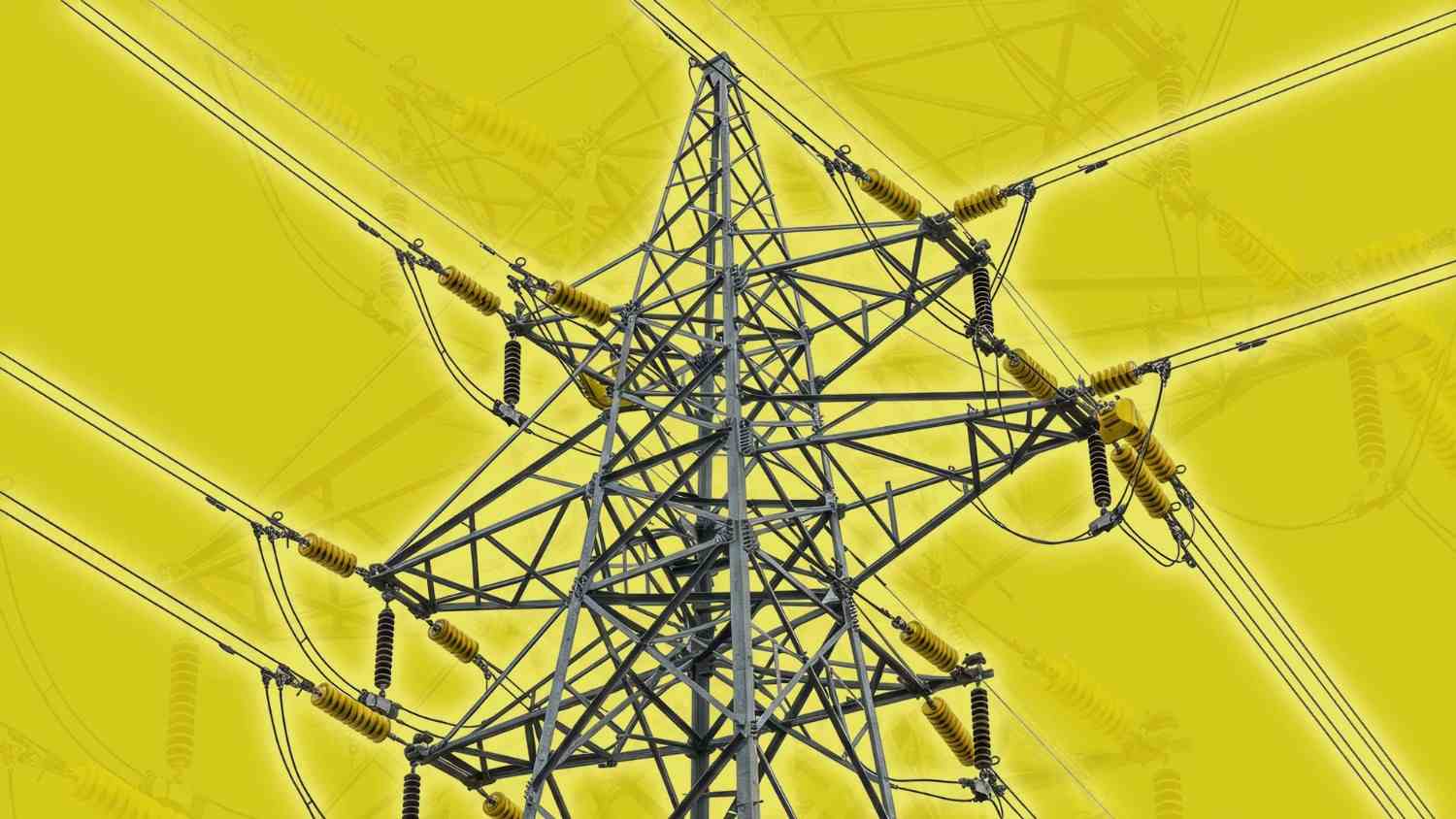
To support the expansion of renewable energy generation, EWEC is also advancing grid infrastructure plans, including the integration of more than 8GW of long-duration battery energy storage systems by 2035.

Featured Videos
Today's Top Stories:
More Top Stories:



FROM OUR PARTNERS