
- | 9:00 am
5 powerful ways to reset your mindset when you’re stuck
Finding a different perspective can help you when you’re stuck on a problem.
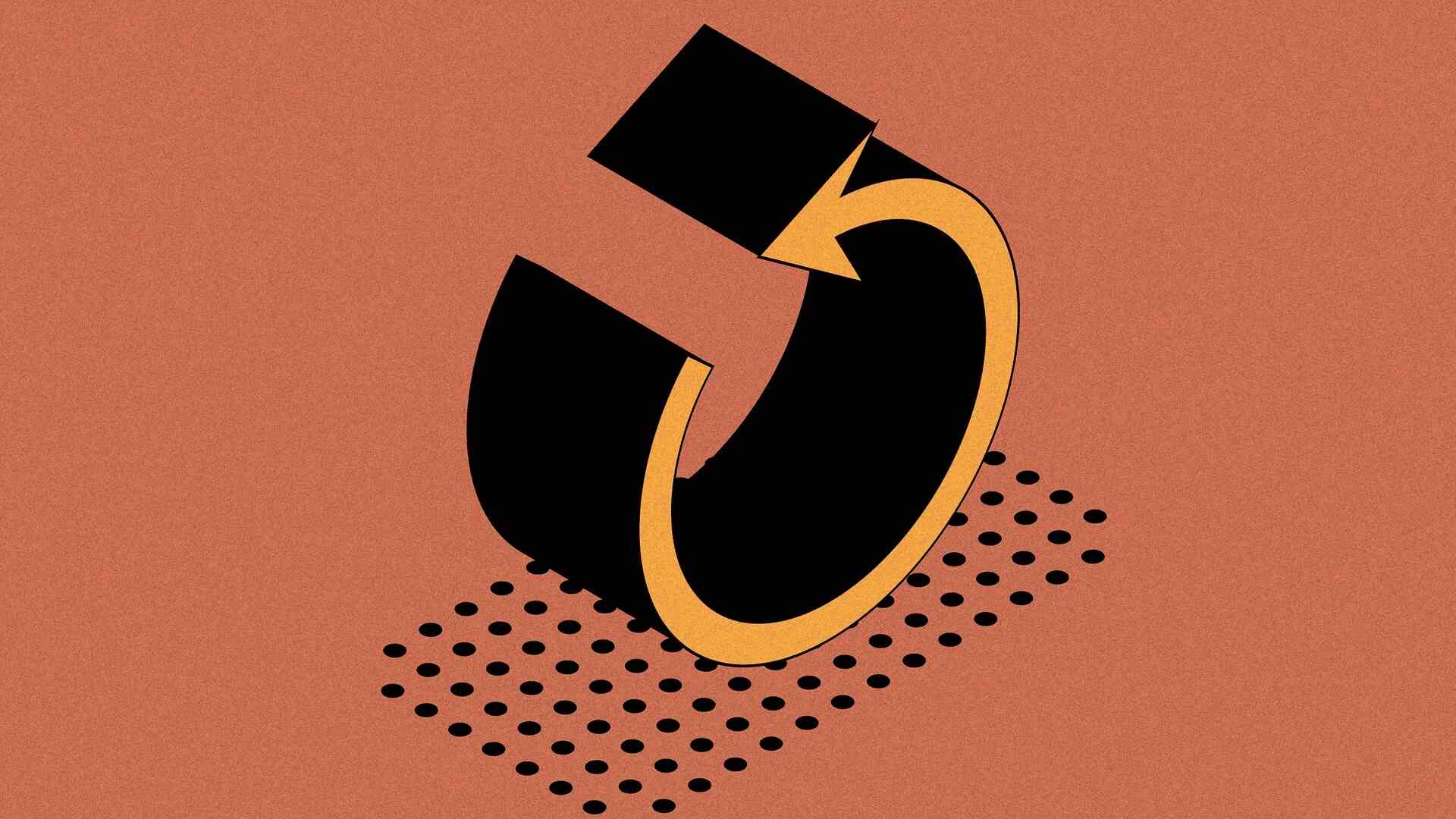


Finding perspective is primarily about mental flexibility, the willingness to question assumptions and examine situations where we feel stuck from a fresh perspective. That means being prepared to see what is present, and also seek out what might be conspicuously absent.
But what does this look like on a Sunday night when you feel fatigued and don’t want to go back to work? What if you’re dealing with a personal dilemma? Or you don’t know when to move on after an argument? How do you find perspective when you’re in these kinds of circumstances?
Here are five useful methods for getting started.
1. Reframe your experience
It’s easy to get down on ourselves when we’re in the depths of struggle. We get disappointed and discouraged, and we start forming a negative view of the world, and sometimes ourselves.
Giving ourselves care and compassion is a great antidote for self-loathing. It’s good to remind ourselves that challenge and a sense of struggle often signal that we are moving beyond the obvious and comfortable. Remember, the best results rarely come easily. Reframing productive struggle as a normal part of the human experience can alter our perspective and propel us forward.
2. Ask powerful questions
We can all fall into the trap of overlooking (or minimizing) our own responsibility for the struggle we are in. For example, we whine about being busy and overwhelmed, but we don’t learn to set better boundaries and how to say no.
Venting about how unreasonable your boss is might feel good in the moment, but it isn’t particularly helpful or useful. What would help is asking a powerful question like “How might I have a better relationship with my boss?” This detangles emotions, releases your mind, and reorients the conversation. You can start to release your frustration, let ideas flow, and explore new possibilities.
3. Embrace your curiosity
Teachers will speak softly to calm a classroom full of noisy kids. When they make it harder to hear, students must be quieter so they can hear what’s happening. We sometimes need to do the same. We become less curious as we get older, making it harder for us to find escape routes when we feel stuck. Forcing ourselves to consider alternate perspectives (without having to agree with them) helps assumptions to surface. From there, we can determine if the position we are taking is in line with the outcome that we want.
4. Live your values
Core beliefs about what is meaningful and important offer a stable reference point in times of struggle. Aligning our actions to what matters helps us work through confusion and maintain direction with greater resolve during difficult times. A commitment to integrity helps guide us to make an ethical decision under pressure. Dedication to our family can inspire us to persevere for their sake. Values transform turmoil into a journey of self-discovery and strength.
5. Lean on relationships
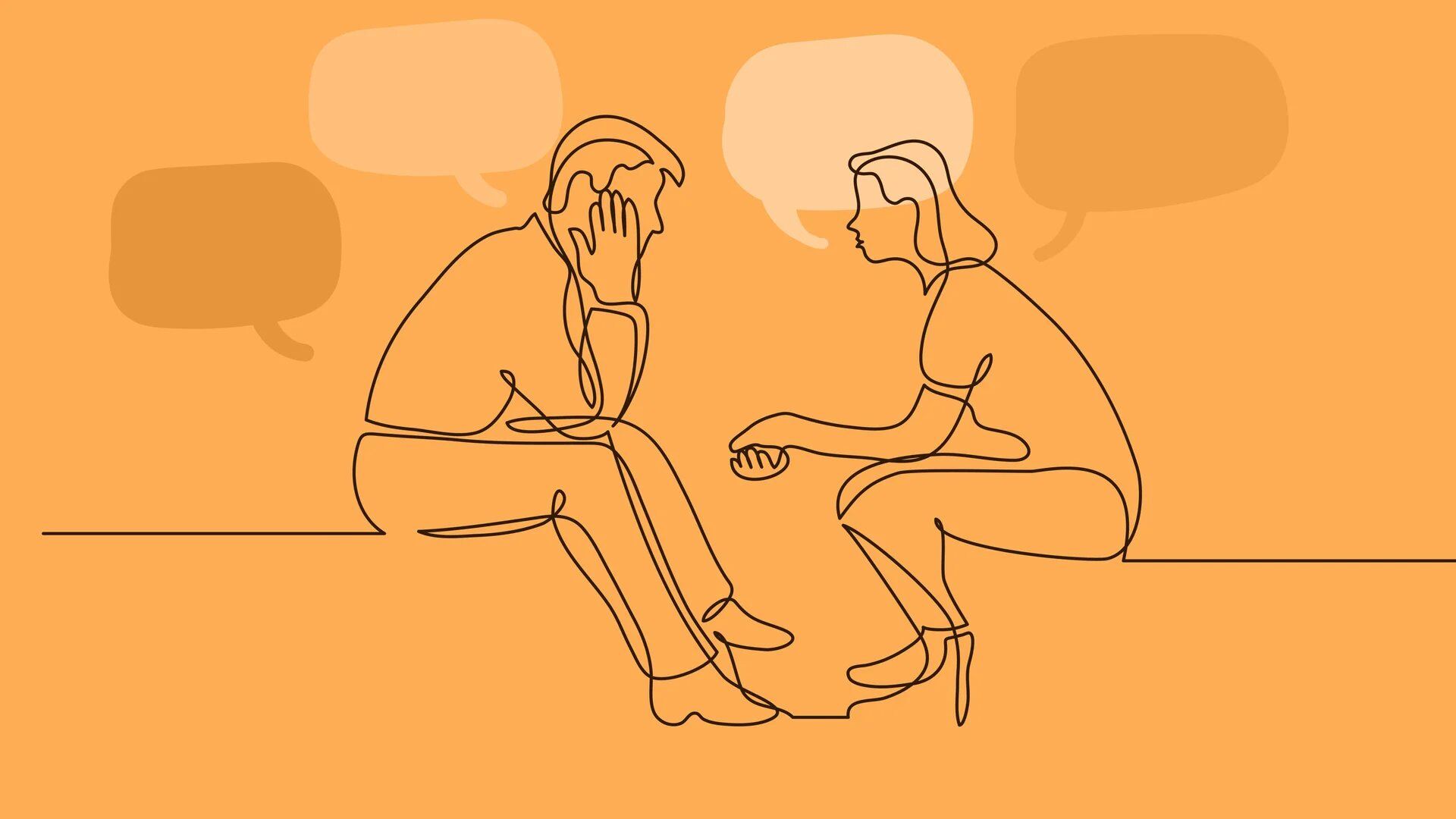
We are rarely alone when facing challenges. Who are your mentors or allies? What have they said about the situation you are in? Have you taken time to reflect on their advice, or are you rushing past the wisdom they are offering? We often make our worst decisions on our own. You don’t need to agree with everyone you talk to, but it can be a mistake to hide the situation you are in from the people you trust.
These ideas are not exhaustive, and they’ll prove most beneficial when you apply them to a specific context. Why not give one or two a try using a problem you are facing right now?
When you feel stuck on a problem, it can be all too easy to give up and fall into a hopeless mindset. But there’s usually a perspective that can help you get past that point and move forward.
It’s probably not the obvious thing, nor will it be the easiest thing to do. But committing to that reframe and having the courage to do the right thing can put you in a stronger position than where you originally started.
This is an edited extract from “Better” by Andrew Horsfield. It is reprinted with permission.