
- | 2:00 pm
Why the UAE is putting agentic AI at the heart of government communication
The UAE Government Media Office has introduced new guidelines to standardize and improve government content production across federal entities.



The UAE is rethinking how government stories are created, approved, and distributed, introducing a new content framework that centers on artificial intelligence and real-time digital communication.
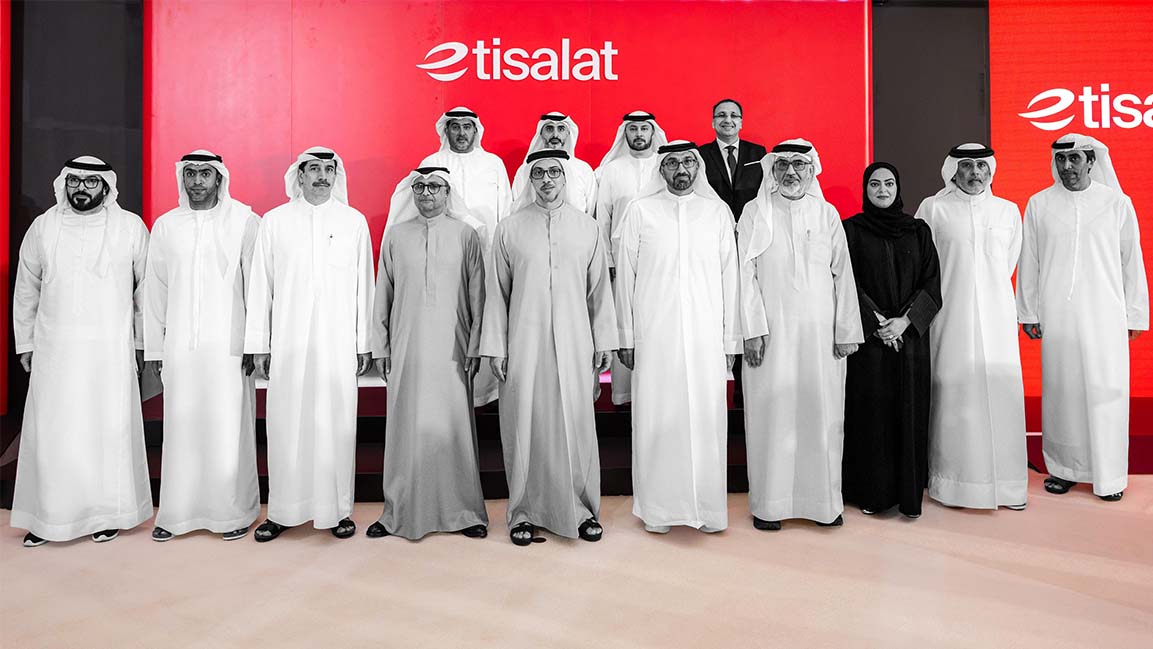
The UAE Government Media Office has launched a Government Media Content Guideline to standardize how federal entities produce and distribute content. The initiative was unveiled during a Government Communication Network meeting at Creators HQ in Dubai, bringing together senior communications leaders from across federal agencies.
At its core, the guideline is designed to make government messaging faster, more consistent, and more strategically aligned across platforms, reflecting a broader shift toward data-driven public communication.
The stronger signal, however, came from the conversation around emerging technologies. Saeed Al Eter, Chairman of the UAE Government Media Office, described artificial intelligence, particularly Agentic AI, as the next major evolution in government communication.
“We are developing an advanced government communication ecosystem grounded in data, knowledge, and the latest digital technologies,” Al Eter said during the meeting. “The goal is to create content that is credible, impactful, and capable of reaching every segment of society.”
He went further, describing Agentic AI as a structural shift in how governments will operate within the information ecosystem. According to Al Eter, AI will enable real-time content creation, earlier detection of misinformation, and more precise responses during rapidly evolving crises.
“Agentic AI will define the next chapter,” he said. “It will allow us to produce high-quality content in real time and at scale, get ahead of misinformation before it spreads, navigate fast-moving crises with greater precision, and engage more meaningfully with digital communities.”
The event also highlighted the UAE’s growing emphasis on crisis communications as a core function of governance rather than an afterthought. A dedicated session led by the National Emergency Crisis and Disasters Management Authority (NCEMA) explored how structured communication strategies can strengthen public trust during emergencies.
The new guideline serves as a comprehensive playbook for government communications teams. It covers everything from editorial planning and message development to production standards and multi-platform distribution, effectively codifying how federal entities should approach content from conception to publication.
Rather than treating communication as a downstream function, the framework positions it as a strategic capability that is structured, repeatable, and measurable.
To help translate the guidelines into practice, the Government Media Office also hosted a hands-on workshop for communications teams. Instead of relying on traditional presentations, participants worked through real-world content scenarios focused on narrative development, message clarity, and platform-specific adaptation.

Featured Videos
Today's Top Stories:
More Top Stories:




FROM OUR PARTNERS