- | 1:00 pm
Saudi Arabia advances Vision 2030 with new milestones in healthcare, aviation and sustainability
The kingdom’s developments also focused on economic and human capital development, agriculture, education and more.
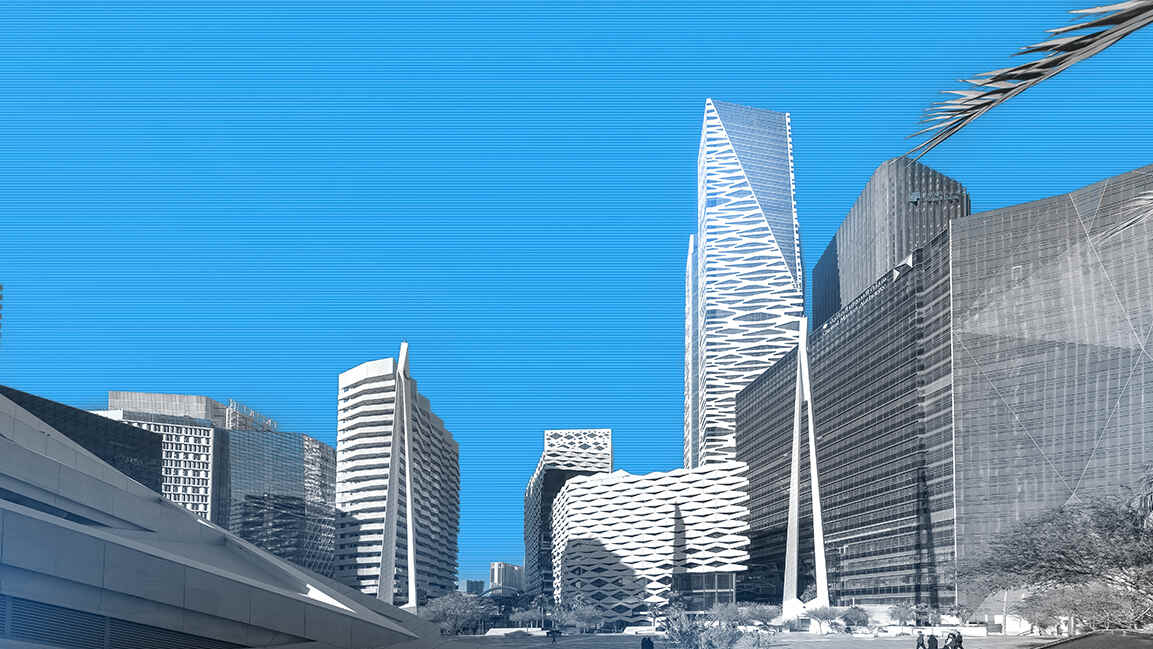


Saudi Arabia accelerated the implementation of Vision 2030 initiatives during the first half of June 2026, advancing projects across healthcare, aviation, sports, education, agriculture, sustainability and economic development.
The latest developments reflect the Kingdom’s ongoing efforts to diversify its economy, strengthen domestic capabilities and expand its global presence through investments, infrastructure projects and technology-driven initiatives.
Healthcare remained a key focus as Saudi Arabia continued its shift towards a preventive, value-based healthcare model. The Ministry of Health’s Seha Virtual Hospital now connects 242 hospitals and has served more than 597,000 beneficiaries.
During the 1447 AH Hajj season, the AI-powered RASID system reduced verification times for controlled medications carried by arriving pilgrims by 98%, streamlining healthcare procedures at border entry points. The sector also gained international recognition after King Faisal Specialist Hospital was awarded Diamond status by the World Stroke Organization.
The Kingdom continued to strengthen its position as a regional sports and entertainment hub. Qiddiya Investment Company announced plans for the National Tennis Centre, a 33,000-seat complex featuring 30 courts built to ATP, WTA and ITF standards, supporting both international tennis ambitions and economic diversification goals.
Aviation also recorded notable progress. Saudia Airlines ranked first globally for on-time performance in May 2026, achieving a 92.3% departure punctuality rate across more than 13,600 flights. Riyadh Air received its first three Boeing 787-9 Dreamliners and launched its initial international routes, including London Heathrow, with a total of 72 aircraft scheduled for delivery under its long-term expansion strategy.
Economic and human capital development initiatives also advanced during the period. More than 100 projects worth $2.27 billion were announced at the second Human Capability Initiative Conference, while Saudi Arabia and Russia signed 13 agreements valued at $1.28 billion to support food security and biotechnology localization.
The agricultural sector continued to receive support through the Saudi Reef program, which distributed $1.12 billion in financial assistance to more than 87,000 beneficiaries. In Al-Jouf, annual production exceeded 560,000 tons of fresh produce from more than 10 million fruit trees, alongside 120,000 tons of watermelon harvested across 3,750 hectares.
Environmental sustainability remained a focus, with Red Sea Global avoiding nearly 118,000 tons of carbon dioxide equivalent emissions by using 100 percent renewable electricity. The Kingdom also offered 13,000 square kilometers across five regions under Round 10 mineral exploration licenses, while 163 native plant species were recorded in Jazan as part of afforestation efforts.
In education, more than 470,000 teachers benefited from professional development programs, while over 28,400 Saudi students were enrolled in the world’s top 200 universities.
The period also saw progress in heritage preservation, transport and logistics. The Heritage Commission documented 1,774 archaeological and rock art discoveries in Al Mahd Governorate, while the Transport General Authority resolved 2,500 transport reports and conducted 13,000 passenger surveys related to pilgrim services. AgriServ also processed more than 2.54 million livestock shipments through quarantine facilities.

Featured Videos
Today's Top Stories:
More Top Stories:

FROM OUR PARTNERS