- | 9:00 am
Natural food dyes are winning the snack wars
Sales of food and beverages that use natural dyes are growing faster than those with artificial colors.
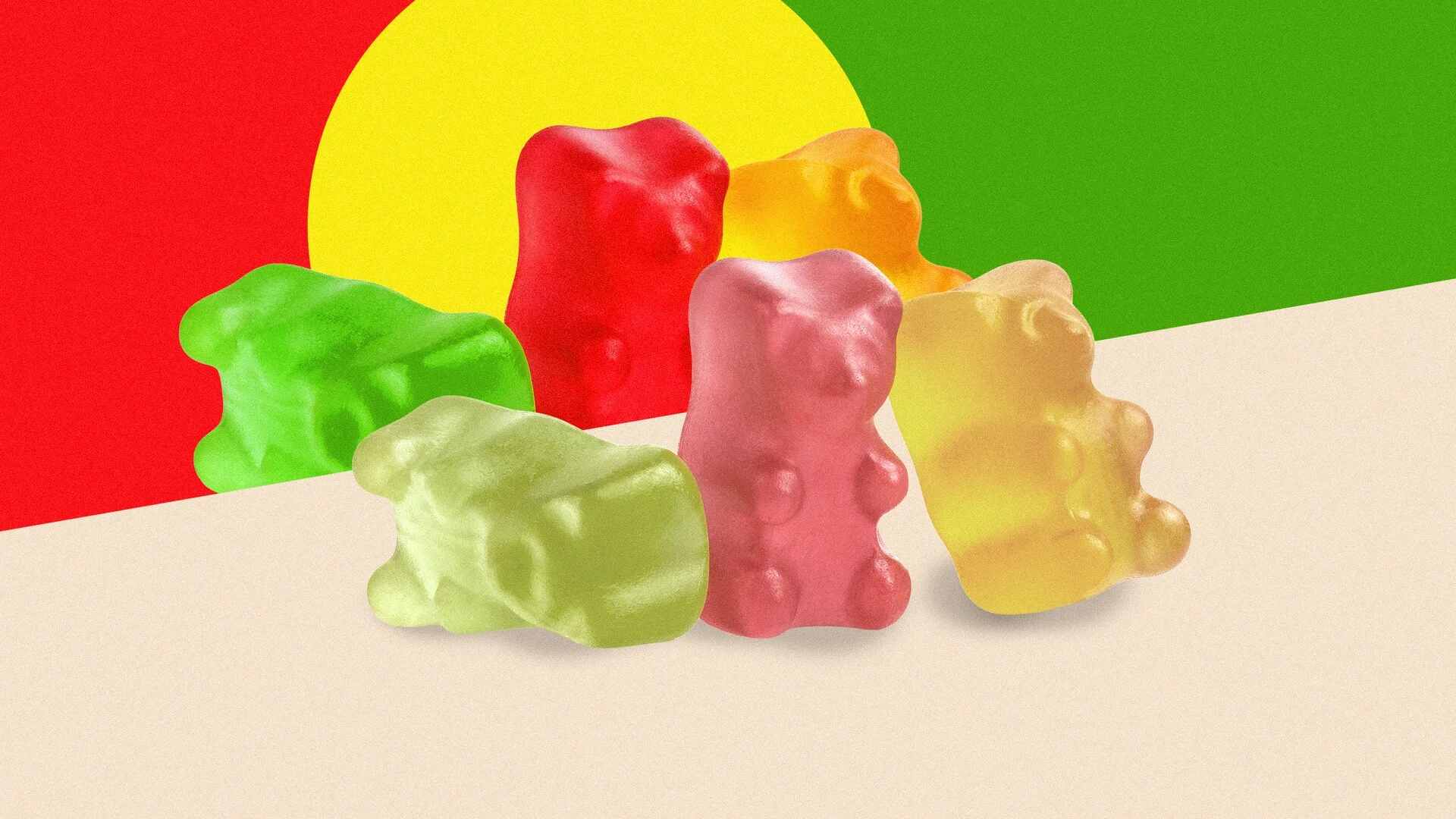


American shoppers are increasingly buying food made from natural colors.
Since last year, the Food and Drug Administration (FDA) has moved to phase out synthetic dyes from food. Now, research shows that consumer demand is trending in the same direction as shoppers opt for products that use natural colorants like beets, grape, paprika, and turmeric instead of artificial dyes.
According to a new report from the trade group National Confectioners Association and the research firm RTI International, sales of food and beverage with “natural colors” listed on their packaging grew by 24.4% from 2024 to 2025. In the same period, products with “artificial colors” listed on their packaging grew just 0.1%. Products with some artificial colors like Red No. 40, Yellow No. 5, and Yellow No. 6, have seen sales fall.
The sales growth in products with natural colors was most pronounced in prepared foods (up 52.5%), diet and nutrition products (40.6%), and baking, seasoning, and toppings (27.1%). It was also up for things like candy (19.1%) and beverages (12.1%).
“Consumer demand for natural ingredients, clean labels, and greater ingredient transparency has grown steadily over the last several years,” the report’s authors wrote. But the shift isn’t without challenges. “Without coordination, the industry may face higher costs, supply instability, and uneven implementation,” they wrote.
The great food recoloring has shown up at retailers like Target, which removed all cereal with synthetic colors in May, and Walmart, which plans to remove all synthetic dyes from its private-label brands by January 2027. Kraft Heinz and General Mills both announced in June 2025 that they would remove artificial dyes from their products by 2027.
For food and beverage companies and dye makers, this transition isn’t quick, cheap, or easy. It took Welch’s Fruit Snacks, for example, a decade to transition to natural colorants. Reformulation can be a difficult process, as natural colorants can be less consistent and stable, and can cost as much as 10 times what synthetic dyes do. There’s also just not enough supply at the moment.
One ingredient supplier estimates that if the entire U.S. food industry switched to natural colorants, there would be a 400% to 500% increase in demand for the colorants, pushing up prices, according to the report. The authors recommend realistic timelines to transition to natural colorants that take into account factors like testing time and supply chains.
Then there’s the psychological aspect. The coloring of foods made using natural dyes can look dull or muted, while synthetic dyes are brighter, which can trick the taste buds into thinking something tastes sweeter. General Mills tried in 2016 to remove artificial dyes from Trix cereal, but consumers revolted and it switched back the following year.
Might the transition to natural dyes work better 10 years on? In addition to “Make America Healthy Again” pressure from the federal government, eight states, including California and Texas, have laws regarding artificial dyes as of January. Nearly two dozen others are considering their own. But consumer demand could perhaps be the ultimate factor. If a growing number of shoppers are looking for products with natural colorants, the ultimate incentive for food and beverage manufacturers could be their bottom lines.

Featured Videos
Today's Top Stories:
More Top Stories:



FROM OUR PARTNERS