- | 9:00 am
Luxury’s real crisis isn’t price—it’s desirability
The problem is that many so-called luxury products no longer feel worth paying for.


Earlier this year, LVMH agreed to sell Marc Jacobs, as the world’s largest luxury group continues trimming its portfolio after several years of slowing demand. It’s the latest sign that even the biggest names in luxury are under real pressure.
According to Bain, the management consultancy, the luxury market has lost around 70 million customers since 2022, shrinking from 400 million to roughly 330 million by the end of 2025. That wipes out over a decade of customer growth and returns the market to its estimated 2013 size. Sales continue to decline too, falling an estimated 2% to 358 billion euros ($409 billion) in 2025.
The instinctive explanation is that consumers have less money to spend. But that’s not what’s happening: People are still willing to pay extraordinary amounts for things they truly desire. The problem is that many so-called luxury products no longer feel worth paying for.
Luxury brands spent decades expanding and extending, licensing their names onto everything from perfume to eyewear to home goods. Gucci put its name on roughly 22,000 licensed products by the mid-1990s, before Tom Ford famously cut the line to 5,000 to save the brand.
Being everywhere was once good for the balance sheet but bad for the brand halo. Now luxury houses are reckoning with that. The more ubiquitous a brand becomes, the less a purchase feels worth the price—and eventually that hits sales.
So, how do brands rebuild emotional resonance beyond the product itself?
Luxury should feel personal, not transactional
Luxury isn’t just about buying a beautiful object. It’s about how you’re made to feel while you’re buying it. I experienced this first hand recently, trying to treat myself to a card holder from a very well-known ultra luxury brand. Nobody greeted me at the door; one member of staff pointed me to another, who simply told me there were eight people ahead of me. I walked out and bought a beautifully crafted card holder from a smaller luxury retailer instead. It was cheaper and exceptionally made, and I was treated like a valued customer from the moment I walked in. I left with a far stronger emotional connection to that brand than I’ve ever had with the famous ultra luxury brand.
According to Bain, 70% of luxury consumers are dissatisfied with today’s in-store experience, and 90% say the experience feels the same across brands, a staggering finding for an industry that has always promised exceptional service.
Luxury commands a premium through exceptional products and exceptional service. Process every customer the same way and the experience becomes a commodity. The brands that win will make every interaction feel tailored, because a customer treated well becomes an ambassador.
Rarity is more valuable than recognition
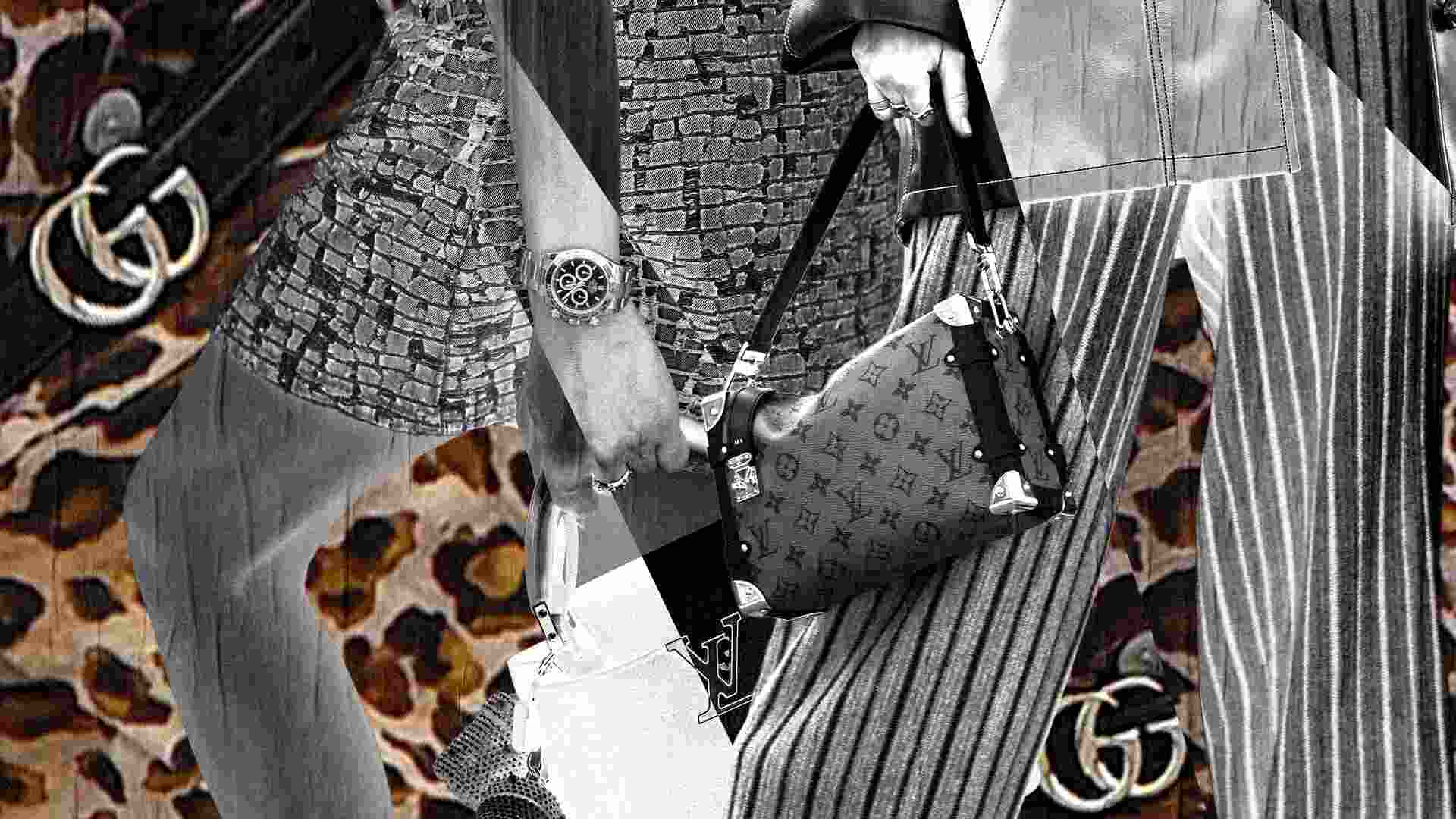
Watches like Rolex are beautiful, but so many people own one that wearing one no longer signals much about who you are. For some, vintage or lesser-known pieces have become a way to show personality because they still carry the brand’s essence, minus the crowd. This isn’t a fringe preference. The secondhand luxury market is expanding three times as fast as the firsthand market, and secondhand items already make up 40% of resale-engaged consumers’ handbag wardrobes, the highest share of any category.
Carrying the same bag as thousands of others can now have the opposite effect of the status it once conferred. For younger consumers especially, obvious logos suggest conformity rather than taste. I call it McLuxury: fast-food luxury. When Louis Vuitton introduced its monogram, it was genuinely innovative. Today, following the pack isn’t aspirational.
Take a lesson from film: This year, two young, new directors—Kane Parsons with Backrooms and Curry Barker with Obsession—turned original, low-budget horror films into two of 2026’s biggest box-office hits, each outgrossing franchise sequels made for many times the cost. People are hungry for something unique and exciting.
For luxury brands, that means looking hard at what actually makes them exceptional and finding a way back to it: surprising people. Bring back archival pieces or create unexpected drops that generate genuine excitement.
Build a world people want to belong to
People increasingly want to belong rather than simply own. It shouldn’t matter whether you’re buying Chanel clothing or a Chanel fragrance; you should feel like you’ve entered the same world either way.
Luxury brands should think of every customer interaction as part of the product. The invitation to an event, the welcome in store, the knowledge of a sales associate, the presentation of the packaging and the follow-up after a purchase should all reinforce the same world. Those rituals give a purchase emotional weight that lasts far longer than the transaction itself.
In a world where dupes are common, that emotional experience is something they can never replicate.
A counterfeit bag might imitate the craftsmanship but it can’t imitate how a brand makes someone feel.
Think like a 19th-century luxury house
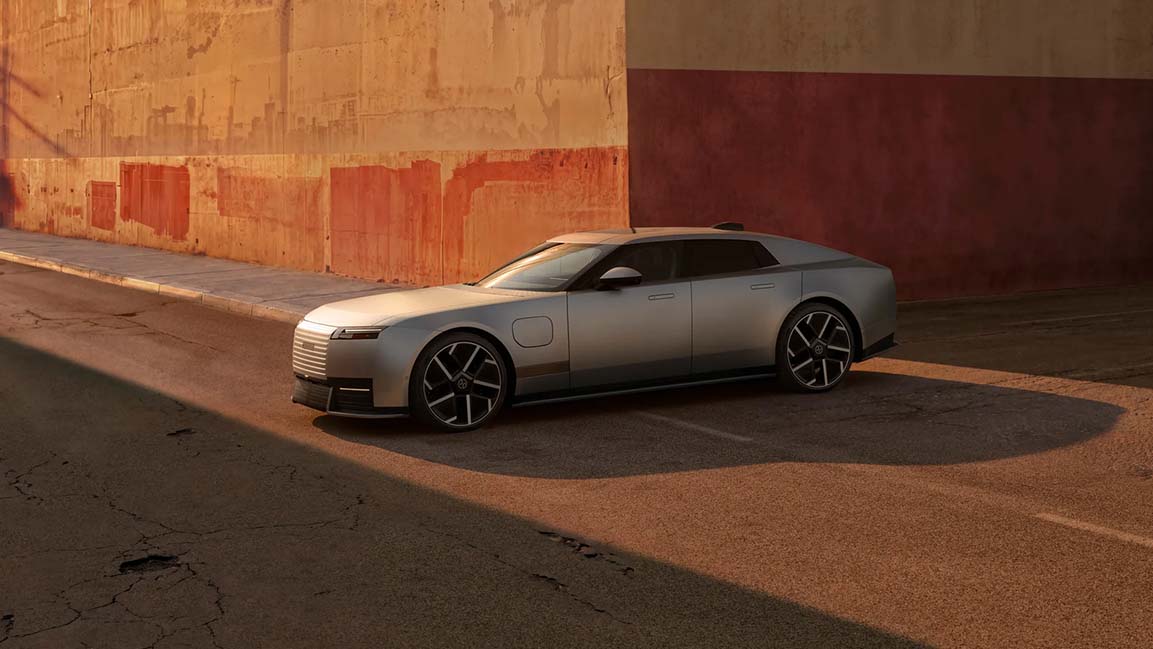
Before mass production, luxury flourished in a world governed by skilled craftsmanship, and the industry needs that mindset back, rather than the unrelenting-growth logic of the 1980s. Cars once had unmistakable personalities; today, technical efficiency has replaced distinction. Ferrari found this out the hard way this year, when its first EV, the Luce, was compared online to a $30,000 Nissan Leaf despite its $640,000 price tag, and shares dropped as much as 8% after the reveal. If a supercar no longer feels special, buyers trade down or look elsewhere for individuality.
The great luxury houses weren’t built by chasing ubiquity. They were built through craftsmanship, remarkable service, and genuine innovation, the very qualities many smaller luxury brands now use to compete with the industry’s biggest names.
Luxury has never simply been about making beautiful things. It has always been about making people feel something. The brands that remember this won’t just survive this downturn, they’ll define what luxury means next.
Featured Videos
Today's Top Stories:
More Top Stories:



FROM OUR PARTNERS