
- | 2:00 pm
Abu Dhabi Stem Cells Centre identifies new Huntington’s disease mechanism in research breakthrough
Patient-derived stem cell models reveal role of brain support cells in disease progression, opening new pathways for targeted treatments
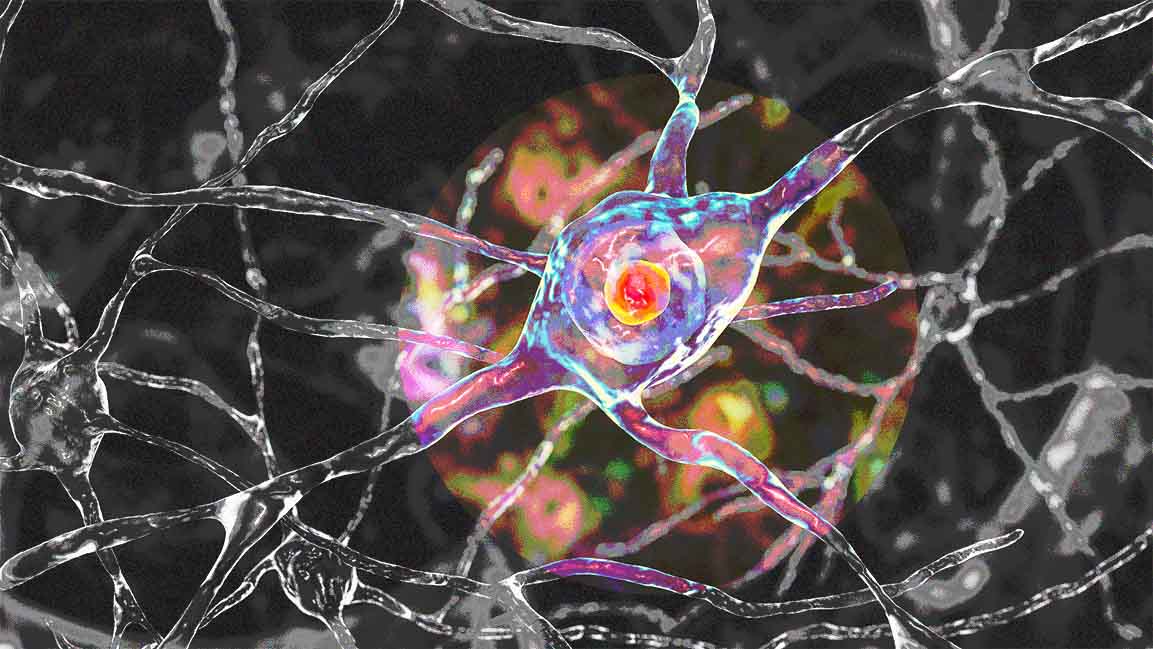


The Abu Dhabi Stem Cells Centre (ADSCC) has announced a scientific breakthrough in Huntington’s disease research, uncovering a previously unknown mechanism that could reshape understanding of how the inherited neurological disorder develops and pave the way for future therapies.
The findings, generated using patient-derived stem cell technology and advanced brain models, reveal that the progression of Huntington’s disease is driven not only by damage to neurons but also by dysfunction in astrocytes. These specialised support cells make up a significant proportion of brain tissue and play a critical role in maintaining normal brain function.
The research is expected to be published in a peer-reviewed scientific journal and could contribute to the development of targeted therapies for Huntington’s disease, a rare genetic condition that progressively affects movement, cognitive function, and behaviour.
Despite decades of research, there are currently no treatments that address the underlying cause of Huntington’s disease, leaving patients with limited options to slow or manage its progression.
To investigate the disease at the cellular level, ADSCC researchers developed advanced laboratory models using skin and blood samples collected from Huntington’s disease patients at different stages of the condition, including both paediatric and adult cases.
The patient cells were reprogrammed into induced pluripotent stem cells (iPSCs) and then differentiated into brain-like tissue containing neurons and astrocytes. This enabled scientists to study the disease in a patient-specific environment that closely replicates its underlying biology.
The study found that the mutant huntingtin protein, the abnormal protein responsible for Huntington’s disease, disrupts astrocytes’ ability to build and maintain their internal structural framework.
Researchers discovered that the protein interferes with three key molecular pathways responsible for regulating the production of glial fibrillary acidic protein (GFAP), a critical structural protein required for healthy astrocyte function.
To validate the findings, the team introduced the mutant huntingtin protein into healthy cells and successfully reproduced the same abnormalities observed in patient-derived cells. Researchers then tested three therapeutic compounds designed to restore the disrupted molecular pathways.
Following treatment, the affected astrocytes regained their normal structure and function, highlighting promising new avenues for future drug development.
The breakthrough also demonstrates the potential of patient-derived stem cell platforms to accelerate research into a broader range of inherited neurological and genetic disorders.
ADSCC said the technology could support future studies into conditions including amyotrophic lateral sclerosis (ALS), leukodystrophies, Alzheimer’s disease, Parkinson’s disease, Alexander disease, sickle cell disease, and other rare disorders affecting populations across the region.
The research adds to Abu Dhabi’s growing focus on advanced biomedical innovation, with stem cell technologies increasingly being used to improve understanding of complex diseases and advance precision medicine tailored to individual patients.

Featured Videos
Today's Top Stories:
More Top Stories:





FROM OUR PARTNERS