
- | 12:00 pm
Wadi Wurayah’s UNESCO listing puts biodiversity at the center of the UAE’s sustainability agenda
The Fujairah nature reserve’s global recognition highlights the UAE’s growing focus on biodiversity conservation and sustainable environmental management.


As climate change and biodiversity loss reshape how countries approach sustainability, protecting natural ecosystems is becoming a defining measure of long-term resilience. Governments are increasingly looking beyond traditional development indicators to preserve landscapes, species, and natural resources that will support future generations.
The UAE has reached a new milestone in that effort, with Wadi Wurayah National Park in Fujairah becoming the country’s first natural site to be inscribed on UNESCO’s World Heritage List.
Recognized for its Outstanding Universal Value, the designation places Wadi Wurayah among the world’s most significant natural heritage sites and reinforces the UAE’s commitment to protecting biodiversity through conservation, scientific research, and environmental governance.
Dr. Amna bint Abdullah Al Dahak, UAE Minister of Climate Change and Environment, described the inscription as a historic achievement that reflects the country’s commitment to safeguarding nature and advancing sustainability.
“This global recognition of Wadi Wurayah National Park would not have been possible without the wise vision, steadfast support, and tireless commitment to establishing both Fujairah and the UAE as a leading model in environmental sustainability,” Al Dahak said.
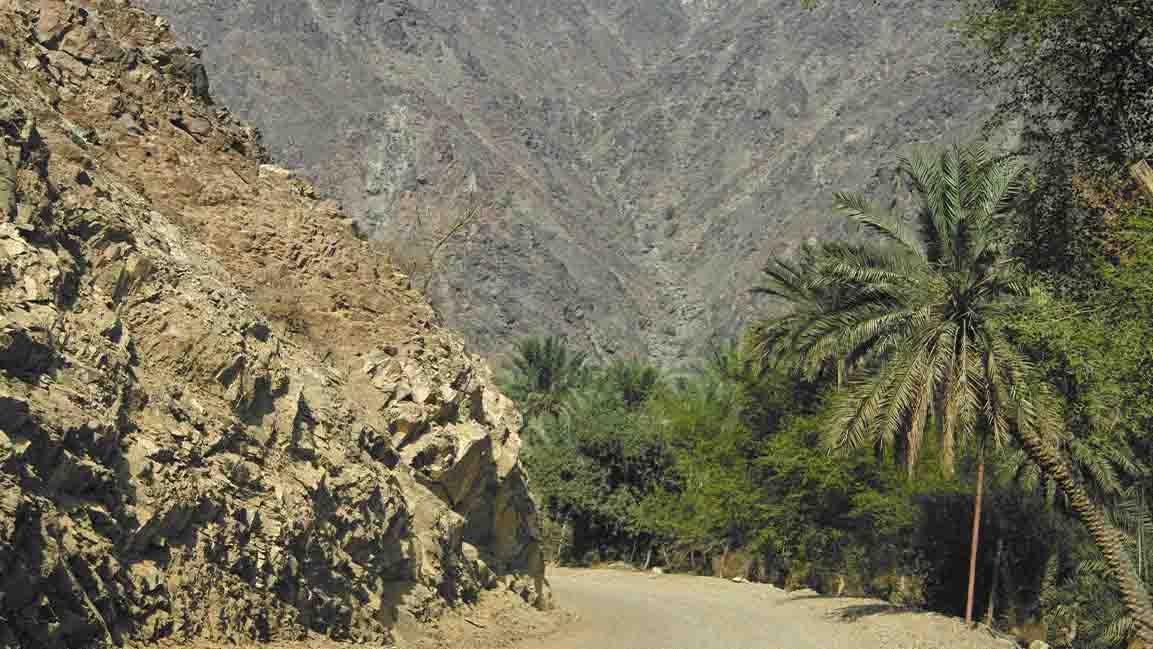
Located in Fujairah, Wadi Wurayah is known for its unique mountain ecosystem, freshwater resources, and role as a habitat for rare and endangered species. Long recognized as one of the UAE’s most important ecological zones, the protected area supports diverse wildlife across rugged mountains, valleys, and natural freshwater systems.
The minister said the UNESCO recognition builds on the environmental vision established by the UAE’s Founding Father, the late Sheikh Zayed bin Sultan Al Nahyan, whose conservation efforts helped shape the country’s approach to protecting natural habitats.
“Protecting wildlife and endangered species remains a fundamental pillar of our National Biodiversity Strategy,” Al Dahak said, adding that the achievement reflects decades of scientific research, environmental studies, and conservation work.
The UAE is home to 54 nature reserves, covering nearly 19% of the country’s total land area, according to the Ministry of Climate Change and Environment. Together, these protected areas form a cornerstone of the country’s broader strategy to preserve ecosystems and strengthen biodiversity resilience.
Beyond conservation, Wadi Wurayah’s UNESCO designation reflects a broader shift in how countries are approaching sustainability, recognizing that natural ecosystems are not only environmental assets but also critical infrastructure that underpins economic, social, and environmental resilience.
Al Dahak also praised the national teams of leaders, researchers, experts, and field workers involved in the years-long effort to document and demonstrate Wadi Wurayah’s Outstanding Universal Value.
“The UAE does not simply keep pace with international standards in environmental governance; it leads them,” she said.
The UNESCO designation adds Wadi Wurayah to a global network of protected heritage sites and marks another step in the UAE’s ambition to make environmental conservation a central pillar of its long-term development strategy.

Featured Videos
Today's Top Stories:
More Top Stories:





FROM OUR PARTNERS