- | 12:00 pm
Saudi Arabia signs EV manufacturing deals with CEER to boost local production
The agreements aim to add SR9.2 billion ($2.46 billion) to the Kingdom's GDP over the next decade while creating more than 2,600 jobs.



Saudi Arabia has signed two agreements with electric vehicle manufacturer CEER to localize the production of electric sedans and SUVs, a move expected to contribute SR9.213 billion ($2.46 billion) to the Kingdom’s GDP over the next decade.
Signed between the Local Content and Government Procurement Authority (LCGPA) and CEER, the agreements aim to strengthen domestic manufacturing, expand local supply chains, and support the transfer of engineering expertise and advanced technologies.
The initiative is also expected to create more than 2,600 jobs while accelerating the development of Saudi Arabia’s electric vehicle industry as part of the Kingdom’s Vision 2030 economic diversification strategy.
Under the agreements, CEER’s locally manufactured electric sedans and SUVs will be added to the mandatory list of national products, encouraging government entities to prioritize their procurement and supporting the growth of local manufacturers.
The LCGPA said the agreements will help strengthen national industrial capabilities, develop strategic industries, and enhance the competitiveness of Saudi Arabia’s manufacturing sector.
LCGPA CEO Abdulrahman bin Abdullah Al-Samari described the automotive sector as one of the world’s most strategic industries, saying the agreements would stimulate demand for locally sourced raw materials, strengthen supply chains, and generate long-term economic value.
CEER CEO James DeLuca said the agreements mark a significant milestone for the company and the future of mobility in Saudi Arabia. He added that localizing engineering, manufacturing, and knowledge transfer would help lay the foundation for a world-class automotive industry in the Kingdom.
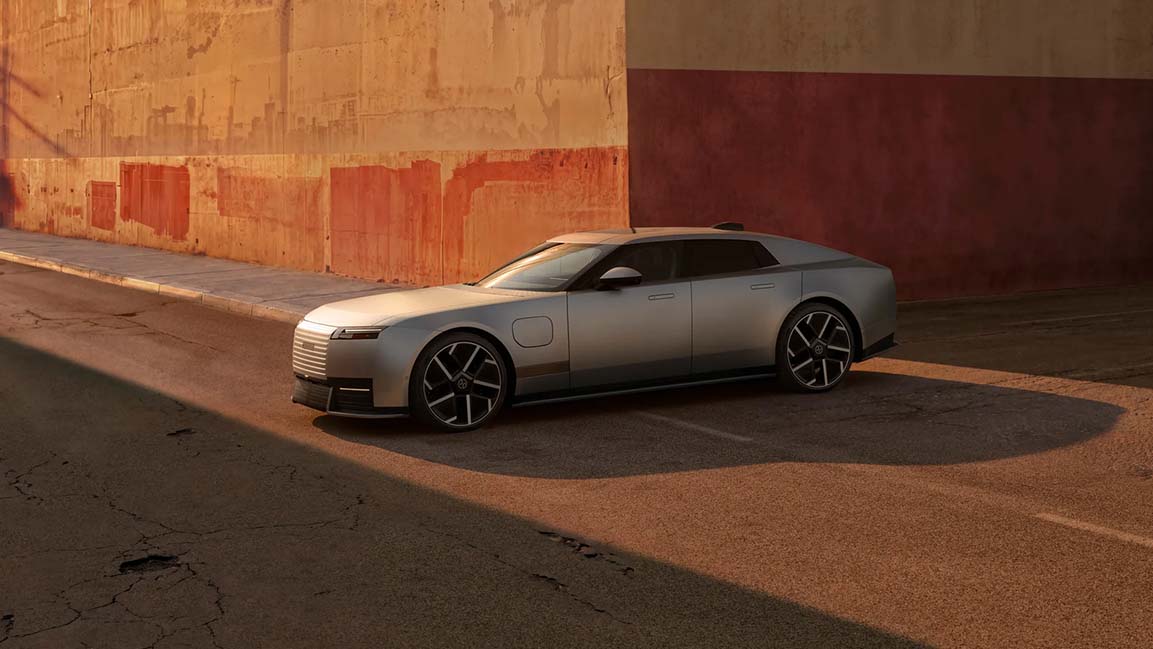
CEER plans to launch the first Saudi electric vehicle designed, engineered, and manufactured entirely within the Kingdom, as it works toward creating nearly 30,000 jobs by 2034, including 6,500 direct positions. Saudi nationals are expected to fill 80% of those roles.

Featured Videos
Today's Top Stories:
More Top Stories:


FROM OUR PARTNERS