- | 12:00 pm
Saudi Arabia, UAE, Oman and Qatar to drive Middle East tourism growth through 2036
Saudi Arabia, the UAE, Oman and Qatar’s combined Travel and Tourism GDP is projected to rise from $272 billion in 2025 to $435 billion by 2036.



Saudi Arabia, the UAE, Oman and Qatar are expected to remain key drivers of the Middle East’s long-term tourism expansion, with their combined Travel and Tourism GDP projected to rise from $272 billion in 2025 to $435 billion by 2036.
The four markets are expected to add more than $163 billion to their combined tourism economies over the period, representing growth of about 60%, according to the World Travel and Tourism Council’s (WTTC) latest Global Trends Report.
The forecast comes as the region faces a short-term tourism slowdown. The Middle East’s Travel and Tourism sector generated about $386 billion in GDP in 2025 but is projected to contract 14.5% to $330 billion in 2026, making it the only global region expected to record a decline this year.
WTTC attributed the contraction to conflict-related disruption affecting airspace and travel flows through a major regional aviation hub. Around 14% of international air passengers travel through the Middle East, connecting major markets across Asia, Europe, Africa and the Americas.
Despite the near-term disruption, WTTC expects the region to record the world’s fastest tourism growth rate over the following decade. Travel and Tourism GDP is projected to grow at an average annual rate of 6.3% between 2026 and 2036, reaching $605 billion by the end of the period.
The four countries are expected to account for a significant share of this expansion as investment continues across aviation, hospitality, entertainment, cultural attractions and destination infrastructure.
Saudi Arabia is leading the region’s tourism transformation. Travel and Tourism accounted for 14.1% of GDP in 2025, while sector investment rose 19.4%, supported by Vision 2030, investor-focused reforms and major tourism projects.
The Kingdom accounted for $178 billion, or 46%, of the Middle East’s Travel and Tourism economy in 2025. The sector grew 7.4%, while international visitor spending rose 8.2% and business travel spending increased by more than 55%.
Saudi Arabia welcomed about 123 million domestic and international tourists in 2025, up 6% from 2024. Tourism spending reached a record $81 billion, up 7%, according to the Ministry of Tourism. The Kingdom has raised its target to 150 million annual visitors by 2030.
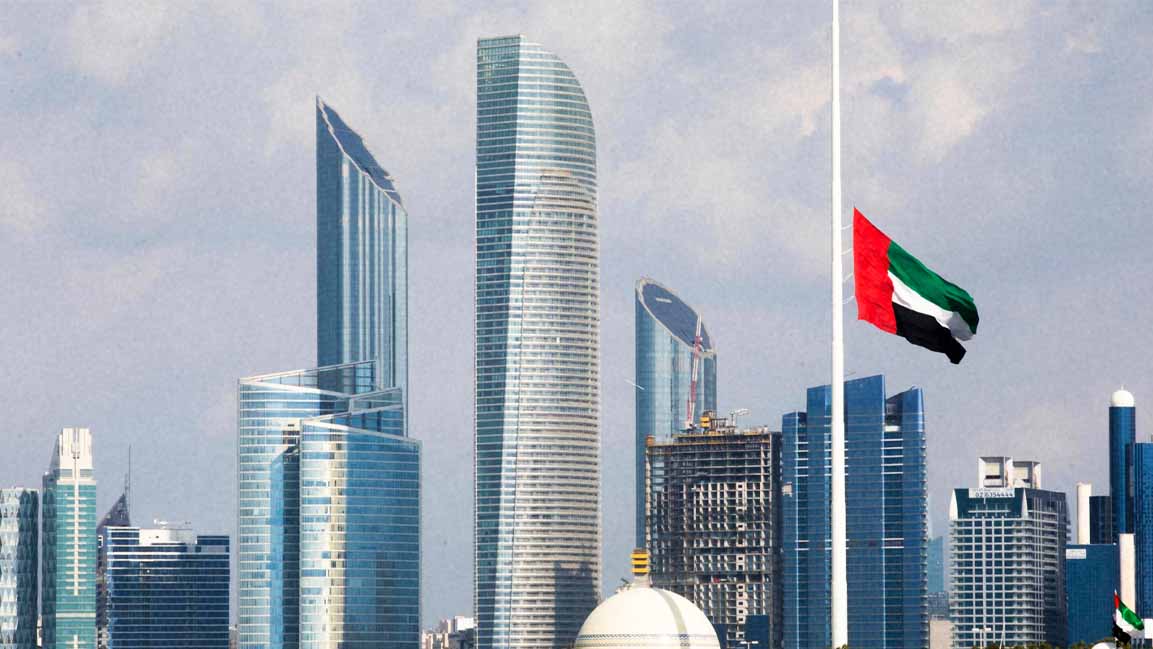
The UAE remains one of the region’s largest tourism markets, with Travel and Tourism contributing $68.5 billion to GDP, or 11.9% of the economy, and supporting 13.6% of employment. International visitor spending reached $56.9 billion, supported by strong aviation connectivity, hospitality and diverse destinations.
The UAE Tourism Strategy 2031 aims to raise tourism’s GDP contribution to about $122.5 billion, attract $27.2 billion in additional investment and welcome 40 million hotel guests.
Oman’s Travel and Tourism economy is projected to grow from $7.9 billion in 2025 to $12 billion by 2036, supported by investment in destinations, accommodation and connectivity. The sector grew 5.5% in 2025, with international visitor spending reaching $4 billion.
Oman Vision 2040 targets increasing tourism’s contribution to GDP to 5% by 2030 and 10% by 2040. Visitor arrivals approached 3.96 million in 2025, while tourism expenditure rose 18.1%.
Qatar is also expanding its international tourism profile through sporting events, conferences, cultural attractions and premium leisure. International visitor spending accounted for 94.1% of total services exports, while the tourism strategy targets six million annual visitors by 2030. Qatar welcomed more than five million visitors in 2024, with tourism contributing 8% of GDP.
The four markets’ expansion reflects broader economic diversification efforts, supported by investment in tourism infrastructure, connectivity, visitor experiences and new destinations.
WTTC President and CEO Gloria Guevara said the Middle East faced near-term challenges from geopolitical disruption but highlighted the sector’s resilience and continued regional investment. A WTTC study covering four decades and 100 major crises found that no destination experienced a permanent tourism collapse after a crisis ended, particularly where governments provided clear leadership.
The outlook follows strong regional performance in 2025, when Travel and Tourism GDP grew by 5.3%, outpacing global growth of 4.1%. International visitor spending rose 5.2%, while the sector supported 7.1 million jobs and business travel spending increased 23%.
Despite short-term volatility, continued investment and diversification are expected to support the region’s long-term tourism growth through 2036.

Featured Videos
Today's Top Stories:
More Top Stories:



FROM OUR PARTNERS