
- | 1:00 pm
How UAE researchers are turning sand into a hydrogen catalyst
Researchers at United Arab Emirates University have developed a catalyst using desert sand, date-pit waste, and nickel that could support lower-cost hydrogen production.
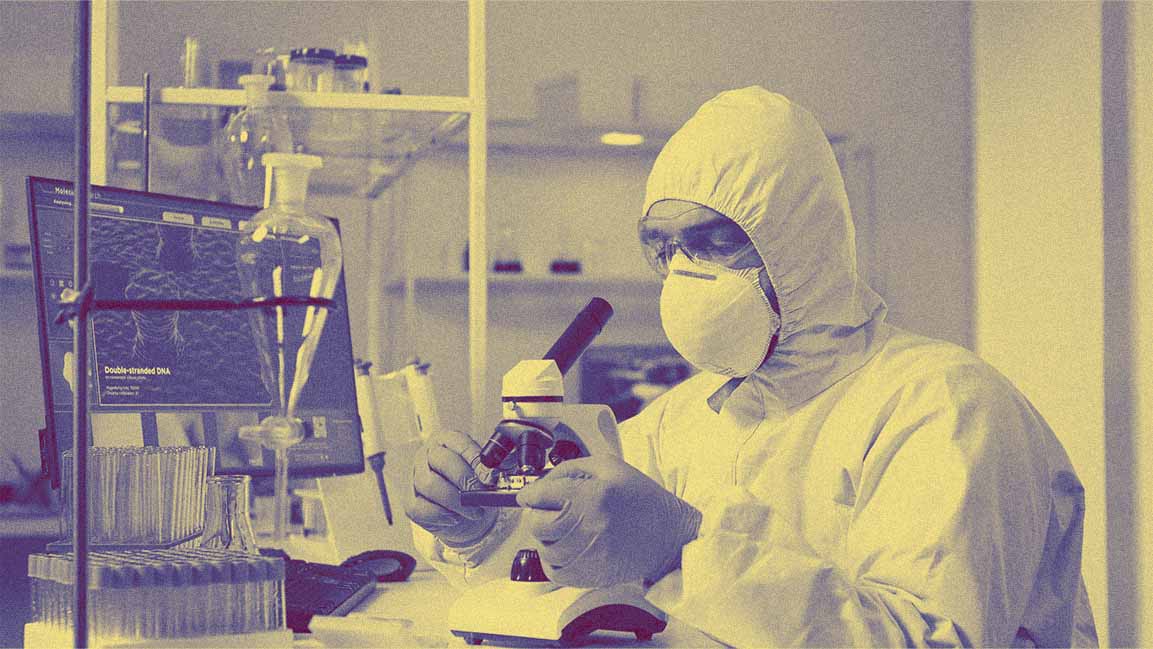


What looks like waste or simply an abundant feature of the UAE landscape could become part of the country’s clean-energy toolkit.
Researchers at United Arab Emirates University (UAEU) have developed a catalyst that combines desert sand, biochar made from date pits, and nickel for use in hydrogen production.
The material was tested in methane decomposition, where it achieved a methane conversion rate of 38% at temperatures between 500°C and 600°C. The researchers say the results offer early evidence of its potential, although further testing is needed to determine how well the catalyst performs over longer periods and whether it can be reused.
The study, published in the Journal of Alloys and Compounds, was conducted by researchers from UAEU’s Departments of Chemical and Petroleum Engineering and Chemistry, in collaboration with Abu Dhabi Polytechnic.
The research started with a simple question: could desert sand, an abundant local resource, serve as the base for a more useful material?
On its own, sand has relatively low catalytic activity. The researchers combined it with biochar produced from date pits and added nickel, which acts as the active component in the catalyst.
The team tested 30 different formulations to find the right balance between the three materials.
The optimal formulation contained 15% nickel, 42.5% desert sand, and 42.5% biochar.
According to the researchers, the biochar helped distribute the nickel more evenly across the sand and reduced the tendency of the metal particles to clump together. It also increased the material’s porosity and surface area, creating more sites where chemical reactions could occur.
The resulting catalyst demonstrated high hydrogen adsorption capacity and improved nickel dispersion compared with a catalyst made from sand and nickel alone.
The research also points to a second opportunity: putting agricultural waste to work.
Date pits are an abundant byproduct in the UAE and across the wider region. Converting them into biochar gives the material a role in a clean-energy process while reducing waste.
“This study demonstrates how locally available resources can be transformed into advanced materials with potential applications in clean energy,” said Prof. Mohammed Noor Al Tarawneh, co-researcher from UAEU’s Department of Chemical and Petroleum Engineering.
“By combining desert sand with date-pit waste, we developed a catalyst that is relatively simple to prepare, demonstrates promising performance, and offers opportunities for further development.”
Al Tarawneh said the approach could extend beyond the specific catalyst developed in the study.
The researchers plan to test how the catalyst performs over longer operating periods, whether it can be reused, and how it responds to different operating conditions. Those tests will help establish whether the material can move beyond laboratory research toward practical applications.
The work also reflects a broader shift in clean-energy research: finding ways to use materials that are already available locally, while reducing reliance on more expensive inputs.
For the UAE, where both desert resources and date agriculture are plentiful, the research offers an example of how two very different forms of local material could be combined into a technology aimed at the energy transition.

Featured Videos
Today's Top Stories:
More Top Stories:





FROM OUR PARTNERS