- | 10:00 am
Can your home help you live longer? SHA envisions a new future for wellness in the UAE
As longevity moves beyond wellness retreats, SHA founder Alfredo Bataller explores how healthier living is reshaping homes and communities.
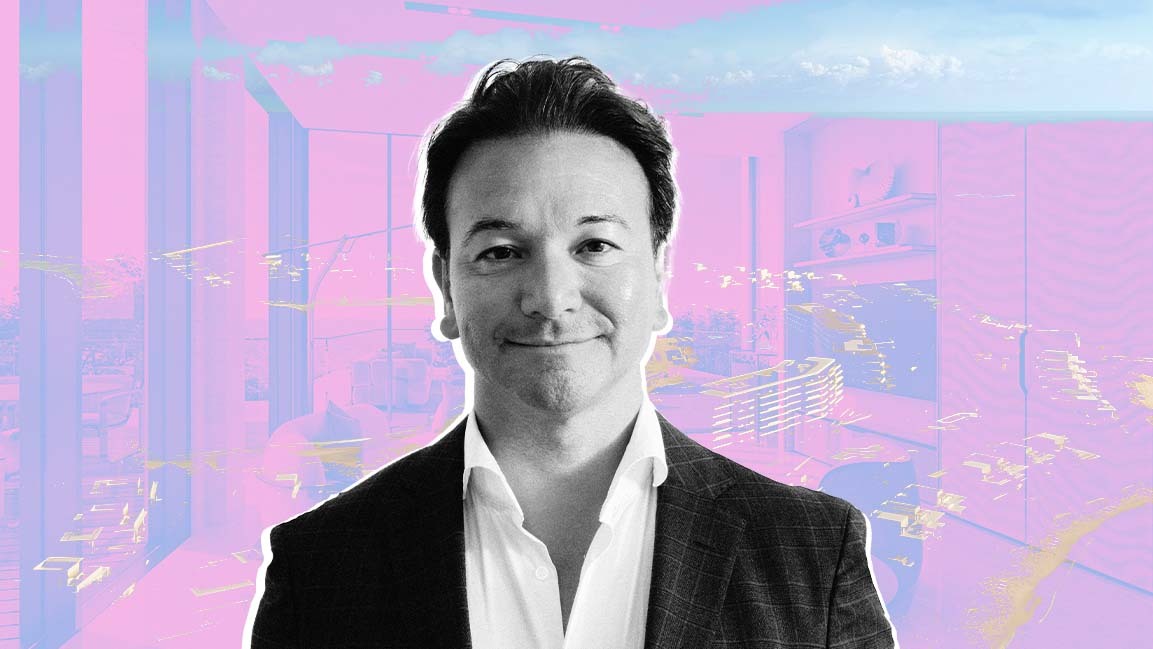


For decades, luxury living has been defined by location, architecture, and exclusivity. But what if the next measure of a desirable home is not its views or square footage, but its ability to support a longer, healthier life?
Living longer and healthier is no longer just about medical treatments or wellness retreats. It is also changing the way we think about our homes, the spaces we spend most of our time in, and how they can help us feel better every day.
From lighting designed to support natural sleep cycles to air purification systems and environments that encourage movement, the home is emerging as a new front for preventive health.
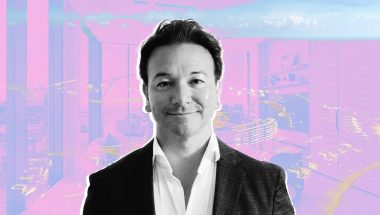
For Alfredo Bataller, CEO of SHA, the project reflects a bigger change in how people understand longevity.
“Longevity is increasingly being understood as more than extending lifespan. The focus is shifting towards health span, the years we spend in good health, with the ability to remain active, independent, engaged and performing at our best,” he says.
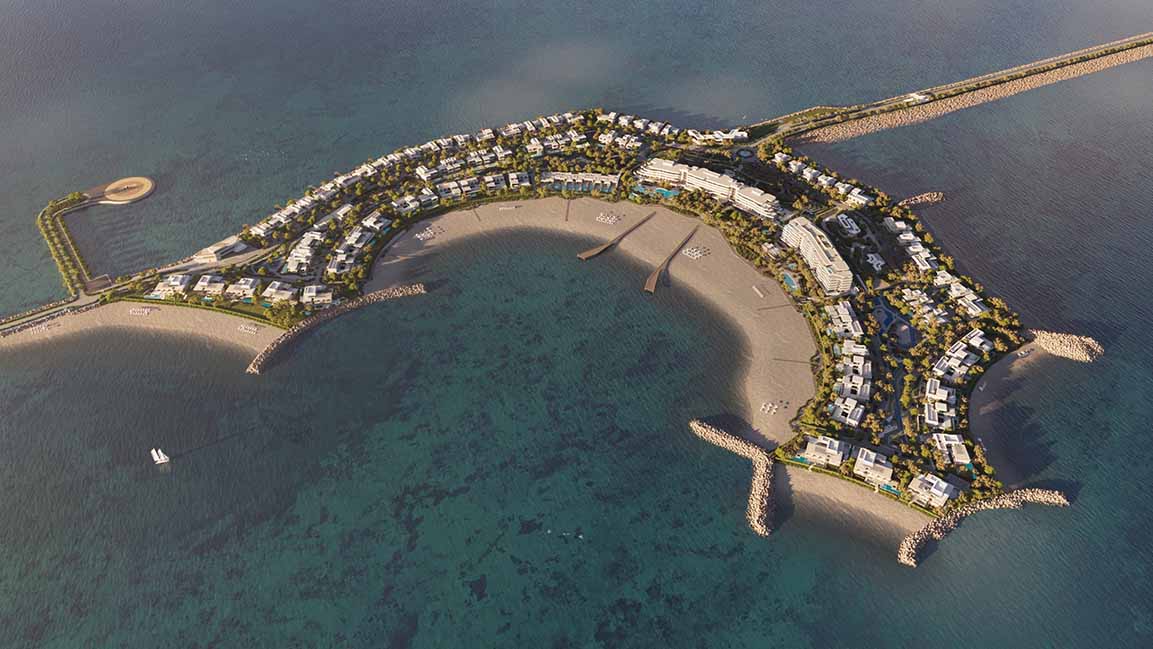
With completion and handover targeted for 2028, SHA Emirates is planned to include a health optimization resort, residences, medical expertise, nutrition, and spaces dedicated to movement and wellbeing.
But the more interesting question goes beyond a single development: Can the places we live in actually make it easier to stay healthy as we age?
MAKING WELLNESS PART OF EVERYDAY LIFE
For years, wellness and longevity have largely been something people make time for. Whether it is visiting a health retreat, following a fitness routine, or booking a medical consultation, maintaining good health often requires stepping away from everyday life.
Bataller believes the next step is to make health a more natural part of how people live. “The fundamental element is continuity,” he says.
At SHA, the approach to longevity has combined medical science, natural therapies, nutrition, movement, sleep, and emotional wellbeing.
The aim is to make healthier habits easier to maintain through access to healthcare, nutritious food, nature, and spaces that encourage movement and recovery. This also reflects changing expectations of what a home should offer.
As life expectancy increases, Bataller says people are thinking more about maintaining their independence, physical abilities, and cognitive health as they get older.
Bataller adds: “I believe the future of luxury residential development will be increasingly health-led and that the UAE will be a key global example of this,” he says.
“The highest standard of living will be defined not only by where people live, but by how their environment supports the way they live, perform and age.”
For the real estate industry, this raises the possibility of a shift in what makes a property desirable.
Alongside location, design, and amenities, a home’s ability to support healthier living could become an increasingly important consideration.
DESIGNING HOMES FOR BETTER HEALTH
A home can affect more than how comfortable we feel. From the air we breathe to the amount of natural light we receive, our surroundings can influence our sleep, stress levels, and daily routines.
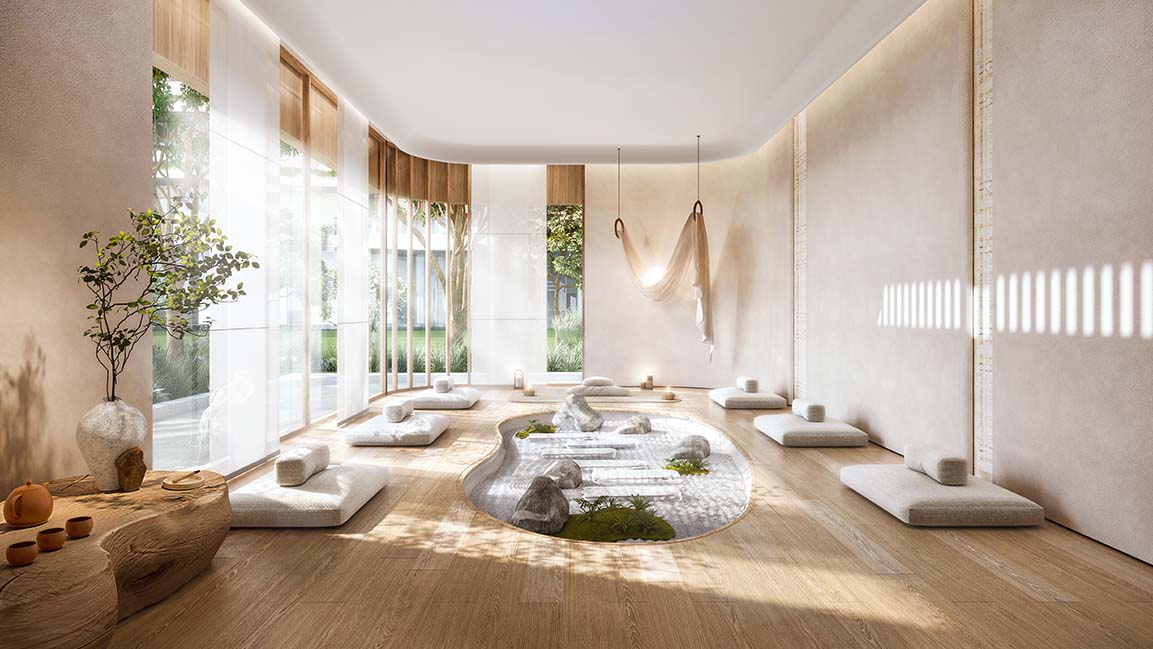
At SHA Emirates, this thinking is reflected in plans for residences that incorporate purified air, circadian lighting, acoustic control, and non-toxic materials.
These features are intended to work alongside access to nature, nutrition, physical activity, and personalized healthcare. For Bataller, however, creating a healthier environment is not simply about filling homes with the latest technology.
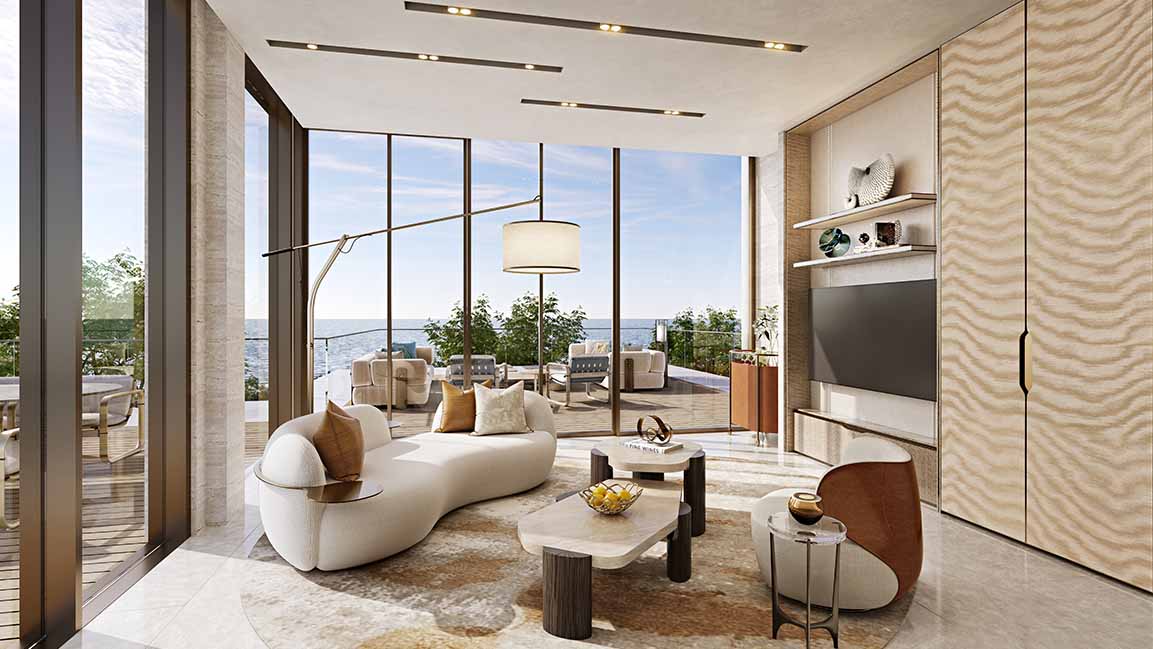
“The important point is that technology or individual features should not be introduced simply because they are innovative. They need to serve a meaningful purpose within a broader system designed to support health, performance and quality of life,” he says.
This raises an important question for developers: How much difference can wellness-focused design actually make to people’s long-term health?
While features such as lighting and air quality can help create healthier indoor environments, demonstrating their long-term effects on health outcomes is more complex.
Bataller argues that the value lies in bringing different elements of health together rather than treating each one as a separate solution.
Through the SHA Method, the company combines Western medical science and Eastern natural therapies with preventive medicine, anti-inflammatory nutrition, and physical and cognitive wellbeing.
“The objective is not to offer a collection of individual wellness interventions, but to create an integrated system in which each element reinforces the others and adapts to the individual over time,” he says.
At SHA Emirates, this approach is intended to extend across the residences, health optimization clinic, nutrition offerings, and spaces dedicated to movement and recovery.
HOW AI COULD CHANGE PREVENTIVE HEALTH
As interest in longevity grows, technology is also changing how people understand and manage their health. From tracking sleep patterns to monitoring biomarkers, digital tools are making it possible to build a more detailed picture of an individual’s health over time.
Bataller believes one of the biggest opportunities lies in using this information to make preventive care more personalized.
Rather than waiting for health problems to develop, the idea is to use diagnostics, health data, and expert guidance to identify potential risks earlier and help people make more informed decisions.
Artificial intelligence could play an important role in that process, particularly in interpreting large volumes of health data and identifying patterns.
But Bataller believes technology should support healthcare professionals, not replace the personal relationships people have with them.
“The ultimate objective is not simply to collect more data, but to use the right information to help people make better decisions and maintain their health and performance over time,” he says. “The most valuable technology will connect health data, diagnostics and expert guidance while giving experts and professionals more time for meaningful human interaction.”
“Personalization should become more precise without becoming less human,” he adds.
The challenge, however, will be ensuring that advances in health technology translate into practical improvements in everyday care, rather than adding more data and complexity to people’s lives.
THE FUTURE OF LONGEVITY LIVING
SHA Emirates marks a new direction for a brand that has spent almost two decades developing its approach to integrative health.
By taking that model beyond health retreats and into residential communities, SHA is exploring how longevity could become part of everyday living.
Developed at AlJurf, the project is described by SHA as the world’s first healthy-living island, bringing together residential properties, a health-optimization resort, and dedicated wellness facilities.
But can this model be expanded to other communities?
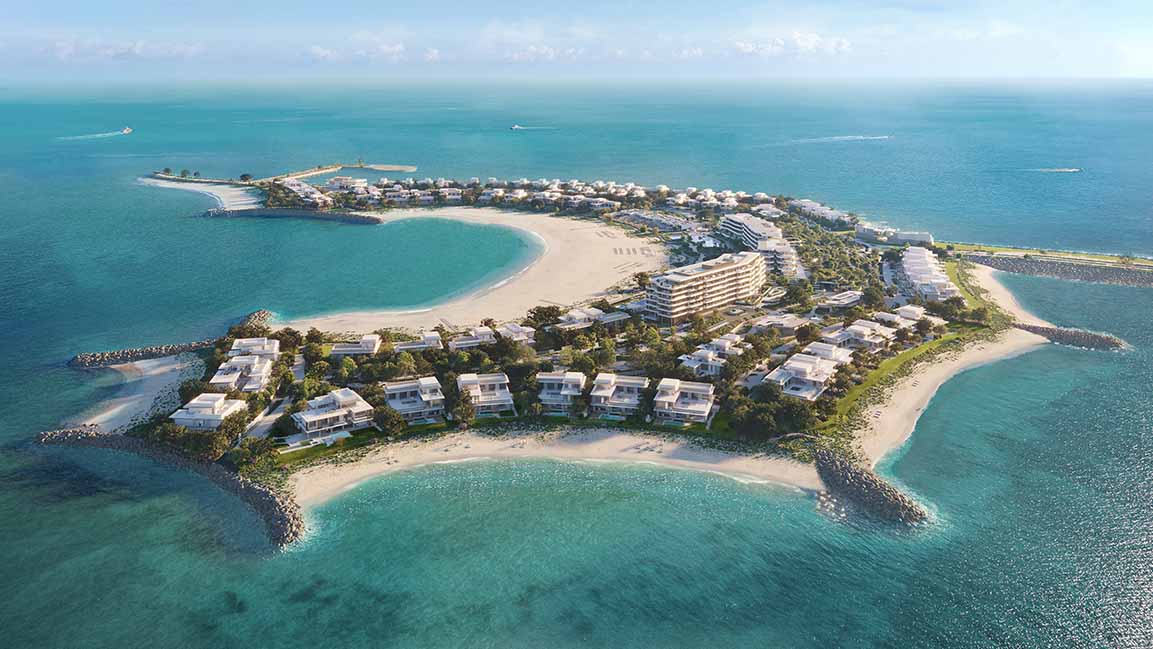
Bataller believes there is an opportunity to bring SHA’s approach to more people around the world, although he says future developments should reflect their individual locations rather than follow an identical blueprint.
“Growth must remain exclusive and purpose-led, preserving the SHA Method, expertise and philosophy while adapting the experience to each destination,” he says.
That approach also highlights a wider question surrounding the growing longevity industry.
As healthier living becomes part of the luxury real estate market, will these innovations remain exclusive to high-end developments, or could some eventually become standard features of homes and communities?