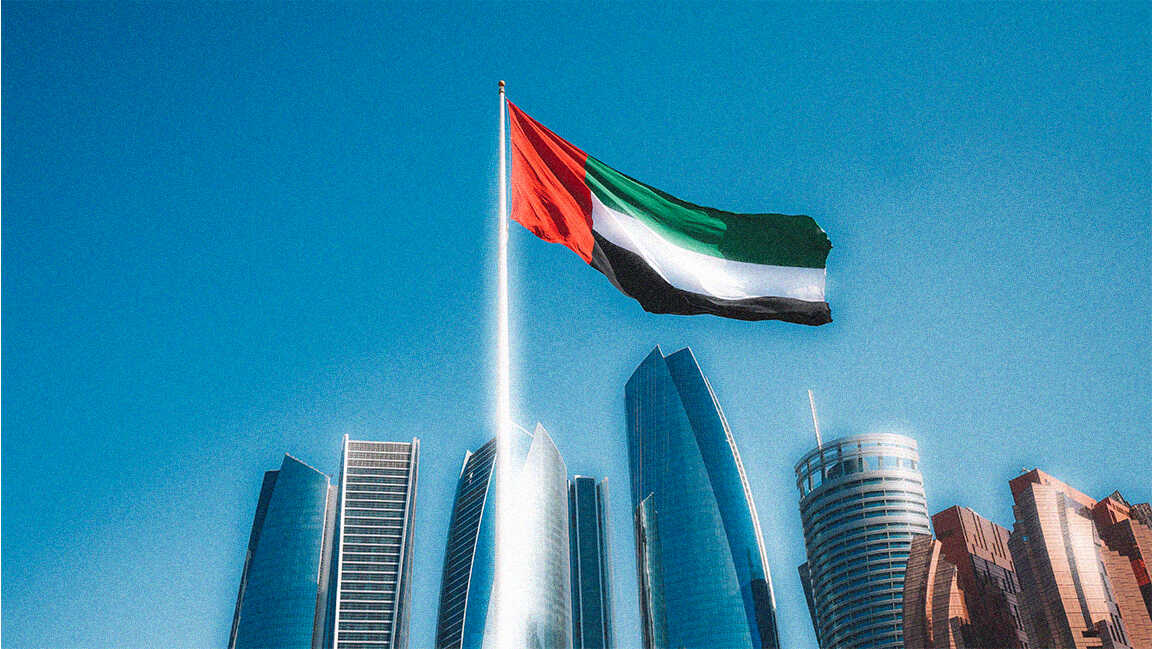
UAE-backed water challenge highlights two technologies tackling agricultural water scarcity
Two finalists are developing biodegradable soil materials and microbial solutions to help crops withstand drought, heat, and salinity while improving water efficiency.
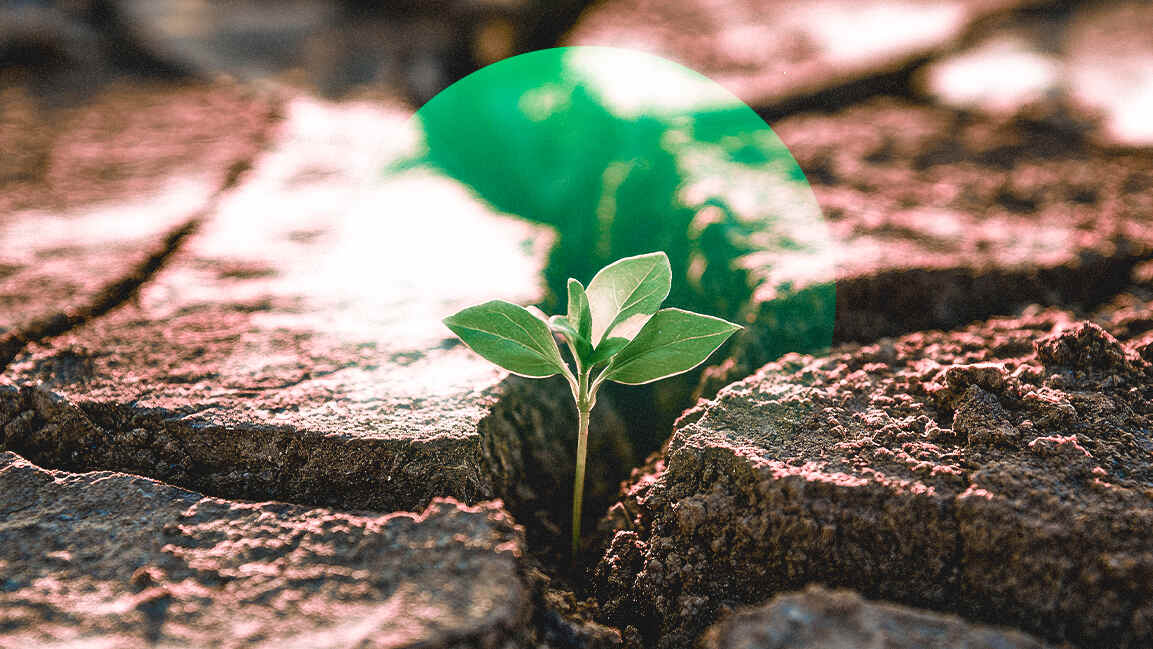


Two finalists in the Mohamed bin Zayed Water Initiative’s Al Miyah Challenge for Agriculture have demonstrated promising results in developing technologies that improve soil water retention and help crops withstand drought, heat, and salinity.
EF Polymer and M4Life, among six finalists participating in the challenge, are advancing different approaches to agricultural water efficiency. While EF Polymer converts fruit waste into biodegradable materials that retain soil moisture, M4Life uses beneficial microbes to strengthen root development and improve crop resilience, according to WAM.
EF Polymer has developed a superabsorbent polymer made entirely from inedible fruit residues, including orange peels, capable of absorbing up to 50 times its weight in water.
According to the company, field trials have demonstrated reductions in irrigation requirements of up to 40% and fertilizer savings of 20%.
Additional trials conducted in India’s arid Jaisalmer region, where sandy soils and saline irrigation water present agricultural challenges, recorded water savings of approximately 20% to 25% and average crop yield increases of 15% to 20%.
The company said the material helps retain moisture in deeper soil layers, allowing crops to maintain growth under drought conditions. The product remains effective for approximately six months before gradually biodegrading into organic matter.
Application costs vary by method, with surface broadcasting estimated at $16 to $18 per hectare per application.
Meanwhile, M4Life is developing biological solutions that use beneficial microbes sourced from extreme environments to improve crop tolerance to drought, heat, and salinity.
Through its proprietary BioTraining process, the company enhances the microbes’ ability to interact with plant roots, improve nutrient availability, and strengthen soil structure and water retention.
Its products, BIO.R and BIO.C, are liquid formulations that can be applied through seed treatments, soil applications, or existing irrigation systems without additional infrastructure.
According to M4Life, more than 100 field trials conducted across Argentina, including during the severe 2022–2023 drought, demonstrated crop yield increases ranging from 8% to 20%, averaging approximately 15%.
In the UAE, a sweet-corn trial at Silal Innovation Oasis recorded an 11% reduction in irrigation water compared with untreated crops, while treated plants maintained greener foliage and demonstrated stronger root development.
The company also reported improvements in soil aggregation and moisture retention, although final quantitative yield data from the UAE trial are still being evaluated.
The technologies highlight the potential of biodegradable materials and microbial solutions to address agricultural water scarcity, particularly in arid regions where high temperatures, salinity, and limited water availability constrain crop production.
The winner of the Al Miyah Challenge for Agriculture is expected to be announced during the 2026 UN Water Conference, scheduled to take place in Abu Dhabi this December.

Featured Videos
Today's Top Stories:
More Top Stories:

FROM OUR PARTNERS