GCC waste management market to surpass $104 billion by 2031
Across the six GCC countries, collected waste reached 283.5 million tons in 2024, up 20.4% from the previous year.
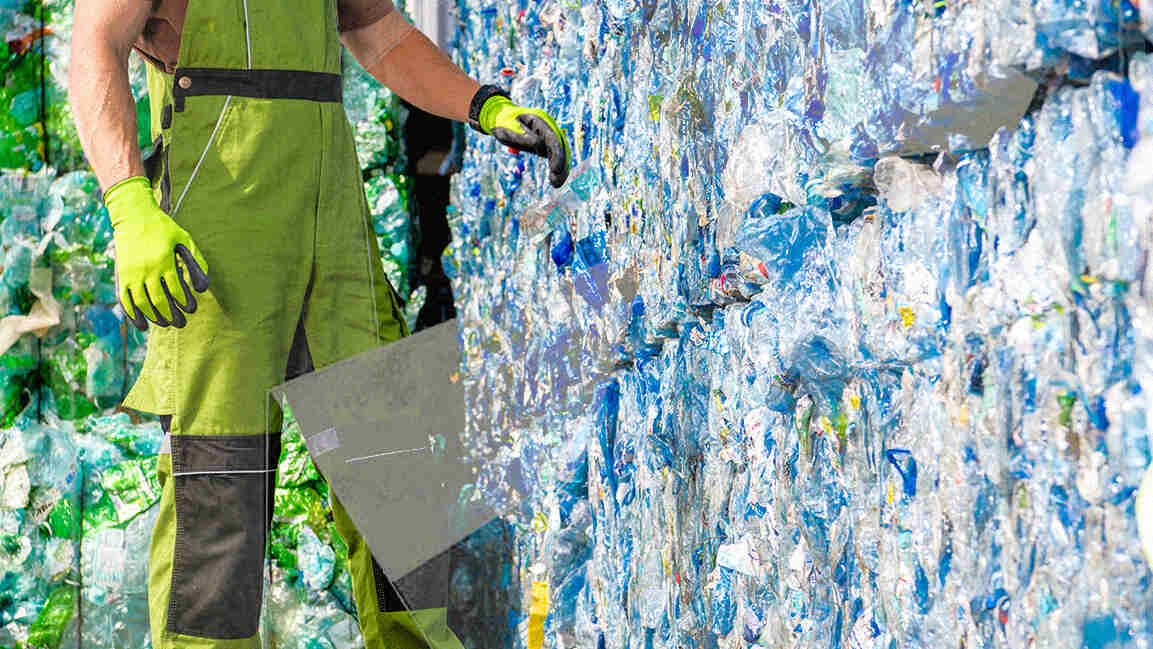


The Gulf Cooperation Council’s (GCC) waste management market is projected to exceed $104 billion by 2031, as governments increase investment in recycling, waste treatment and resource recovery.
The market is expected to grow from $68.3 billion in 2025 at a compound annual growth rate (CAGR) of 7.29% through 2031, according to a report by the GCC Statistical Center.
The projected growth reflects expanding investment opportunities as Gulf countries implement waste management strategies, increase recycling capacity and seek to recover resources from industrial and agricultural waste.
Saudi Arabia expects its recycling sector to generate around $170.6 billion in private-sector investment opportunities by 2040, while contributing an estimated $172.7 billion to gross domestic product (GDP), according to the Invest Saudi investment platform.
Dubai is also seeking to attract private investment through its Integrated Waste Management Strategy 2021–2041. The plan has a budget of $20.3 billion, including $19.2 billion in direct private-sector contributions, and covers waste treatment, recycling and waste-to-energy projects, according to the UAE government.
The GCC Statistical Center report also highlighted the region’s performance in sustainable waste management. The UAE, Qatar, Oman and Kuwait each scored 100 out of 100 in Yale University’s Environmental Performance Index for sustainable waste management. Bahrain scored 98.51, while Saudi Arabia recorded 92.27, the report said.
The UAE also led the region in agricultural waste collection, with 2.4 million tons, followed by Kuwait with 600,000 tons. Agricultural waste collection across the region recorded cumulative growth of 79.9% between 2017 and 2024, while the agricultural sector contributed $39.9 billion to GDP, according to the report.
Across the six GCC countries, collected waste reached 283.5 million tons in 2024, up 20.4% from the previous year. Of this total, 69 million tons were treated, representing a 6.2% increase compared with 2023.
The report identified further investment opportunities in hazardous industrial and medical waste treatment, materials recycling, metal recovery and used-oil processing as Gulf countries seek to expand waste treatment and resource recovery.

Featured Videos
Today's Top Stories:
More Top Stories:
FROM OUR PARTNERS