Egypt creates 16 farming communities in Sinai to boost food security
The program spans 16 communities, with groundwater infrastructure central to plans for housing, agriculture and jobs
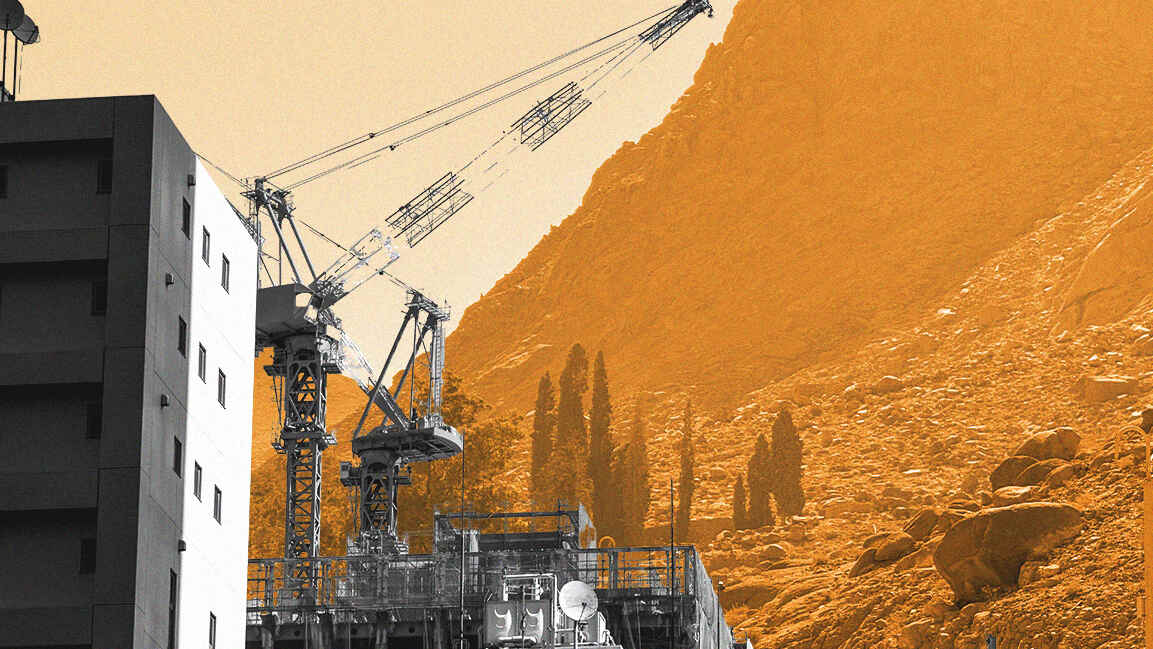


Egypt has established 16 residential and agricultural communities across its northeastern Sinai Peninsula, pairing homes with farmland to expand housing and employment opportunities.
Under the program, each beneficiary is allocated a 200-square-meter home and five feddans of agricultural land, according to the Ministry of Water Resources and Irrigation. A feddan is a land measurement used in Egypt, with five feddans equivalent to about 2.1 hectares.
The developments include 1,141 homes, alongside groundwater wells and pumping facilities to support farming. Work is continuing to complete infrastructure and bring more facilities into operation.
The program covers 10 communities in North Sinai, with 128 groundwater wells and 11 pumping stations serving around 4,900 feddans. The remaining six are in South Sinai, with 132 wells and 16 pumping stations intended to serve 5,250 feddans.
Together, their irrigation networks are designed to support approximately 4,260 hectares of farmland.
Authorities have provisionally taken over 137 wells and 13 pumping stations across 12 communities. These include nine communities in North Sinai and three in South Sinai.
Electricity has been connected to all wells handed over so far. Meter installation and other infrastructure work are continuing.
Water Resources and Irrigation Minister Hani Sewilam instructed officials to complete outstanding works and appoint specialized companies to operate and maintain the facilities.
The developments come as Egypt seeks to strengthen domestic food production and reduce its reliance on imports.
The country imported an annual average of about $16.4 billion in food between 2021 and 2023, according to UNCTAD’s State of Commodity Dependence 2025 report. Wheat, other grains and vegetable oils are among the staples underpinning that dependence.
In September, Agriculture Minister Alaa Farouk said food security and rural development were among Egypt’s top national priorities. The government is combining large-scale land reclamation with efforts to improve productivity through scientific research and digital technology, according to Egypt’s State Information Service.
In Sinai, however, expanding agricultural production also means managing a finite water supply. Sewilam called for tighter controls on non-renewable groundwater use and the creation of water-user associations to monitor pumping volumes and water quality.
Those measures will be central to keeping the new farmland productive and sustaining the livelihoods the communities are intended to create.
The ministry began operating and maintaining wells and pumping stations in North Sinai in November 2023. It has awarded two contracts covering equipment maintenance, operation and security at facilities in the Hassana and Nakhl areas. Four additional tenders are being prepared for security, maintenance and equipment supplies covering the two fiscal years through 2028.

Featured Videos
Today's Top Stories:
More Top Stories:
FROM OUR PARTNERS