
- | 12:00 pm
Abu Dhabi explores underground transport and utility tunnels with Elon Musk’s Boring Company
The agreement sets in motion plans to test how underground infrastructure can support the emirate's urban development



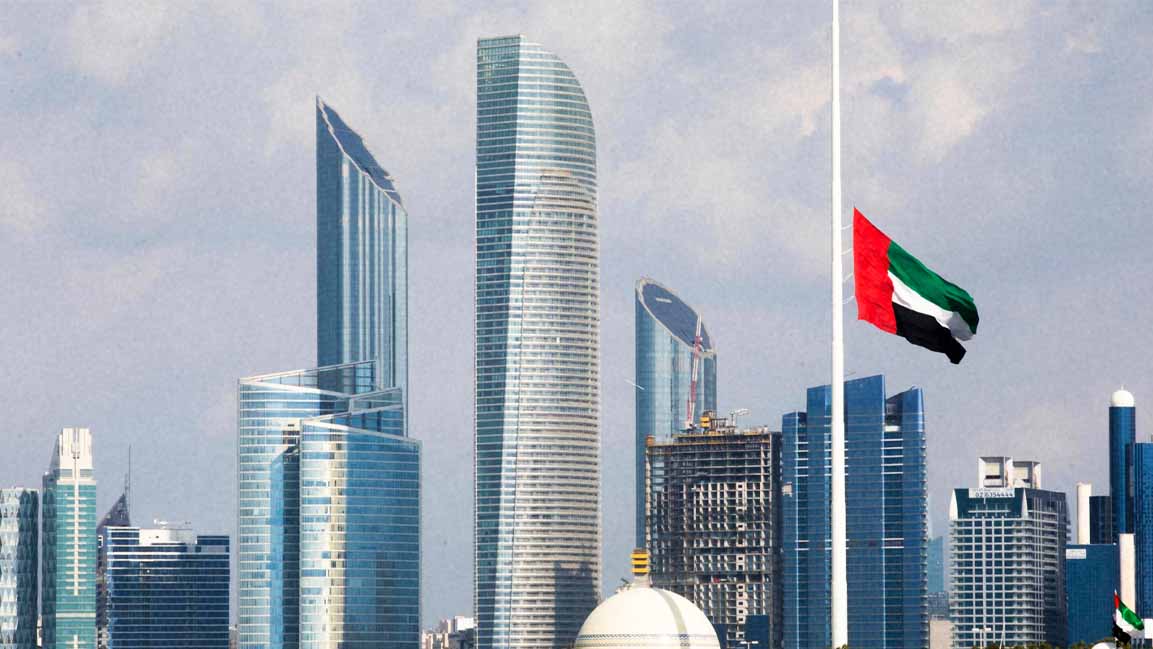
Abu Dhabi has partnered with Elon Musk’s The Boring Company to explore underground transport networks and utility tunnels across the emirate as part of efforts to improve connectivity and support future urban growth.
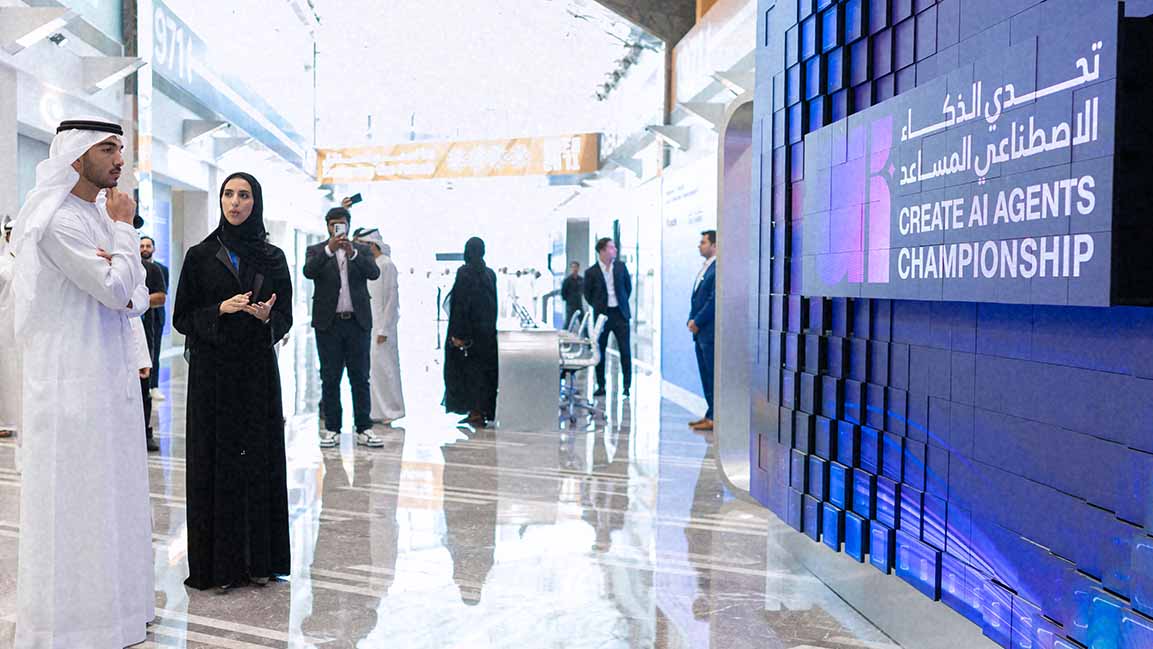
The US-based company signed an agreement with the Abu Dhabi Projects and Infrastructure Centre (ADPIC) during the Liveability and Investment Exhibition (LIVEX 2026) to assess the feasibility of underground infrastructure projects, including construction methods, safety standards and operational requirements.
Beyond passenger transport, the two organizations will explore how underground tunnels could accommodate utilities and other essential infrastructure. Digital engineering, automation and infrastructure lifecycle management will be explored within the study scope. Both organizations will assess feasibility, delivery structures and operational requirements before any project commitment.
Additionally, technical discussions will cover tunnel planning, boring technology, construction methods, safety standards, operations and maintenance.
Abu Dhabi authorities will use the work to test how underground infrastructure can increase urban capacity and strengthen connectivity. The agreement also includes local capability development.
The partnership comes as Abu Dhabi continues to expand its infrastructure to support population growth and economic development. ADPIC has played a key role in those efforts. It oversees an infrastructure portfolio exceeding $56 billion, managing government capital projects across Abu Dhabi and coordinating delivery in line with safety, quality and sustainability requirements. Meanwhile, the company’s infrastructure investment spans transport, housing, education, culture, and social assets.
His Excellency Eng. Maysarah Mahmoud Salim Eid, Director General of ADPIC, said the priority would now remain focused on exploring new approaches to strengthen connectivity and support sustainable urban growth in ways that meet the needs of future generations.
“Infrastructure is one of the most important enablers of economic growth, competitiveness and quality of life,” said His Excellency Eng. Maysarah Mahmoud Salim Eid, Director General of ADPIC.
“Our collaboration with The Boring Company provides an opportunity to explore advanced underground transportation and utility tunnel solutions, drawing on global expertise, technical innovation and international best practices to assess their potential role in supporting Abu Dhabi’s future infrastructure requirements and development priorities.”
Commenting on the partnership, Steve Davis, President of The Boring Company, said Abu Dhabi is “an ideal environment to explore the next generation of underground infrastructure solutions” and supported the emirate’s ambitious growth vision and strong commitment to advanced technologies.
“Through our collaboration with the Abu Dhabi Projects and Infrastructure Centre, we look forward to assessing how advanced tunneling solutions can create new possibilities,” he said.
The Boring Company, best known for its Loop underground transport system, uses electric vehicles to transport passengers through tunnels. In the UAE, the company is already working with Dubai’s Roads and Transport Authority (RTA) on Dubai Loop, a $544.6 million underground passenger transport network designed to connect key districts and reduce journey times.
The first phase will involve a 6.4km route with four stations linking Dubai International Financial Centre and Dubai Mall. Precast concrete operations for the project were already underway in July. Full alignment plans extend to 22.2 kilometres and 19 stations. RTA estimates total project cost at about $544.6 million (AED 2 billion), with an expected three-year implementation period.

Featured Videos
Today's Top Stories:
More Top Stories:



FROM OUR PARTNERS