
- | 1:00 pm
Kuwait scales robotic surgery with more than 1,300 procedures across five hospitals
Robotic-assisted and remote procedures are now being carried out across five hospitals and specialist centers
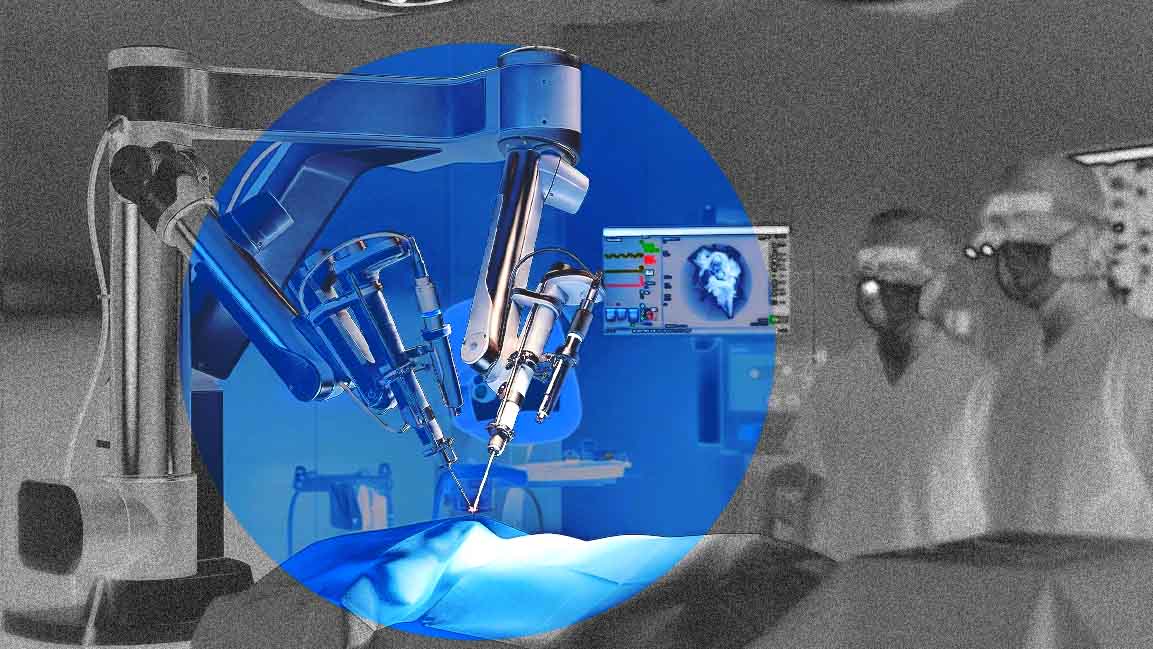


Kuwait is expanding the use of robotic and remote surgery across its healthcare system, with more than 1,300 robot-assisted procedures performed across five hospitals as the country builds its capabilities in advanced surgical care.
The procedures include 15 remote operations conducted at Sheikh Sabah Al-Ahmad Kidney and Urology Center, and robotic surgeries performed at Sheikh Jaber Al-Ahmad Hospital, Farwaniya Hospital, New Jahra Hospital, and Chest Diseases Hospital.
The technology uses advanced control systems that provide surgeons with high-definition, three-dimensional views of internal tissues and enable them to control surgical instruments with greater precision. The Ministry said the program is focused on strengthening the quality of care through trained national medical teams, modern equipment and safe clinical practices.
Sheikh Jaber Al-Ahmad Hospital has performed 1,145 robotic procedures since launching its program in 2019, with cases spanning urology, bariatric surgery, upper gastrointestinal surgery, hernia repair, colorectal and liver surgery, gynecology and obstetrics, and ear, nose and throat surgery.
The hospital’s orthopedic surgery department began robot-assisted procedures in January 2024 and has performed more than 115 cases using the technology.
New Jahra Hospital has also expanded its use of robotic surgery since performing its first procedure in April 2025. The program had reached 155 operations by September 6, 2026, including 100 procedures completed within its first six months.
At Chest Diseases Hospital, robotic technology has been used in thoracic and cardiac surgery, with 30 thoracic and 25 cardiac procedures performed.
The Ministry of Health is also expanding remote robotic surgery, allowing specialist surgeons to perform procedures on patients in another location through digitally connected surgical systems.
The Sheikh Sabah Al-Ahmad Kidney and Urology Center has completed 15 remote robotic procedures since launching the program in December 2024. Twelve involved international collaboration and three were domestic operations.
The international procedures included eight performed remotely from Shanghai, China, two from Strasbourg, France, and one each from Muscat, Oman, and Padua, Italy. Patients remained at the center in Kuwait under the care of the medical team present with them.
In September 2025, a Kuwaiti medical team at Sheikh Jaber Al-Ahmad Hospital performed surgery remotely on a patient at Cruz Vermelha Hospital in Brazil, while a Brazilian team subsequently performed a procedure on a patient in Kuwait.
The two procedures took place over a distance of 12,034.92 kilometers and were recognized by Guinness World Records for the longest distance between a patient and surgeon.
According to the Ministry of Health, expanding robotic and remote surgery will require investment in equipment, training, maintenance and digital infrastructure. Reliable connectivity, data protection and systems that can operate safely and consistently are particularly important when procedures are performed remotely.
Patient consent is also a key part of the process. Healthcare teams should explain how the robotic system works, where the surgeon is located, who is responsible for the patient, and the potential benefits, risks, and alternatives.
The development of robotic surgery and remote surgical applications comes as Kuwait seeks to strengthen its position as a regional hub for advanced medical services.

Featured Videos
Today's Top Stories:
More Top Stories:




FROM OUR PARTNERS