KAUST launches world’s largest coral restoration facility in Saudi Arabia
The initiative aims to restore more than two million corals across 100 hectares of reef at Shushah Island by 2030.
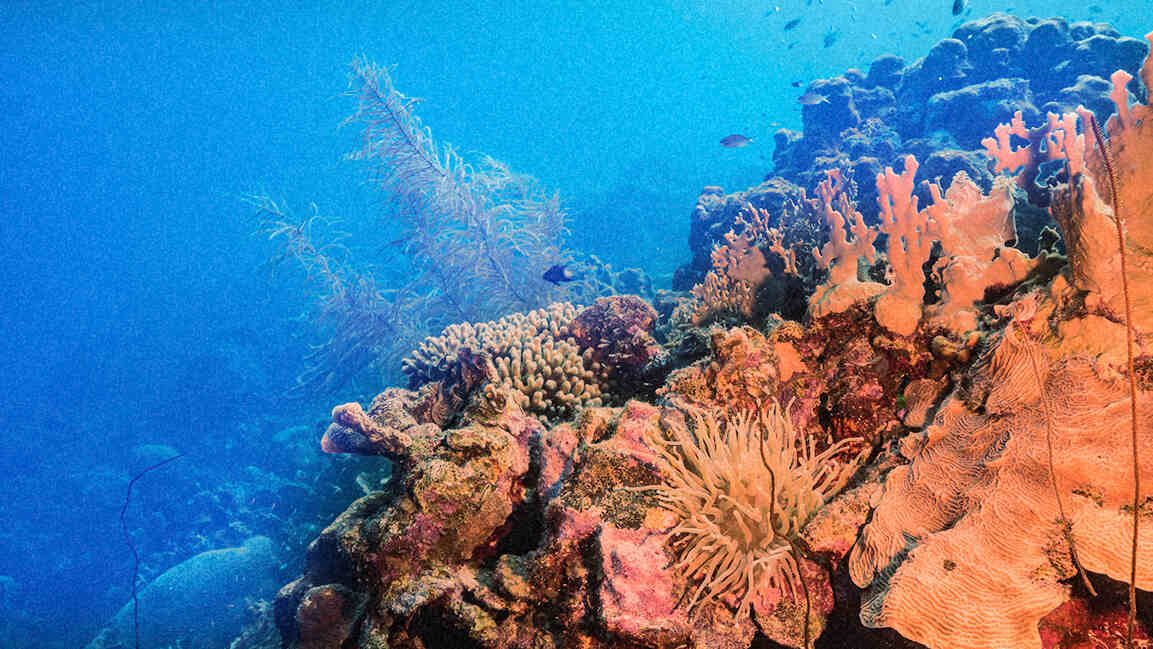


King Abdullah University of Science and Technology (KAUST) has launched a large-scale coral restoration facility on Saudi Arabia’s Red Sea coast, with the capacity to produce up to 360,000 corals annually.
The KAUST Coral Restoration Initiative (KCRI), a land-based nursery and research campus, is now cultivating corals at scale. The initiative aims to support the restoration of more than two million corals across 100 hectares of reef at Shushah Island by 2030, with the longer-term goal of establishing a resilient reef ecosystem by 2040, the Saudi Press Agency (SPA) reported.
Announced at COP31 in Antalya, the facility is described as the world’s largest coral restoration center. Its launch comes amid mounting pressure on coral reef ecosystems worldwide.
Between 2023 and 2025, the fourth global coral bleaching event affected more than 84% of the world’s reef area, making it the most extensive and severe event on record, according to the US National Oceanic and Atmospheric Administration (NOAA).
KAUST said the Red Sea provides a suitable environment for coral restoration research, as its corals have adapted to some of the highest water temperatures and salinity levels found in the world’s oceans. Studying these species could help researchers identify ways to improve coral resilience in other regions.
KCRI combines native Red Sea coral species with KAUST’s marine science research to develop methods for cultivating corals at scale and improving their tolerance to higher water temperatures before reintroducing them to natural reef environments.
The initiative also draws on the expertise of the Coral Research and Development Accelerator Platform (CORDAP), an international organization focused on advancing scientific and technological solutions for coral reef conservation and restoration.
According to senior university officials, KCRI integrates four components: a large-scale land-based coral nursery, sea-based nurseries, more than 50 research programs covering areas such as coral probiotics, heat-resistant species, robotics and AI-driven modelling, and eCoral, an AI-powered digital twin designed to guide coral planting and monitor reef conditions.
Saudi scientists, divers and aquarists are also contributing to the initiative, developing specialized expertise in coral cultivation, marine science and reef restoration, university officials said.
Beyond its restoration targets, KCRI is intended to strengthen Saudi Arabia’s long-term marine science capabilities and build local expertise in coral conservation and ecosystem management.

Featured Videos
Today's Top Stories:
More Top Stories:

FROM OUR PARTNERS