Middle East wellness tourism spending jumps 21.5% as global market hits $7.5 trillion
The region led global wellness growth, expanding 9.7% annually, as developers, hotels and health providers turn prevention and longevity into an economic opportunity


The Middle East and North Africa recorded the fastest growth in wellness-tourism spending worldwide last year, rising 21.5%, as the region’s push into luxury travel, healthier living and preventive care gathers pace.
The wider wellness economy in the region has also seen significant growth, expanding at an average annual rate of 9.7% since 2019 — faster than any other market worldwide, according to the Global Wellness Institute.
The growth comes as the global wellness economy reached a record $7.5 trillion in 2025, up 8.9% from the previous year. It is expected to reach $8.2 trillion by the end of 2026 and grow to $10.9 trillion by 2030.
For the Middle East, the figures point to a shift in how wellness is being positioned. It is no longer confined to spas, retreats and hotel packages, but rather synonymous with the region itself. Beyond tourism, it is becoming part of the region’s real estate, healthcare, and urban-development strategies.
“While it may seem like we’ve reached ‘peak wellness,’ the reality is that the wellness economy will continue to explode over the next five years, because this growth is not simply a consumer trend,” said Katherine Johnston, a senior research fellow at the Global Wellness Institute.
Wellness real estate is now the fastest-growing segment of the global market. It expanded 23.2% between 2024 and 2025 and has grown 3.5 times larger than in 2019.
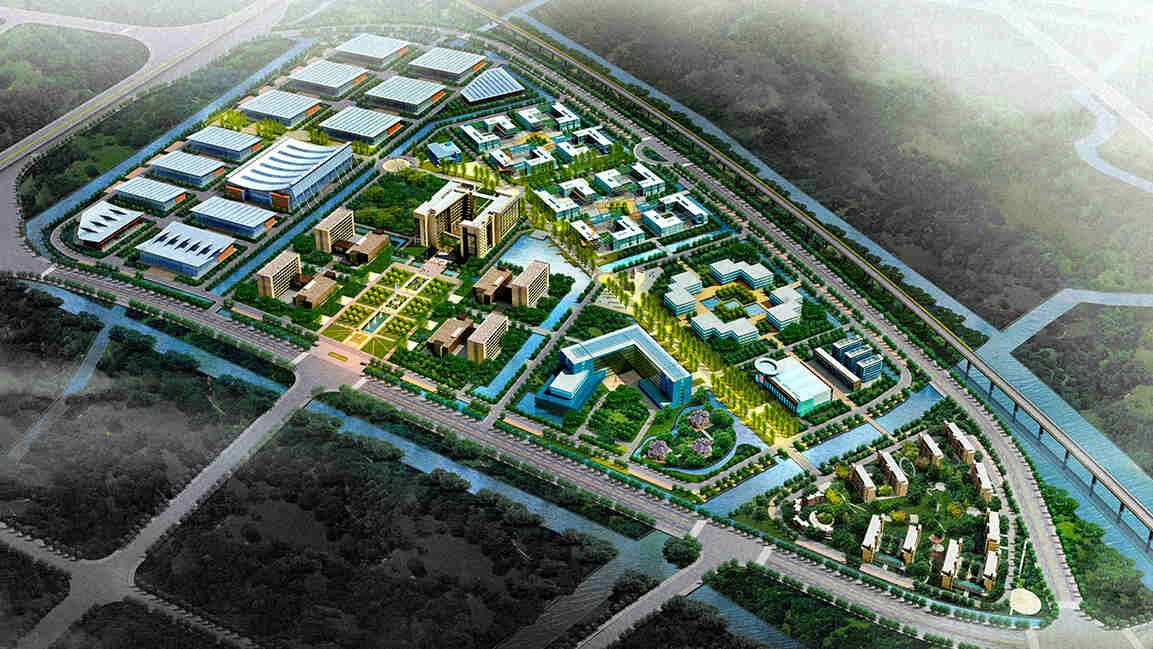
The sector includes homes, communities and commercial developments designed around features such as walkability, green space, air quality, fitness facilities and access to health services. It is projected to remain the fastest-growing wellness category through 2030, when it is expected to more than double in size.
That trend fits squarely with the Gulf’s development model. As cities build new districts and resort communities, wellness is becoming part of the pitch alongside location, luxury and amenities. The value lies not only in a gym or a spa, but in the promise that the wider environment supports a healthier life.
Mental wellness is another major driver. The sector grew 11% year on year as consumers spent more on sleep, stress management, meditation and mental-health services. Spas grew 12.8%, while wellness tourism rose 11.4% globally.
The Global Wellness Institute argues that the market’s expansion is being driven by more than just hype.
“Powerful structural forces across every region of the world will accelerate demand in the coming years: rapidly aging populations, overburdened healthcare systems, and rising rates of chronic disease, stress, and mental health challenges. These pressures make prevention, health-span and healthy living environments more critical than ever,” Johnston said.
Wellness now accounts for 6.36% of global GDP, up from 4.3% in 2013. By 2030, the institute expects it to represent 7.21% of global output.
The fastest-growing segments through the end of the decade are expected to be wellness real estate, mental wellness, thermal and mineral springs, and traditional and complementary medicine. Seven wellness categories, including physical activity, wellness tourism and healthy eating, are forecast to surpass $1 trillion in value.
For Middle Eastern markets investing heavily in tourism, real estate and healthcare, wellness is becoming more than a lifestyle trend. It is emerging as a way to build industries around the question consumers are asking with greater urgency: not simply how long they will live, but how well.

Featured Videos
Today's Top Stories:
More Top Stories:
FROM OUR PARTNERS