- | 1:00 pm
UAE advances projects covering 430 million square metres and serving 3 million residents by 2040
From water, roads and drainage to business zones and real estate, the UAE is accelerating projects designed to improve quality of life and support long-term growth.
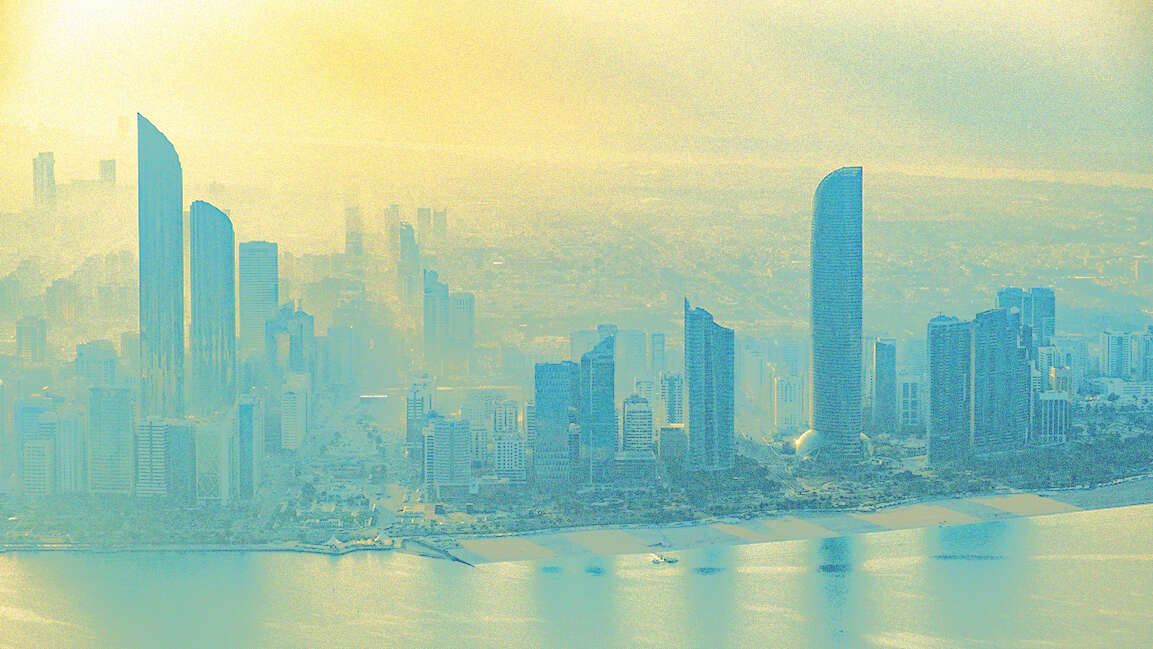


The UAE is accelerating infrastructure development across sectors in 2026, with a wide range of projects aimed at improving the quality of life, strengthening public services, and supporting sustainable economic growth.
These projects span energy, water, transport, roads, urban development, and economic zones, reflecting a broader national strategy focused on advanced technologies, efficient delivery, and integrated infrastructure systems.
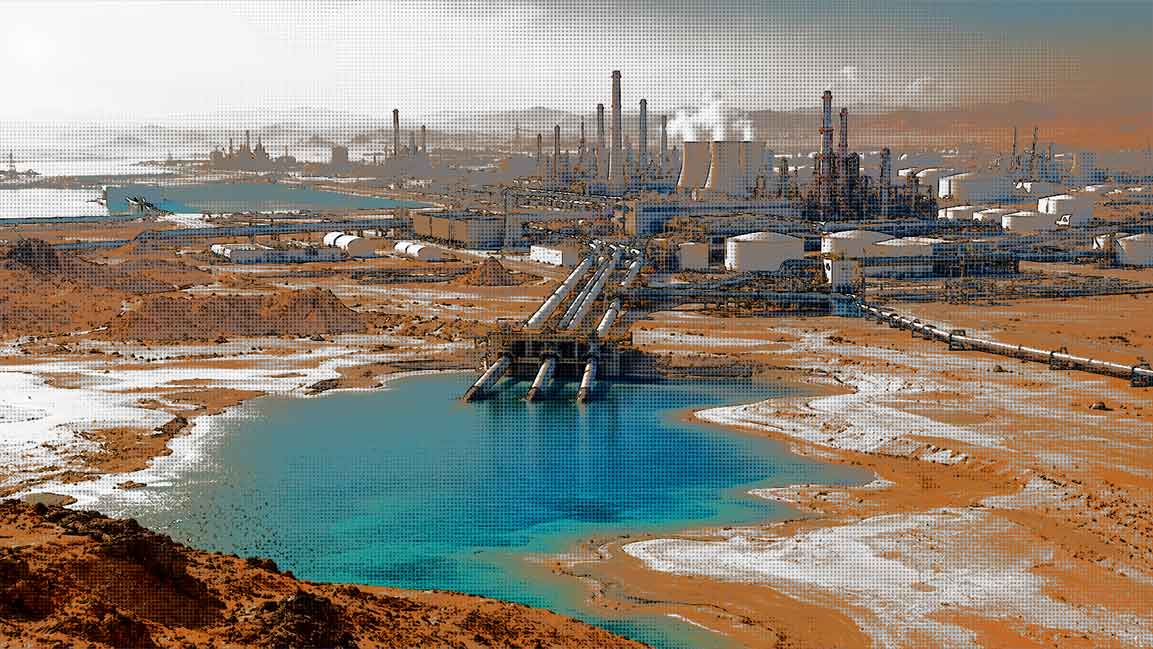
In the energy and water sector, the Ministry of Energy and Infrastructure has launched the first phase of a program designed to reduce energy and water consumption in government buildings.
The initiative begins with Abdullah bin Omran Hospital in Ras Al Khaimah and will cover 60 facilities through investments totaling AED120 million ($32.6 million).
A second phase is expected to expand the program to 360 government buildings at a cost of $272.3 million, in partnership with the private sector.
Meanwhile, Emirates Water and Electricity Company has received multiple bids for the 3.3 gigawatt Al Nouf 1 Independent Power Producer project, which is expected to become the largest of its kind in the country.
The project is located within the new Al Nouf complex in Abu Dhabi, which is designed as EWEC’s latest strategic energy site to accommodate advanced power generation technologies and low-carbon reverse-osmosis desalination.
The government of Ras Al Khaimah has also signed a long-term wastewater treatment agreement with a consortium comprising Etihad Water and Electricity, TAQA Water Solutions, and Saur International Water Services.
The agreement covers the development of a wastewater treatment plant with a capacity of 60,000 cubic meters per day, which is expected to serve nearly 300,000 residents upon completion.
In Dubai, authorities have announced projects to upgrade sewerage and stormwater drainage networks in Al Quoz Creative Zone at a cost of $68 million, as part of a broader $136.1 million infrastructure plan.
The emirate has also awarded five contracts under the second phase of the Tasreef program to expand the stormwater drainage network.
Valued at $680.7 million, the program will cover 30 key areas spanning 430 million square meters and is expected to serve an estimated population of 3 million by 2040.
Dubai Municipality has also completed 36 percent of the Deira stormwater drainage project, which is valued at $136.1 million. The project serves 13 areas across 4,700 hectares through 60 kilometers of drainage networks and is scheduled for completion by the end of 2027.
In Sharjah, the Electricity, Water and Gas Authority has increased water supply capacity in Kalba from 6 million to 9 million gallons per day.
The authority has also integrated desalination plants, transmission lines and distribution networks into a unified operational system to improve efficiency and responsiveness.
Road and transport projects continue to advance across the country. Dubai’s Roads and Transport Authority has installed 726 modern bus shelters, upgraded marine transport waiting areas and developed three integrated truck rest areas with capacity for 490 heavy vehicles in line with international safety standards.
The authority has also awarded the second phase of the Hessa Street development project. The project covers 3 kilometers and includes three major intersections through bridges extending 8,835 meters, along with a 480-meter tunnel. It is expected to serve 10 residential and development areas and benefit around 650,000 residents.
In Umm Al Quwain, the Municipality Department has completed the first phase of its internal roads network project, extending 30.74 kilometers.
Meanwhile, Ajman has inaugurated the Al Tallah Road development project, which includes an 800 metre bridge on Sheikh Mohammed bin Zayed Road and a 1,100 metre bridge on Sheikh Zayed Road.
Urban and real estate projects are also gaining pace as the UAE looks to build more integrated and sustainable cities.
In Sharjah, work has begun on a new exhibition and conference project that will host the Sharjah International Book Fair in 2027. The project is valued at $136.1 million.
Dubai has also announced expansion projects in Dubai Silicon Oasis worth $3.48 billion.
At the same time, the emirate has unveiled plans to expand the Dubai International Financial Center, with a total floor area of 17.7 million square feet valued at $27.2 billion. Dubai has also launched the Liwan Oasis eco-leisure project.
In Ajman, the Masfout Gate project has been inaugurated to improve connectivity and quality of life in mountainous areas by creating integrated, safe walking trails.
Economic zones are also attracting new investment. Khalifa Economic Zones Abu Dhabi has secured five industrial and logistics projects in Abu Dhabi and Al Ain, valued at $40 million. The projects are expected to create 500 jobs.
Meanwhile, Ras Al Khaimah Economic Zone has marked the groundbreaking of a new storage facility spanning 5,839 square meters, with a projected capacity of 12,000 cubic meters.
Together, these projects underscore the UAE’s continued focus on building resilient infrastructure, improving service efficiency, and creating the foundations for long-term sustainable growth.

Featured Videos
Today's Top Stories:
More Top Stories:

FROM OUR PARTNERS