Ras Al Khaimah has a bigger tourism ambition. It wants the sector to drive 30% of its economy
Tourism leaders at World Travel Market (WTM) London emphasized infrastructure investment, public-private partnerships, and community involvement as key to long-term growth.
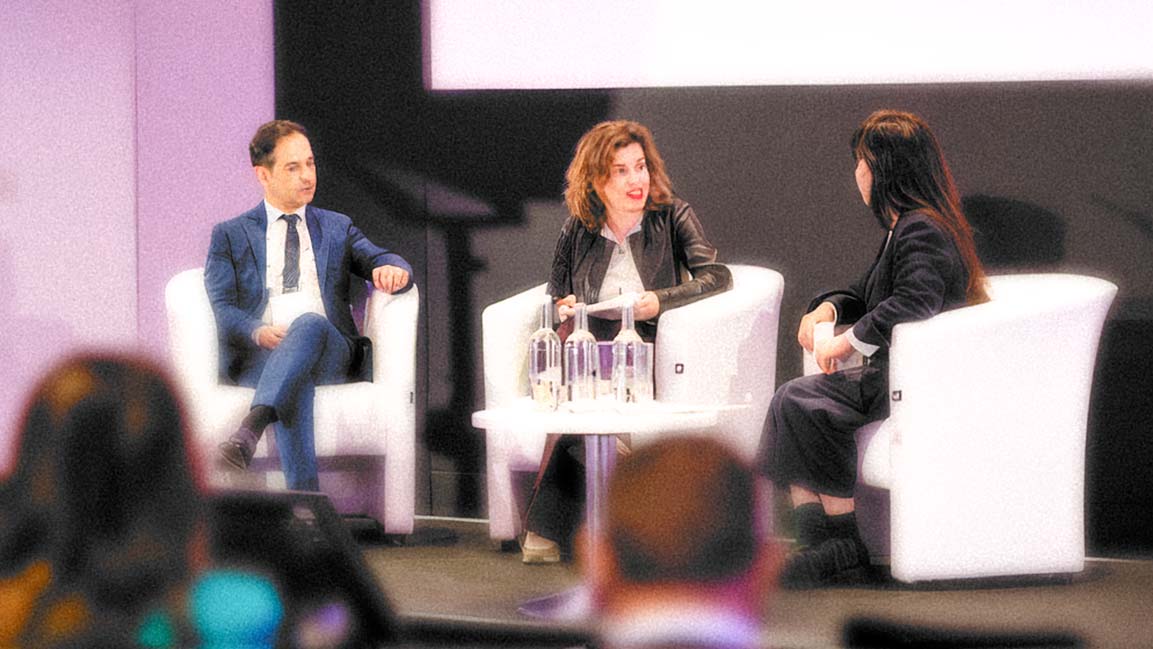


Ras Al Khaimah aims to increase tourism’s contribution to its economy from 5% to as much as 30% over the next decade, as the emirate steps up efforts to attract investment, develop infrastructure, and create opportunities for local communities.
Speaking at the inaugural Leaders’ Summit at World Travel Market (WTM) London, Phillipa Harrison, chief executive of the Ras Al Khaimah Tourism Development Authority, said the emirate is targeting a tourism contribution of between 20% and 30% of GDP within the next five to 10 years.
The ambition forms part of a broader tourism development strategy supported by a long-term masterplan extending to 2040, with public-private partnerships and community engagement playing a central role.
“We need to attract more talent… and make sure locals have opportunities,” Harrison said, emphasizing the importance of developing cultural experiences that benefit residents while appealing to international visitors.
She also highlighted the emirate’s economic resilience amid regional tensions, arguing that international perceptions of the Middle East do not always reflect conditions on the ground.
Despite regional tensions that have weighed on tourism across the Middle East, Harrison pointed to Ras Al Khaimah’s economic resilience and strong infrastructure as key factors in maintaining stability amid what she described as “trying times.”
“There is a huge gap between perception and reality in the Middle East,” she said. “The Middle East is confident and looking to the long term,” she added.
The discussions at WTM London reflected a broader push among destinations to strengthen tourism infrastructure and attract private capital, even as inflation, energy costs, and geopolitical uncertainty continue to weigh on the global travel industry.
Ahmed Youssef, chief executive of the Egyptian Tourism Authority, said tourism remains central to Egypt’s economy, with significant investment in infrastructure to support its growth.
According to Youssef, Egypt has invested the equivalent of 20% of GDP in infrastructure in recent years, including airports, transport infrastructure, and renewable energy projects.
Among its major developments is a planned $3.5 billion expansion of Cairo International Airport, aimed at doubling its annual passenger capacity to around 70 million upon completion.
Youssef said the investments are helping support tourism growth, with visitor numbers rising by approximately 5% in 2026 despite regional challenges.
Gloria Guevara, president and chief executive of the World Travel & Tourism Council (WTTC), added that closer collaboration between governments and private investors would be essential to turning tourism ambitions into sustainable economic growth.
She reiterated the council’s investment priorities, including regulatory stability, legal certainty, investment incentives, government commitment, and long-term development plans.
The priorities also emphasize the importance of involving stakeholders and demonstrating sustained market demand to attract investment.
Beyond major infrastructure projects, speakers highlighted the role of local communities in creating tourism experiences that deliver lasting economic and social benefits.
Beyond infrastructure investment, the summit also explored how destinations can make travel more inclusive, with Spain highlighting its Spain For All initiative, launched in 2024 to improve accessibility for travelers with disabilities.
Jesús Ruiz, head of sustainability and impact at the Spanish Tourist Office, noted how seemingly minor obstacles, from inadequate signage to a single step, can create significant barriers for travelers.
“Spain For All can help develop a roadmap for the whole industry and share good ideas, good examples and models that can be replicated,” Ruiz said.
Barbara Couto, chief marketing officer at Turespaña, also emphasized the role of content creators in bringing accessible travel experiences to life, showing how destinations can be explored and enjoyed through different senses.

Featured Videos
Today's Top Stories:
More Top Stories:


FROM OUR PARTNERS