400 young Arabs to explore emerging business opportunities through new economy program
The curriculum covers four areas: Emerging technologies, digital labor markets, sustainable economies, and creative industries.
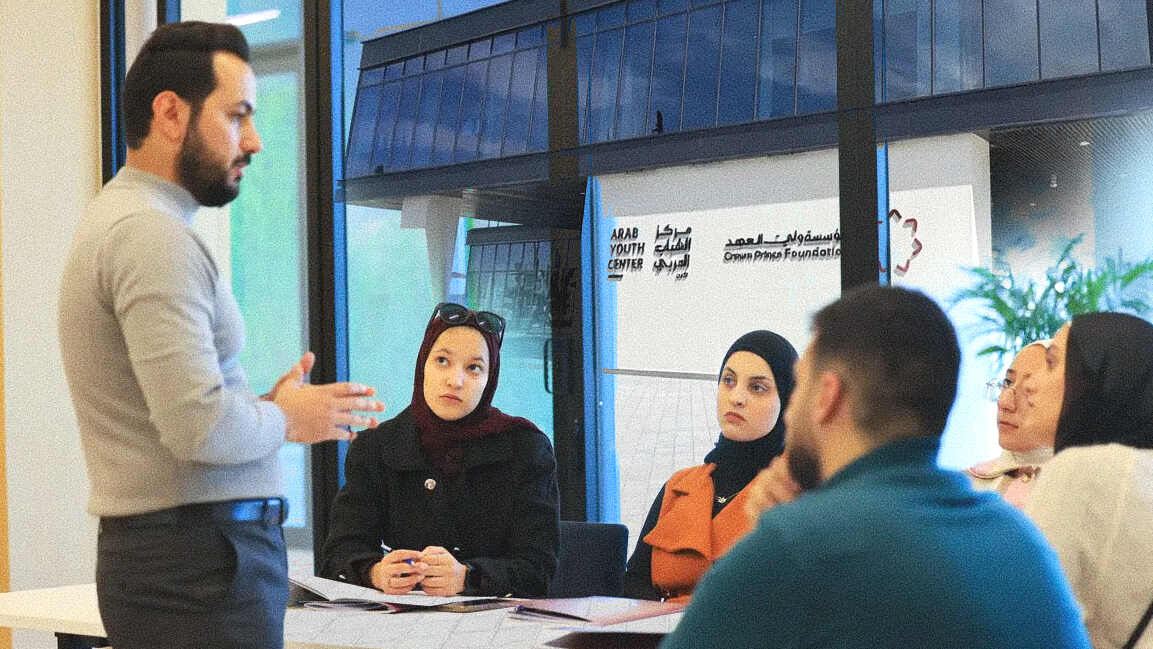


The Arab Youth Centre (AYC), in partnership with the New Economy Academy (NEA), has launched the New Economy Program 2026, a training initiative targeting 400 young Arabs to explore how technology, sustainability and creativity are reshaping businesses and labor markets.
The first cohort of 100 participants began training on November 3, marking the start of four online cohorts delivered in Arabic throughout the month. The program brings together young people from across the Arab world to examine how economic changes are influencing career opportunities, skills requirements and entrepreneurship.
The training focuses on emerging business opportunities, including how digital platforms help businesses and independent professionals reach customers, how resource efficiency supports new business models, and how culture and creative content generate economic value. Participants will also examine changing income sources and labor market demands.
Fatima Al Hallami, executive director of AYC, said the initiative aims to equip young Arabs with the knowledge to understand economic shifts, make informed career decisions and establish businesses that address community needs.
NEA will deliver the program through specialist trainers and industry experts, combining economic concepts with practical discussions of their applications across different sectors.
The curriculum covers four areas. The first examines the foundations of the new economy, including the role of data, artificial intelligence, blockchain and digital infrastructure in transforming business operations and service delivery. It also explores financial innovation, inclusion, research and development, and human capital.
The second focuses on technology’s impact on industries and labour markets, including the growth of platform-based businesses and the gig economy, and how digital networks are changing access to customers, services and income opportunities.
The third explores the green and circular economies, resource efficiency and the AI economy, with a focus on sustainability and the governance and ethical use of technology.
The fourth examines the experience and creative economies, including how culture, creative content and consumer experiences generate economic value and support business growth.

Featured Videos
Today's Top Stories:
More Top Stories:


FROM OUR PARTNERS