Dubai International Airport handles 50.4 million guests in first nine months of 2026
Passenger numbers fell 28.1% year over year in the first nine months and 22.1% in the third quarter.
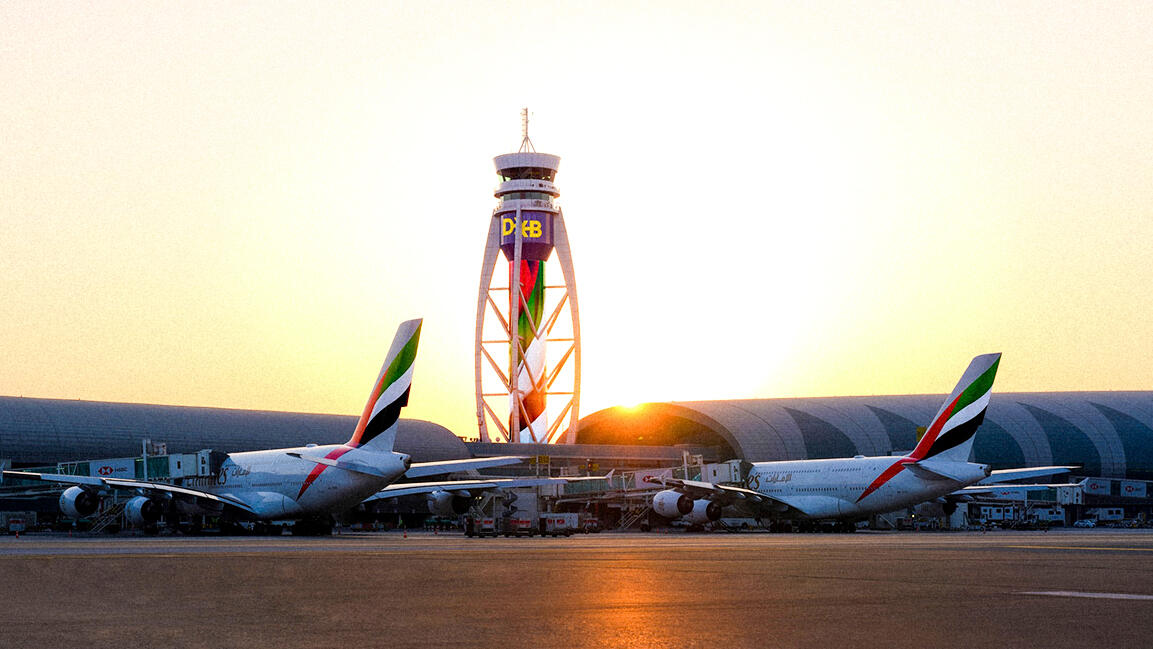


Dubai International Airport (DXB) handled 50.4 million guests during the first nine months of 2026, as passenger traffic continued to recover from disruptions earlier in the year.
The airport welcomed 18.8 million guests in the third quarter, with August recording the highest monthly traffic at 6.6 million. However, passenger numbers fell 28.1% year over year in the first nine months and 22.1% in the third quarter.
Direct and connecting passengers accounted for broadly similar shares of traffic. In September, travelers arriving in or departing from Dubai represented 49% of total traffic, while transit passengers made up the remaining 51%.
Paul Griffiths, CEO of Dubai Airports, said the airport expects to handle more than 70 million guests in 2026 as airlines resume services and its international network expands.
He added that investments in technology and operational efficiency are intended to increase capacity within existing facilities while improving the passenger experience.
DXB is currently served by 57 airlines connecting Dubai to 235 airport destinations across 101 countries. British Airways resumed services in November, joining carriers including Royal Air Maroc, SunExpress, and Cebu Pacific. Additional airlines are expected to resume operations in the coming weeks.
India was the airport’s largest country market in the third quarter, accounting for 2.6 million guests, followed by Saudi Arabia with 1.4 million and the UK with 1.3 million. Pakistan recorded 800,000 guests, while the US and Germany accounted for 640,000 and 480,000, respectively.
London was the leading city destination, with 784,000 guests, followed by Mumbai with 528,000, New Delhi with 525,000, Riyadh with 500,000, and Jeddah with 490,000.
Traffic also increased across several leisure destinations during the quarter, with Milan recording 20% growth, followed by Phuket at 17%, Cape Town at 14%, Barcelona at 13%, and Denpasar at 11%.
Dubai Airports is also expanding its use of digital tools, artificial intelligence, and predictive analytics to improve airport operations. The initiatives combine data from different airport systems to provide operational teams with an up-to-date view of passenger flows, aircraft activity, and airport capacity.
AI-powered analytics are being used to identify potential bottlenecks and anticipate operational pressures, while expanded self-service facilities and biometric processes aim to reduce manual procedures and improve passenger movement through the airport.
Aircraft movements at DXB reached 243,000 during the first nine months, down 27.6% year over year. This included 92,800 movements in the third quarter.
Cargo volumes totaled 1.215 million tons during the nine-month period, a 23.2% decline compared with the same period in 2025. The airport handled 464,000 tons of cargo in the third quarter.
The average aircraft load factor stood at 74%, down three percentage points year over year, while the average number of guests per aircraft movement fell 0.8% to 211.
Despite the decline in overall traffic, DXB reported short waiting times at key passenger checkpoints during the third quarter. Some 99.9% of guests waited less than 10 minutes at departure passport control, while the same share waited under 15 minutes at arrival passport control. Additionally, 99.7% cleared security checks in less than five minutes.
The airport processed 48 million bags during the first nine months, with 91% delivered within 45 minutes of arrival. Baggage handling accuracy reached 99.73%, while the mishandled baggage rate stood at 2.67 per 1,000 guests.

Featured Videos
Today's Top Stories:
More Top Stories:




FROM OUR PARTNERS