- | 9:00 am
How protein became the Gulf’s everyday wellness staple
For many consumers, convenience is becoming the entry point into protein consumption, prompting brands to rethink how they package, market, and position protein for a broader consumer base.
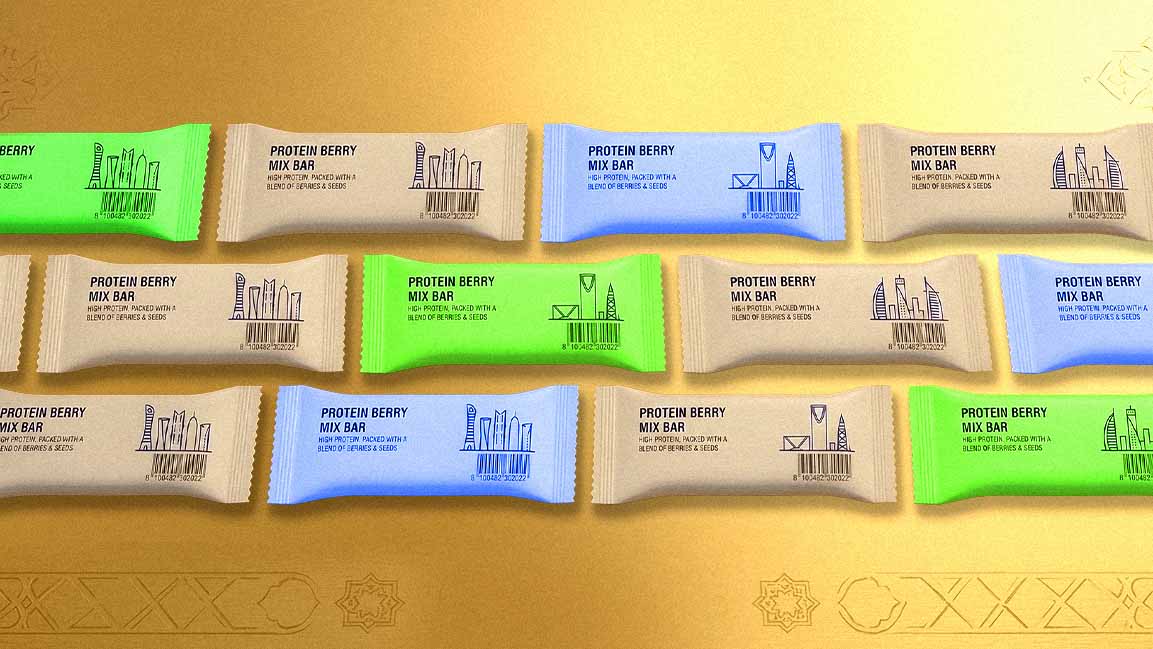


Not long ago, protein powders were largely associated with athletes and bodybuilding culture, and they sat on supplement store shelves. Today, protein is being rebranded as an everyday wellness staple, appearing in supermarkets’ dairy and snack food aisles, bakeries, and even at your favorite café.
Saudi dairy producers Almarai and Nada have rolled out a range of protein-rich milk drinks, each offering 30-40 grams of protein per serving. In Dubai, Spinneys offers protein and collagen add-ins at its smoothie bar, while Waitrose carries bread with 19.2 grams of protein. Late last year, Pete’s Coffee added protein lattes to its menu, and Starbucks followed by adding protein lattes and cold foam to its functional beverage offerings.
The Middle East protein market is projected to reach $2.29 billion by 2031, driven by growing consumer health consciousness and demand for functional foods and convenience-led nutrition products, according to Mordor Intelligence.
GROWING HEALTH CONSCIOUSNESS
Experts say the rise of protein is increasingly tied to broader concerns about healthy aging, energy levels, metabolic health, and muscle preservation.
“Previously, protein was seen as important for muscle building and sports performance,” says Rahaf Altowairqi, a clinical dietitian at Medcare Royal Specialty Hospital. “Now, the focus has shifted toward overall health, healthy aging, body composition, and metabolic health.”
Altowairqi adds that growing awareness is especially important as sedentary lifestyles and rising obesity rates have pushed people to pay closer attention to nutrition, while social media has made health information more accessible.
For women in particular, attitudes toward protein and strength training are also changing. Kieran Sheridan, physiotherapist and owner of Gulf Physio, says the longstanding fear of “bulking up” has given way to an understanding that maintaining muscle is essential for long-term health.
At the same time, conversations on perimenopause and menopause have become mainstream, with more women learning how declining estrogen contributes to muscle loss and changes in recovery, energy, and body composition.
“Women are asking far more targeted questions about nutrition’s role in recovery and physical performance,” Sheridan says. Social media has also contributed to the shift, he adds, with coaches, dietitians, and physiotherapists increasingly normalizing high-protein intake as part of a long-term health strategy.
DEMAND FOR FUNCTIONAL FOODS
Unlike whole-food sources such as eggs, poultry, or lentils, packaged protein products are designed to deliver concentrated protein in portable, ready-to-consume formats, making them easier to fit into workdays, training routines, or daily life. For many consumers, convenience is becoming the entry point into protein consumption.
That shift is prompting brands across the region to rethink how they package, market, and position protein for a broader consumer base. One example is Dubai-based wellness brand Nothing Wicked.
“The ‘high-protein’ conversation was [dominated] by gym culture,” says Sheetal Ramchandani, co-founder of Nothing Wicked. “Women managing hormonal health, children needing sustained energy throughout the school day, or families simply trying to eat well were not being considered.”
She notes that in the UAE, the shift is visible among a younger, health-conscious population that is becoming more attentive to labels and ingredients. “People are asking better questions – not just ‘how much protein,’ but ‘what kind and from what source,’” Ramchandani says.
At the same time, she states that the rising number of “high-protein” claims across supermarket shelves – from cookies to chips – is blurring distinctions in the category.
“That noise makes it genuinely harder for people to identify what is truly nourishing and what is simply clever packaging.”
MARKETING VS NUTRITION VALUE
The growing focus on protein does reflect real nutritional value – particularly across different life stages – but it is also being overstated in its application, says May Chalhoub, dietitian and health coach at Valeo Health.
“Consumers are often made to feel like everyone is severely protein-deficient and needs bars, powders, or high-protein versions of everyday foods,” she says, adding that most people would benefit first from understanding how much protein they get through regular meals before turning to supplements.
Protein intake should be guided by individual diet, activity level, and life stage rather than by broad assumptions such as “more is always better.” It crosses into marketing territory when people with already adequate diets add protein products on top, believing it will speed up results.
At the same time, convenient options like protein shakes or bars can be practical and beneficial. “Not because they are ‘magic,’ but because they help bridge a realistic nutritional gap,” Chalhoub says. “Not everyone has the time or access to prepare a high-protein meal after training.’
Ultimately, she says the shift reflects growing nutritional awareness, but the messaging has become overstated.
BEYOND MARKETING CLAIMS
Altowairqi often sees women in their 20s and 30s influenced by friends, online content, or marketing claims that push protein powders and supplements, without fully understanding the risks.
She says protein needs vary widely, a nuance often missing from marketing or online messaging. In some cases, Altowairqi adds, supplements used without exercise or proper context can create unintended strain on the body. She also challenges the idea that protein is best consumed in large doses.
“The focus should be on balancing variety and consistency, rather than high amounts at a time,” Altowairqi says.
She stresses that adding protein to packaged foods does not automatically make them healthy. While products like Greek yogurt, bars, and fortified drinks may contain 16 to 40 grams of protein, they are also high in added sugars, artificial sweeteners, and processed ingredients, which ultimately undermine their supposed health benefits.
Sheridan adds that it is often incorrectly assumed that protein directly fuels exercise. Protein’s primary role is structural and regulatory, not as a fuel source during activity. It doesn’t provide energy for exercise; carbohydrates do,” he says, noting that protein is instead involved in muscle repair and maintenance.
Lastly, he highlights that the term “lean muscle” is a marketing construct rather than a scientific one. “All muscle is lean,” he says, adding that the phrase is largely used to appeal to aesthetics rather than describe any meaningful physiological difference.
The protein boom across the Gulf region sits at the intersection of legitimate nutritional science and aggressive commercial marketing. As new claims, product categories, and protein-fortified foods continue to enter the market, this highlights the need for a clearer understanding of nutrition to help consumers distinguish genuine dietary needs from marketing-driven positioning.