

- | 10:00 am
Fashion has a waste problem. These Middle Eastern brands are turning it into an asset
From deadstock fabrics to locally sourced textiles, these eight brands are redefining sustainable fashion across the Middle East



As the global fashion industry comes under increasing scrutiny for its environmental impact, a new generation of Middle Eastern designers is embracing more sustainable practices. From repurposing deadstock fabrics and textile waste to sourcing local materials and collaborating with artisan communities, these brands are demonstrating how thoughtful design, traditional craftsmanship and circular production can help reshape the future of fashion without compromising creativity or cultural identity.
The shift comes as sustainability increasingly influences consumer behavior across the region. Data shows that 58% of GCC consumers now consider sustainability when making purchasing decisions.
Meanwhile, a Bain & Company survey of 23,000 consumers found that 64% of respondents across the Middle East remain highly concerned about sustainability, with regional climate challenges driving greater environmental awareness. The study also found that eco-consciousness spans generations, with 72% of Generation Z and 68% of Baby Boomers expressing similar levels of concern.
Against this backdrop, a growing number of regional fashion labels are redefining what sustainable luxury looks like. Whether through small-batch production, deadstock fabrics, recycled materials or locally sourced textiles, these brands are proving that environmental responsibility can go hand in hand with craftsmanship, innovation and cultural storytelling.
All Things Mochi (UAE)

All Things Mochi Website
Founded by Ayah Tabari, All Things Mochi has built its identity around artisanal craftsmanship and a slower approach to fashion. The brand makes extensive use of deadstock fabrics, repurposed materials and vintage textiles, while producing collections in limited quantities to reduce overproduction and textile waste.
Handmade crochet and traditional embroidery techniques support artisan communities across multiple countries, with several collections available for pre-order to minimize excess inventory. The company has also introduced garment recycling initiatives and is exploring clothing rental services and lower-impact packaging as part of its broader circular fashion strategy.
Kaleidoscope by Mimi (UAE)

Kaleidoscope by Mimi Website
Dubai-based Kaleidoscope by Mimi embraces a slow fashion philosophy rooted in craftsmanship, ethical production and cultural exchange. The brand produces handcrafted, small-batch collections in collaboration with female artisans from around the world, blending traditional textile techniques with contemporary design while supporting artisan livelihoods and limiting overproduction.
The company aims to bring cultures together through handmade fashion, creating garments with lasting cultural and emotional value. By placing community, craftsmanship and responsible production at the heart of its business, Kaleidoscope by Mimi seeks to empower both the artisans who create its collections and the people who wear them.
Abadia (Saudi Arabia)

Abadia Website
Saudi luxury label Abadia places sustainability at the heart of its design philosophy by combining contemporary fashion with traditional Middle Eastern craftsmanship. The brand collaborates with regional artisans to preserve heritage techniques while sourcing natural and responsibly produced fabrics wherever possible.
Its collections are produced in limited quantities to minimize overproduction, with many garments designed as seasonless investment pieces that encourage longer product lifecycles. Alongside its environmental efforts, Abadia prioritizes empowering female artisans and preserving traditional craftsmanship, making both central to its broader social sustainability strategy.
Kinki Swim (UAE)

Kinki Swim Website
Dubai-based Kinki Swim incorporates recycled performance fabrics into its collections, transforming post-consumer plastic waste into high-quality swimwear textiles. The brand follows a made-to-order and limited-production model to minimize inventory waste and encourage more conscious consumption.
By combining durable materials with smaller production runs, Kinki Swim aims to extend the lifespan of its garments while reducing the environmental impact often associated with fast-fashion swimwear.
Reform Studio (Egypt)

Reform Studio Website
Founded in Cairo, Reform Studio is one of the region’s pioneers in circular design. The studio transforms discarded plastic bags into its signature material, Plastex, which is handwoven by local artisans into furniture, home accessories and architectural products.
By diverting plastic waste from landfills while creating employment opportunities for local craftspeople, Reform Studio combines environmental sustainability with social impact. Its work demonstrates how discarded materials can be transformed into commercially viable, design-led products without compromising on quality or aesthetics.
Emergency Room (Lebanon)

Emergency Room Website
Emergency Room has become one of Lebanon’s leading circular fashion initiatives by creating garments entirely from donated, discarded and surplus textiles. Operating as both a fashion label and creative collective, the brand upcycles unwanted clothing and deadstock fabrics into one-of-a-kind collections, significantly reducing textile waste.
Following the Beirut port explosion, Emergency Room also became a platform supporting local designers, craftspeople and small manufacturers through collaborative production and community-led initiatives.
Saqhoute (Egypt)
Saqhoute Website
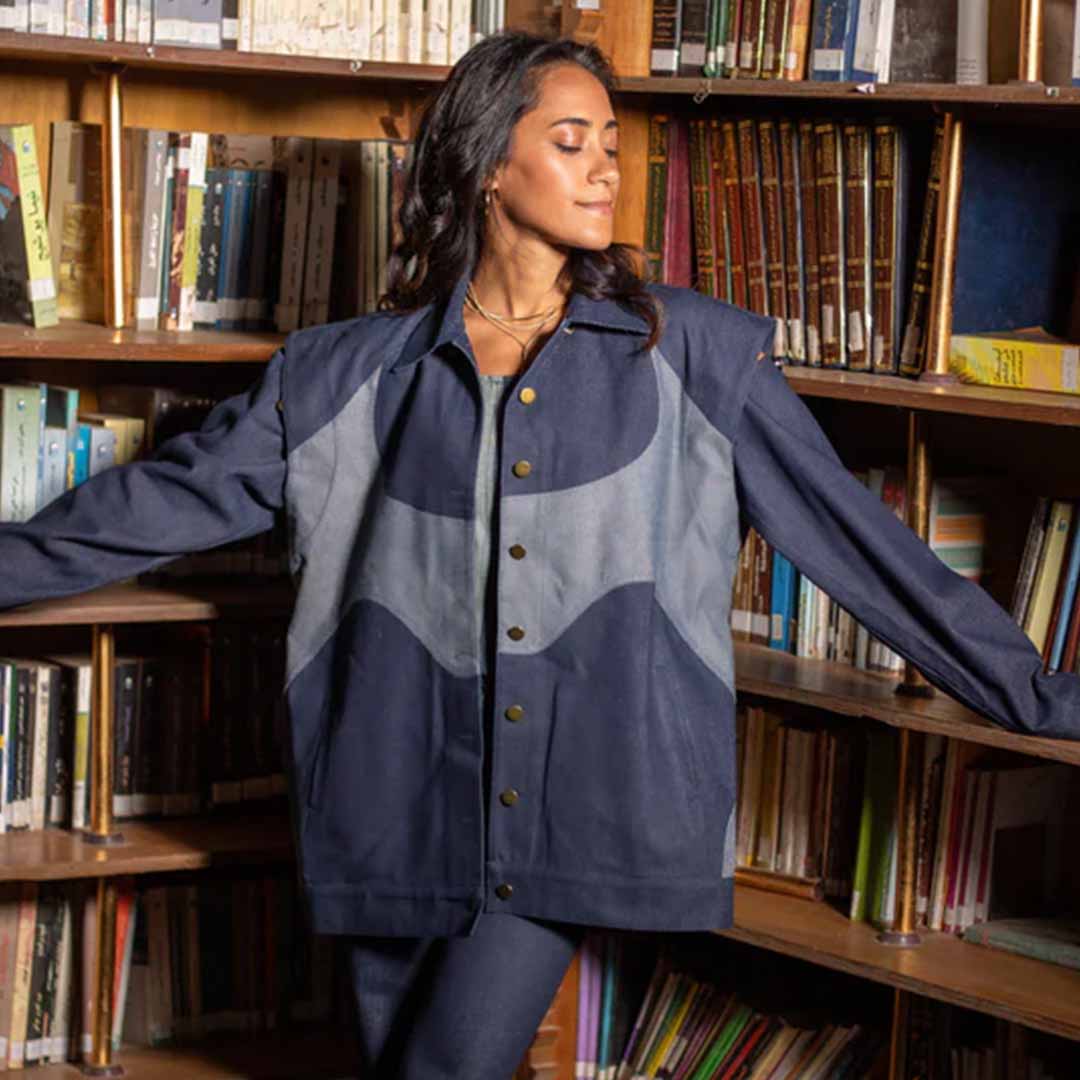
Saqhoute blends Egyptian craftsmanship with contemporary fashion through handcrafted garments produced in small batches. The brand works closely with local artisans, incorporating traditional embroidery and textile techniques into modern designs while supporting local manufacturing.
Its emphasis on limited production, locally made collections and preserving artisanal skills reflects a slower, more sustainable approach to fashion that prioritizes quality, cultural heritage and longevity over mass production.
Absent Findings (UAE)

Absent Findings Website
Founded in Dubai by designer Shivin Singh, Absent Findings takes a material-first approach to sustainable fashion, building its collections around surplus deadstock textiles, repurposed heirloom saris and forgotten fabrics that might otherwise go to waste. Rather than creating new materials, the brand transforms existing textiles into limited-edition garments, extending their lifespan while preserving the cultural stories woven into them.
Handcrafted in the UAE, its collections blend South Asian heritage with contemporary design, demonstrating that deadstock fabrics can be a source of creativity rather than a design constraint. The brand also incorporates premium Tuscan leather into selected accessories, pairing reclaimed textiles with high-quality craftsmanship to create pieces designed for longevity, material circularity and cultural continuity.