- | 9:00 am
How offices in the Middle East are being redesigned for the hybrid generation
Industry experts say workplace design plays a critical role in shaping employee well-being, engagement and productivity.
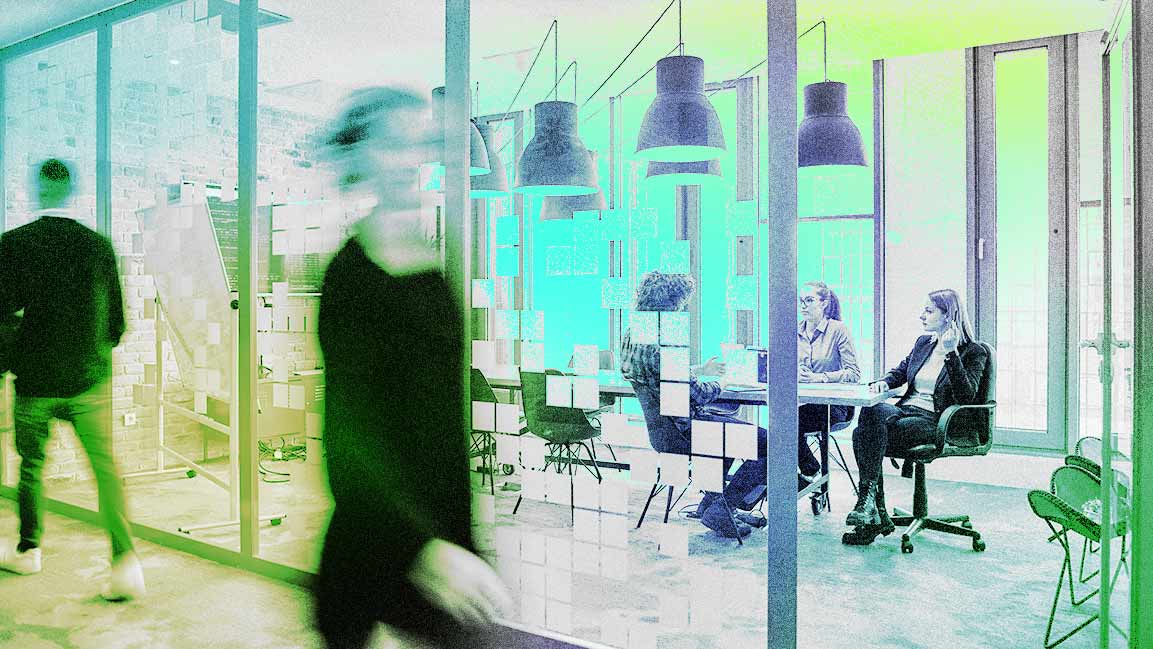


Only 14% of employees in the Middle East are engaged at work, according to Gallup’s latest State of the Global Workplace report, well below the global average of 20%. Nearly half report daily stress. Employers have tried perks, policies, and pay. Now, a growing number are looking at something more fundamental: the office itself.
As workplace norms are renegotiated, employees are asking harder questions about what work entails, seeking engagement and well-being, and human-centric workplaces.
Against this backdrop, workplace design is emerging as a strategic business priority rather than simply an architectural consideration. Experts say that good office design can boost employee wellbeing, engagement, and productivity. This happens when offices support different work styles, encourage teamwork, and use technology to make work easier.
OFFICE DESIGN ELEMENTS
“Environmental comfort plays a critical role, from access to natural light and high air quality to ergonomic furniture that directly contributes to focus, energy levels, and overall wellbeing,” says Nermine Fawzy, Chief People Officer at MAGRABI Retail
Fawzy adds that workplace design also reinforces company culture by reflecting an organization’s identity and values, while employee amenities can enhance the overall workplace experience.
Supportive amenities such as casual rooms, pantries, prayer rooms, outdoor settings, and break areas, she adds, “improve the daily employee experience and reflect an organization’s investment in its people.”
The greatest productivity gains come from giving employees greater control over how and where they work, says Timothy Winstanley, AIA, RIBA, Design Director at AtkinsRéalis Middle East.
“Strong empirical evidence shows that autonomy over workspace, access to quiet settings and protection from noise significantly improve focus and team productivity.”
He says workplace design should prioritize “tuning the sound, giving individuals more control over their environment, and designing with real human needs in mind.”
The aim should be to create workplaces where employees feel supported, energized, and able to thrive, he adds.
Drawing on his experience, Winstanley says well-designed workplaces influence how employees feel throughout the day, helping them focus, connect with colleagues and feel a stronger sense of belonging.
“When a space truly supports you and when it sounds right, feels right, and reflects the way you actually work, people easily settle in, focus and feel more connected to the people around you. It’s not just about improving workflow, it’s about creating places where people feel proud to show up every morning.”
ENCOURAGING COLLABORATION
“Innovation often happens between meetings, not during them,” says Mohamed Kassem, General Manager of Microsoft Egypt, noting that the most effective workplaces create opportunities for unplanned interactions through flexible collaboration areas, project spaces and social hubs where employees from different teams can naturally connect.
“Great ideas are often the result of diverse perspectives coming together, and workplace design can help make those moments happen more often.”
Similarly, Fawzy says spontaneous collaboration is often fostered by spaces designed to encourage natural interaction, such as open lounges and informal breakout areas, where unplanned conversations can lead to knowledge-sharing and new ideas.
Multi-purpose collaboration zones are equally important, providing the flexibility to accommodate everything from quick team discussions to larger cross-functional workshops.
Movement-friendly office layouts, which encourage employees to move around the workplace rather than remain at a single desk, are also important.
“By encouraging employees to move around rather than remain fixed to one desk, offices can create the chance encounters that often lead to innovation, stronger relationships, and new ideas,” says Fawzy.
THE ROLE OF TECHNOLOGY
Meanwhile, technology is increasingly an integral part of workplace design, with organizations embedding digital tools into office environments to support collaboration, productivity and hybrid working.
“Technology works best when it becomes part of the flow of work,” says Kassem, adding that as employees increasingly move between the office, home and remote locations, digital tools should help simplify work and improve collaboration.
“Good workplace design ensures that technology supports people without getting in their way.”
Technology should be embedded into the workplace to create environments that naturally support collaboration and productivity, says Tatiana Potapova, Head of Operations at Eqvilent.
Features such as smart meeting rooms, adaptive lighting and fully equipped workstations can remove friction from the employee experience, adds Potapova. “When design and technology speak the same language, the environment itself becomes a productivity tool.”
Technology should become an invisible part of the workplace, says Winstanley. “Design can elevate productivity and collaboration when technology is part of the spatial experience.”
He notes that AI is increasingly used to optimize office layouts based on how spaces are actually used, helping organizations improve efficiency and create workplaces that are more responsive to employee needs.
“AI-driven planning tools are now widely used and requested by clients to optimize layouts based on real utilization patterns, reducing design risk and improving effectiveness.”
In the future, Winstanley says AI will enable workplaces to dynamically adapt to employees through predictive room booking, intelligent lighting and acoustics, and real-time wayfinding.
“When we design with this kind of awareness in mind, rooms stay comfortable only when they’re needed… the building as a whole becomes far more intuitive.”
AI will also reshape collaboration by automating meeting administration and helping organizations continuously refine office layouts using occupancy data, he adds.
“When we design with these insights in mind, collaboration feels intuitive and productivity emerges naturally from a well-crafted environment.”
WORK MODELS AND TRENDS
With hybrid and remote work reshaping employee expectations, workplace experts say offices must offer a clear value beyond what employees can access at home.
Potapova believes the office must now “earn its place.” She says her organization has designed its workspace as a destination that combines futuristic aesthetics with a human-centric approach. “Flexible layouts and future-ready infrastructure mean the office evolves as the company grows. The trend is that workplaces that simultaneously reflect brand identity, promote wellness, and drive high performance will define the next era of work.”
Winstanley says workplaces are evolving from desk-heavy environments into activity-based ecosystems designed for collaboration, focused work and well-being, with data and analytics helping organizations optimize layouts.
“Technology is now woven directly into the architecture, with AI-driven tools and real-time digital systems helping bridge the gap between remote and in-person collaboration,” he adds.
Fawzy says the workplace has evolved from being a default daily destination into a space employees choose for collaboration, culture and connection.
“Investments in hybrid-friendly tools ensure that meetings and collaboration are more inclusive, creating a more balanced experience between employees working remotely and those physically present in the office.”
Looking ahead, Fawzy believes employee well-being and sustainability will increasingly shape workplace design, and the overall employee experience will be fundamental to how future offices are planned and built.

Featured Videos
Today's Top Stories:
More Top Stories:


FROM OUR PARTNERS