
- | 9:00 am
This super-white coating was inspired by a beetle’s scales
Made from cellulose, the sustainable material is an alternative to titanium dioxide. Ikea is already experimenting with it.
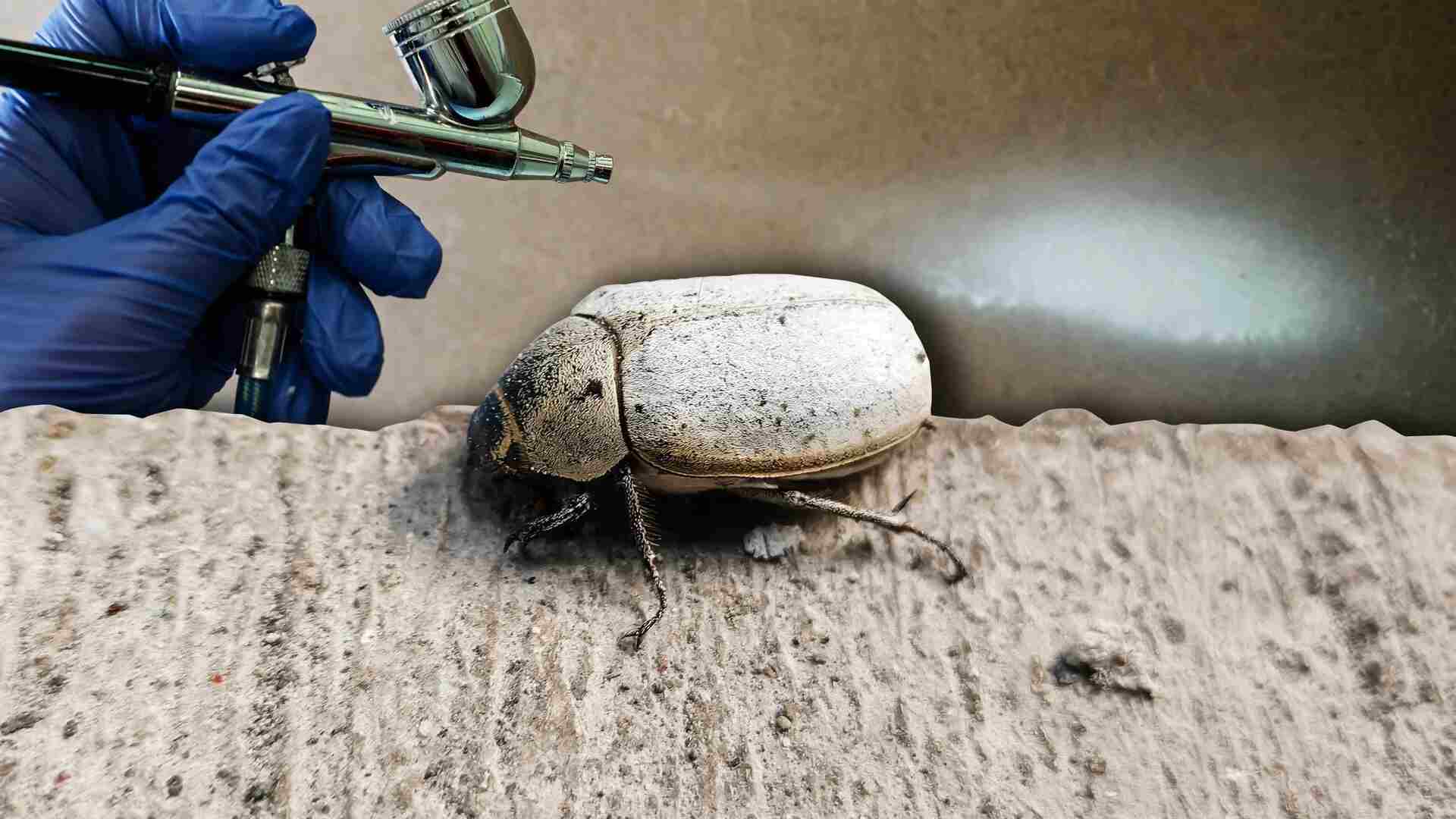


For decades, titanium dioxide has been used to make products bright white, from paint to powdered donuts. It’s effective, cheap, and hard to replace. But after the European Union (EU) banned it as a food additive in 2022 over potential health risks, companies have been searching for better alternatives.
One new colorant uses an unlikely design. Seprify, a Switzerland-based startup, took inspiration from a beetle that appears bright white because of the microscopic structure of the scales on its exoskeleton.
“It’s not hard to make anything white, but making white using very little material and very thin films is the challenge that this beetle, over thousands of years of evolution, has solved very well,” says Seprify’s CEO and cofounder, Lukas Schertel. The company spun out of work at the University of Fribourg and University of Cambridge, where Schertel and other researchers focused on bio-inspired color.
The colorant is designed to be used the same way that manufacturers used titanium dioxide. “Our material is a drop-in solution,” Schertel says. “It’s a powder that can be just used in the same formulations that they used before.”
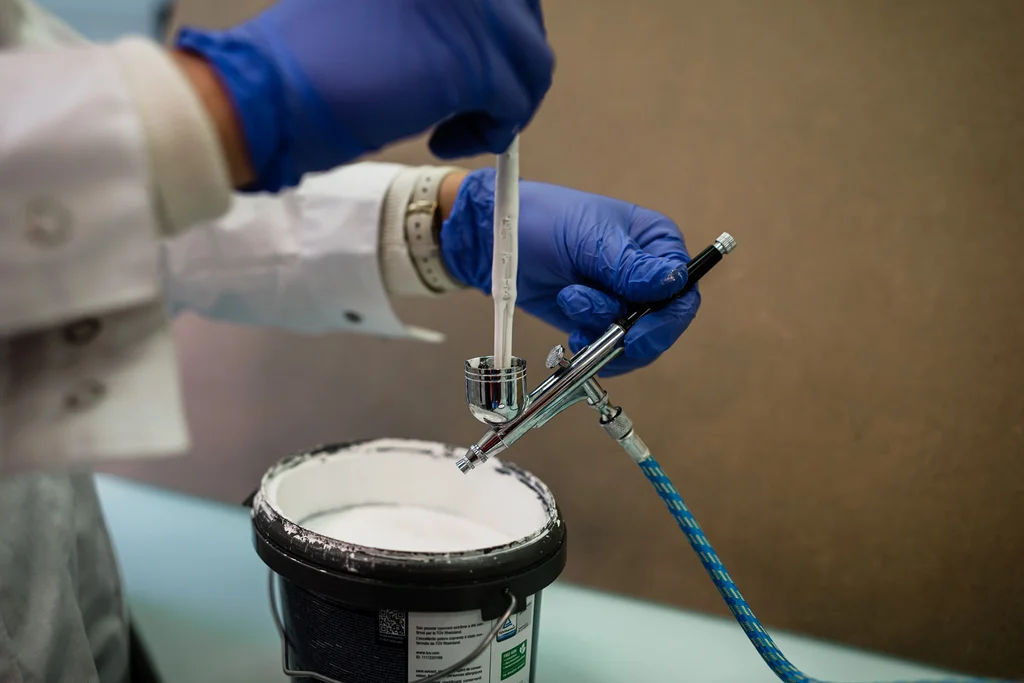
The startup starts with cellulose, “the most abundant plant material we can find,” he says. Then it shapes the cellulose into structures that mimic the way the beetle’s shell scatters light.
The coating can be used in multiple ways. Ikea’s parent company, which has invested in the startup, is exploring its use on furniture. Compared to conventional paint made with titanium dioxide—which has to be mined and processed—it significantly shrinks emissions. It uses roughly half the amount of material to reach the same level of whiteness.
Because it’s made from cellulose, if it’s used on wood furniture, the furniture can easily be recycled. That’s especially interesting for Ikea, which is focused on circularity as part of its sustainability strategy.
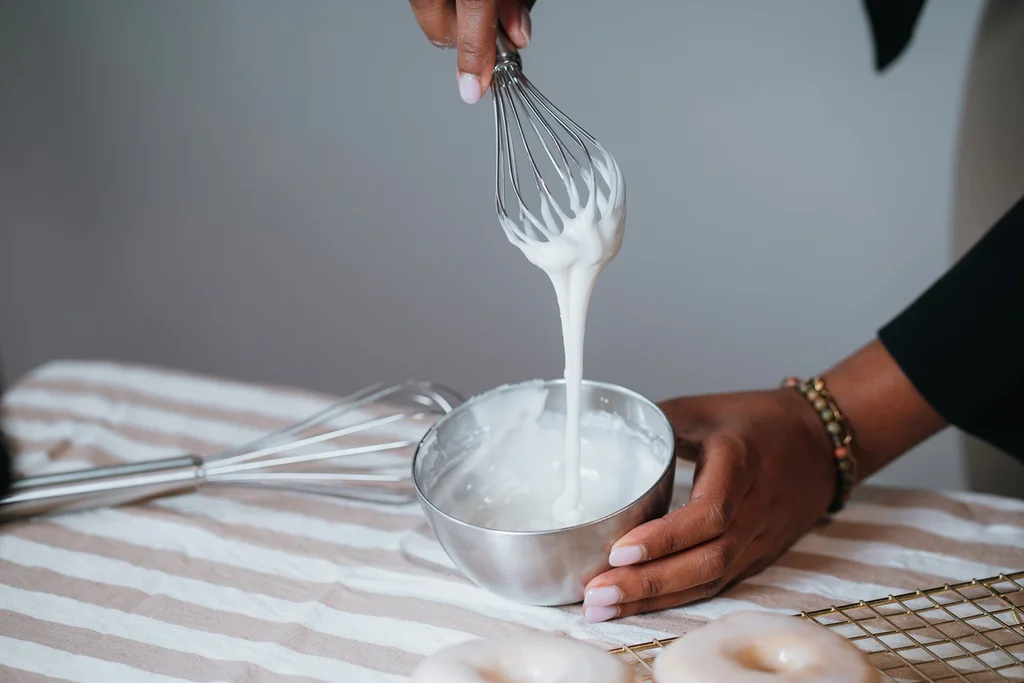
In food, the ingredient can be used in any of the hundreds of ways that titanium dioxide was used to whiten products. Other natural alternatives arguably don’t perform as well, Schertel says. In the EU, food manufacturers have already been forced to stop using titanium dioxide. In the U.S., brands are moving away a little more slowly. Some products, like Skittles, have dropped titanium dioxide under pressure. But you still might find it in anything from a package of tortillas to cottage cheese.
Research published in 2025 suggests that titanium dioxide may be an endocrine disruptor that affects blood sugar levels and could contribute to obesity and diabetes. Other studies suggest it’s a neurotoxin. The European Commission listed it as a suspected carcinogen, but later reversed course after pressure from the food industry.
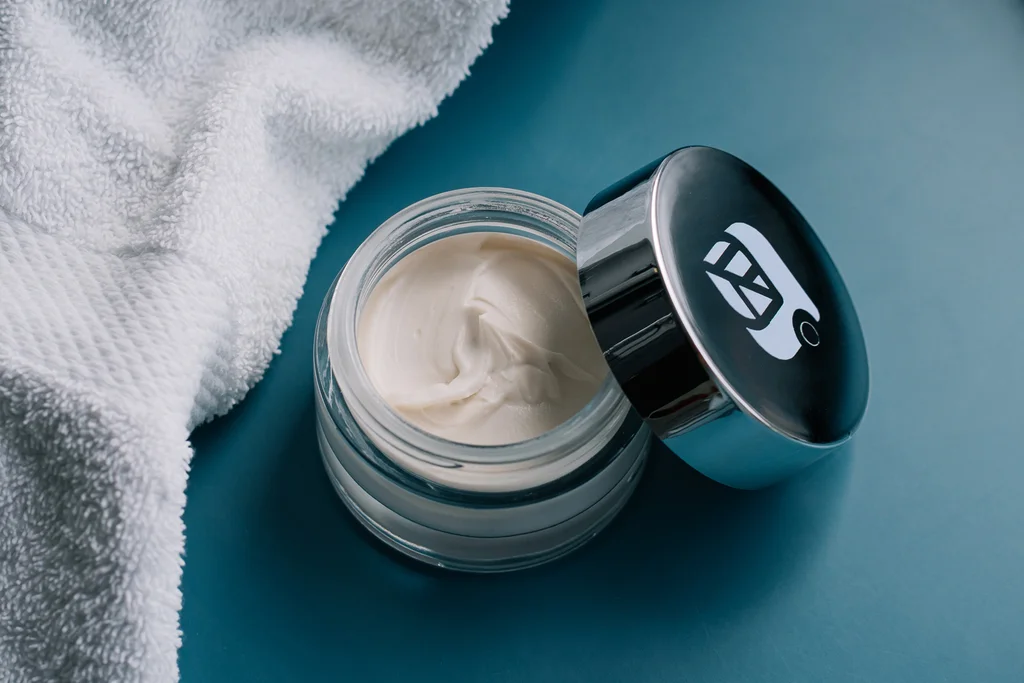
Titanium dioxide is also used in personal care products, including sunscreen. A version of Seprify’s product can act as a sunscreen. Instead of scattering visible light, the effect that makes its coatings appear white, it can be tweaked to scatter UV light. That means it avoids the whitish appearance of some sunscreens—and provides sun protection without other chemicals that are questionable for health and coral reefs.
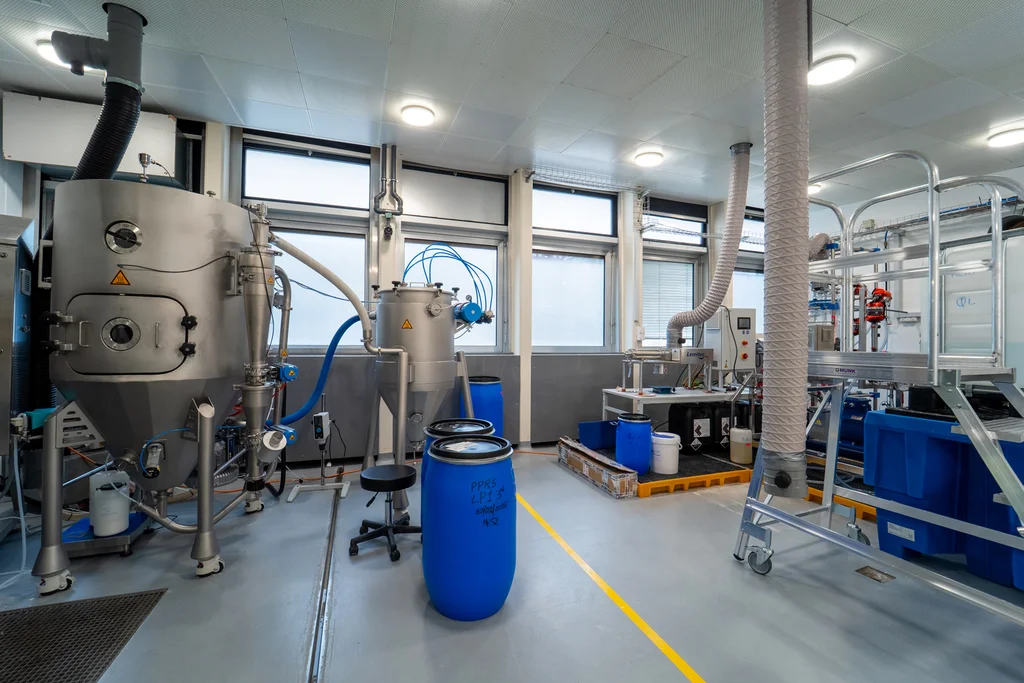
Working with contract manufacturers, the company recently started commercial-scale production. More than 100 companies are in various stages of testing the product. As Seprify grows, and eventually produces the product in its own factories, the cost will drop to compete directly with titanium dioxide for products like paint, Schertel says.
The team also hopes to help the larger nature-inspired industry grow. “What we try to show is that with biomaterials you can bring sustainability without compromising performance,” Schertel says. “I think if we can show that and customers see that in action, then they will also start to trust more and more in other bio-based solutions.”

Featured Videos
Today's Top Stories:
More Top Stories:




FROM OUR PARTNERS