- | 10:00 am
This design studio spent 10 years perfecting a lampshade made out of bacteria
The lampshades for the Cenit lighting system are made from bacteria grown using agro-industrial fruit waste.
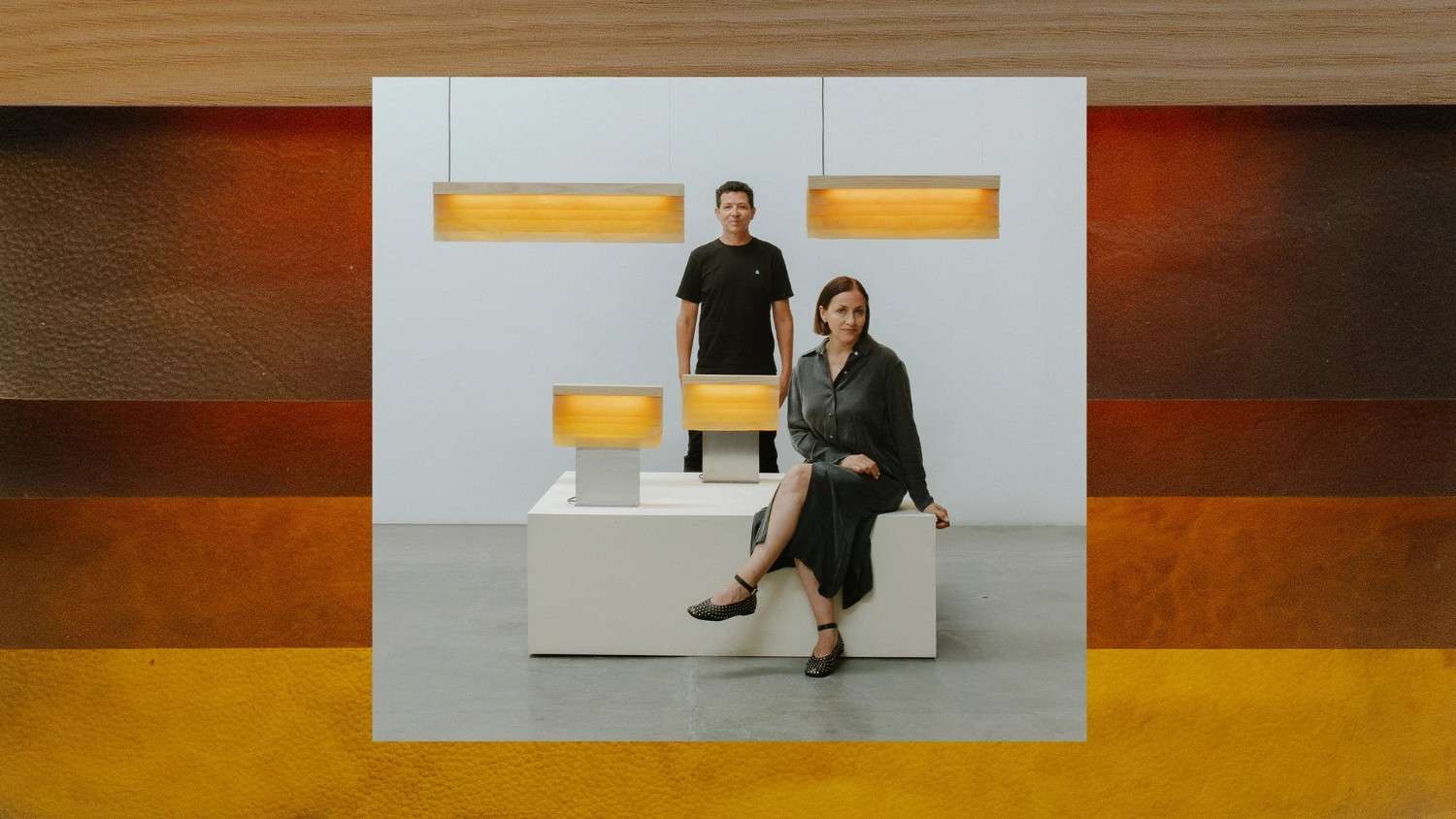


The Cenit lighting system is grown to order.
That’s because the collection of pendant and table lamps, designed by Mexican biotech company Polybion and Mexican design studio Natural Urbano, uses lampshades grown from bacteria.
Polybion calls the biomaterial used in the lamps Celium, and it’s made from bacteria grown with fruit waste. Developing Celium took more than 10 years of R&D, Polybion cofounder Alexis Gómez-Ortigoza tells Fast Company, and the process is fully integrated. It involves transforming agro-industrial fruit waste into a growth medium that can produce its own bacteria, cultivating that bacterial cellulose (a natural biopolymer), and finishing it to be a material suitable for a consumer product.
![[Photo: Galar/Galería Arquitectura/@galar.galeriaarquitectura]](https://images.fastcompany.com/image/upload/f_webp,q_auto,c_fit,w_1024/wp-cms-2/2026/08/09-91586240-bio-lamp-made-from-bacteria.jpg)
[Photo: Galar/Galería Arquitectura/@galar.galeriaarquitectura]
Agro-industrial fruit waste provides nutrients for the bacteria; as the bacteria grow, they assemble cellulose into a continuous sheet. Once that sheet reaches the desired thickness, it’s harvested, and from there, Polybion is able to further refine the sheet for characteristics like thickness, flexibility, feel, color, texture, and performance.
![[Photo: Galar/Galería Arquitectura/@galar.galeriaarquitectura]](https://images.fastcompany.com/image/upload/f_webp,q_auto,c_fit,w_1024/wp-cms-2/2026/08/01-91586240-bio-lamp-made-from-bacteria.jpg)
[Photo: Galar/Galería Arquitectura/@galar.galeriaarquitectura]
“Our work has focused on transforming that biological capability into a material platform that can be produced consistently, refined for different applications, and integrated into products and value chains across multiple industries,” Gómez-Ortigoza says.
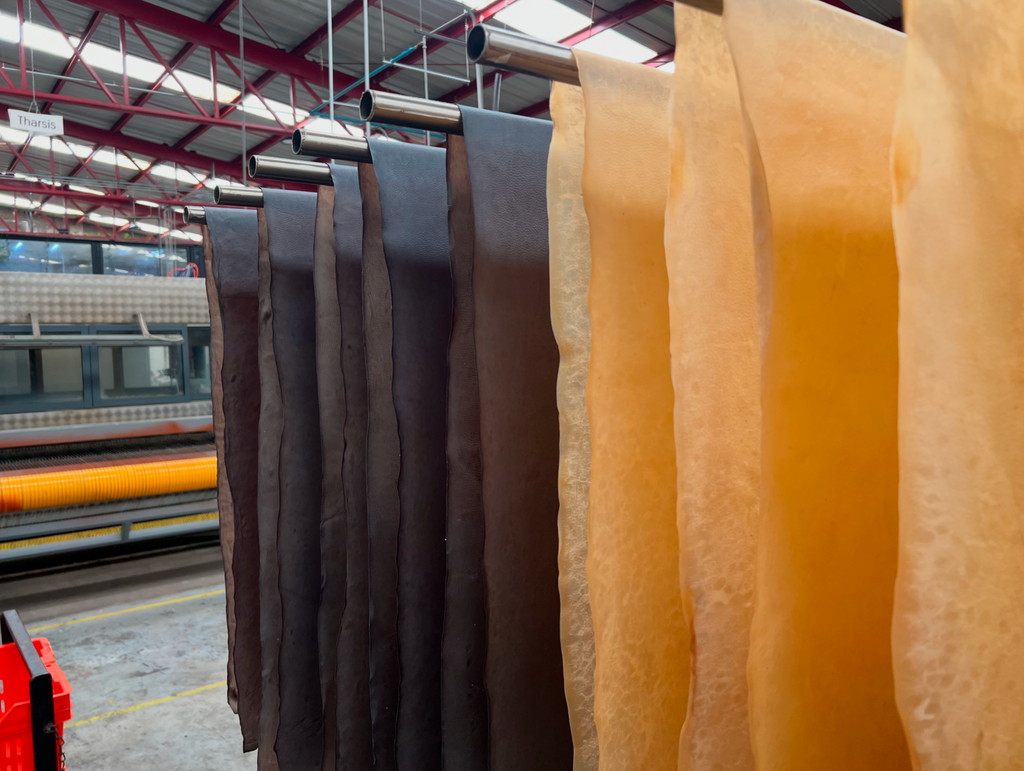
Celium has two finishes: Manto, which is lightweight, translucent, and supple, and Espumante, which feels fuller and foam-like. On the Cenit pendants and table lamps, it hangs from a natural ash wood structure in layered sheets that give off a warm glow.
“When the lamp is on, the material reveals gradients, texture, and warmth. When it is off, Celium retains a strong physical presence through its surface and form,” Gómez-Ortigoza says.
![[Photo: Galar/Galería Arquitectura/@galar.galeriaarquitectura]](https://images.fastcompany.com/image/upload/f_webp,q_auto,c_fit,w_1024/wp-cms-2/2026/08/04-91586240-bio-lamp-made-from-bacteria.jpg)
[Photo: Galar/Galería Arquitectura/@galar.galeriaarquitectura]
Each Cenit pendant or table lamp is made to order and takes about five weeks to create. The clean, modern look of the lighting system contrasts with Polybion’s last collaboration with Natural Urbano, the Lapso, which uses long Celium strands for lighting that looks like a jellyfish.
Celium and other biodesign materials represent an emerging design discipline that gives waste products new life as functional raw material, like tiles made from fish scales or building material for 3D-printed structures from corn. Cenit lights prove that fruit waste can be the starting point for something brighter.

Featured Videos
Today's Top Stories:





FROM OUR PARTNERS