
- | 1:00 pm
UAE strengthens global competitiveness as Dubai Customs accelerates trade and digital transformation
Dubai Customs is boosting trade efficiency, digitalization, and the UAE’s global competitiveness.
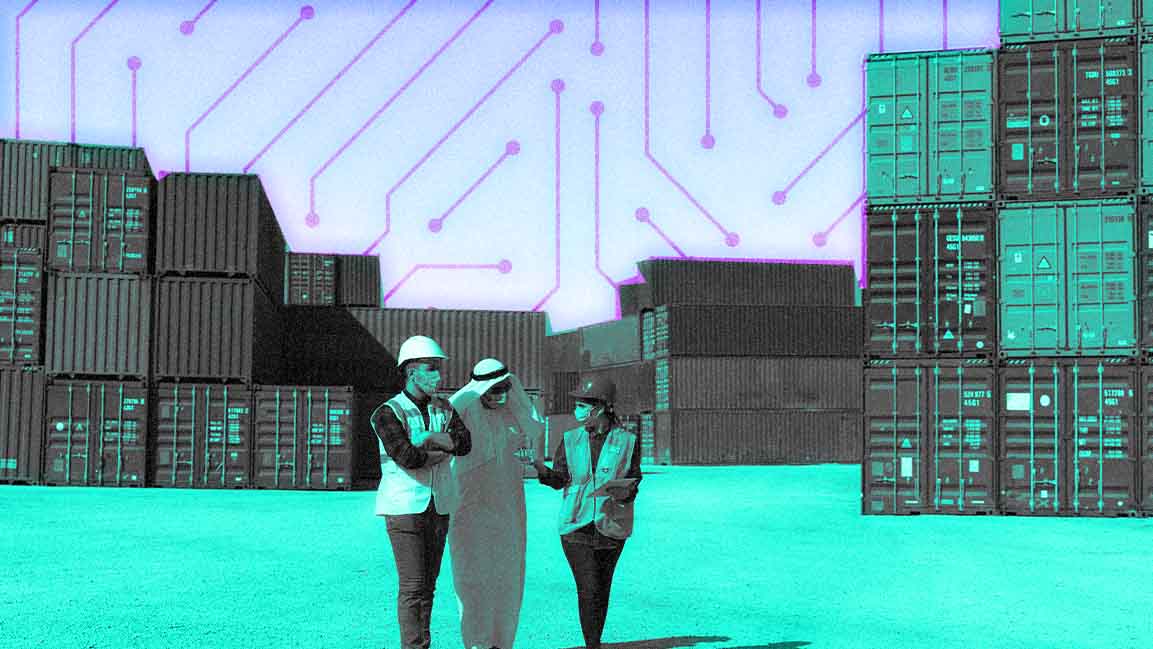


The UAE has strengthened its position across global competitiveness rankings, with improvements in customs efficiency, trade facilitation, digital services, and supply chain resilience contributing to its performance.
According to the 2026 Competitiveness Report, which tracks 2025 performance across 69 indicators drawn from 30 global reports, the UAE ranked among the world’s top 10% in 37 indicators, up from 27 in the previous edition.
The country also led the Arab world in 57 indicators, representing 82.6% of those measured. Overall, the UAE maintained or improved its leading position across 87% of indicators, compared with 84.7% a year earlier.
Dubai Customs directly contributes to seven of the indicators, including four under the World Bank’s Logistics Performance Index covering international shipments, tracking and tracing, timeliness, and customs. Its operations also have a partial impact on another 62 indicators spanning logistics, security, digitalization, government services, and the wider business environment.
“Dubai Customs plays a pivotal role as one of the key enablers of trade and the economy,” said Dr. Abdulla Busenad, Director General of Dubai Customs, adding that its operating model increasingly extends beyond the traditional oversight of goods.
He said streamlined procedures, data and artificial intelligence, stronger supply chains, and improvements to the customer experience were helping convert operational efficiency into “sustainable economic and competitive value.”
The results come as the UAE continues to expand its position as a global trade hub. The country ranked ninth globally in export trade in 2025, with total trade reaching $707 billion, according to World Trade Organization data. Jebel Ali Port also climbed from 49th to 26th place globally on the Container Port Performance Index.
Technology has become central to Dubai Customs’ efforts to improve the movement of goods. Its Shahin platform is designed to accelerate clearance and shipping procedures and connect stakeholders, while its Smart Risk Engine uses data analytics and AI to assess shipment risks and direct inspections.
The system works alongside the Advance Cargo Information initiative, which allows shipment data to be analyzed before cargo reaches port, enabling authorities to make earlier decisions and focus resources on higher-risk shipments.
Meanwhile, the customs security pillar increased from 37.5% to 50%, marking a 12.5-percentage-point rise and the largest relative improvement among the report’s pillars. Dubai Customs’ Green Corridor initiative further supports risk-based oversight by providing faster pathways for compliant shipments while directing greater scrutiny toward higher-risk cargo.
Trade facilitation also improved, with the index rising to 91.5%, while the Support Services pillar remained at 100% for the second consecutive year. Digital platforms including Mirsal have been introduced to accelerate responses to customer inquiries and improve access to customs information.
The broader shift reflects the UAE’s push to reduce bureaucracy through technology and redesigned government processes. The country ranked first globally on the Absence of Bureaucracy index, while Dubai Customs has increasingly moved from manual processes toward automation, AI, data analytics, and proactive services.
Dubai Customs is also investing in workforce development as competitiveness metrics increasingly account for talent. Its Masar 33 program focuses on developing national talent and future leaders, alongside specialized training in customs, logistics, trade, and emerging technologies.
“We will continue working to move from facilitating trade to empowering it, from delivering services to anticipating customer needs, and from managing risk to building a smart, agile customs system,” Busenad said.
The results highlight how customs operations increasingly extend beyond border clearance. Faster procedures, predictive risk management, digital services, and greater coordination between ports and logistics providers are becoming important components of the UAE’s wider strategy to strengthen its position as a global hub for trade and business.

Featured Videos
Today's Top Stories:
More Top Stories:





FROM OUR PARTNERS