- | 12:00 pm
Oman’s be’ah targets carbon credits from landfill emissions
The framework covers five stages: carbon accounting, project identification, credit registration and verification, issuance and trading, and financial integration.
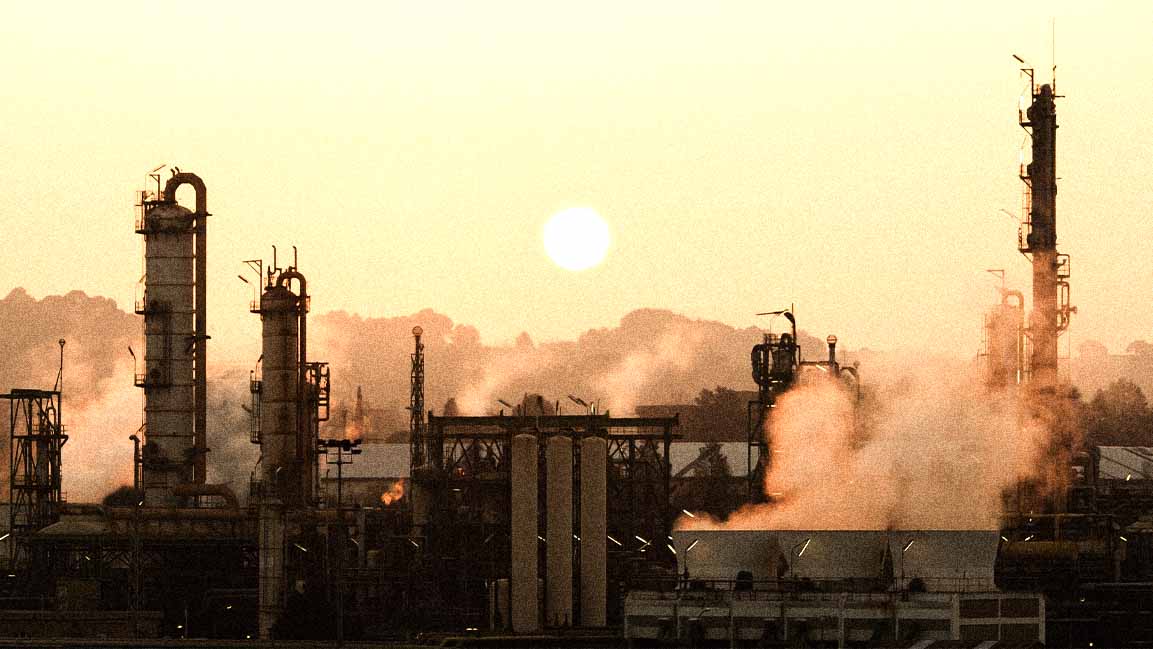


Oman Environmental Services Holding Company (be’ah) is expanding its carbon-management activities with plans to develop carbon credits from greenhouse-gas emission reductions across its waste-management operations, with landfill gas recovery emerging as a key area of focus.
The initiative is guided by be’ah’s Carbon Management Framework, which covers the process from measuring emissions and identifying reduction opportunities to registering, verifying and issuing carbon credits and integrating them into the company’s financial activities.
The framework is built around five stages: carbon accounting; identifying emissions-reduction projects; carbon-credit registration and verification; the issuance, sale and retirement of credits; and financial and accounting integration.
The strategy follows be’ah’s 2024 greenhouse-gas inventory, which recorded combined Scope 1 and Scope 2 emissions of 1.285 million tonnes of CO₂ equivalent. Scope 1 emissions accounted for 1.279 million tonnes, while Scope 2 emissions stood at 6,672 tonnes.
Solid-waste disposal sites were the largest source of Scope 1 emissions, accounting for 91.9%, followed by mobile combustion, mainly from the municipal solid-waste collection fleet, at 4.9%, and flaring at 1.5%.
The findings have placed landfill methane at the center of be’ah’s emissions-reduction efforts. Capturing landfill gas generated by decomposing organic waste and subsequently flaring or using it can reduce methane emissions and create measurable reductions that may be converted into carbon credits.
be’ah has previously partnered with OQ Trading, the global marketing arm of OQ Group, to identify carbon-credit opportunities and support project development, certification, verification and marketing.
Two landfill gas recovery projects at the Al Multaqa and Barka landfills were registered under Verra’s Verified Carbon Standard in 2024. The Al Multaqa project received credits for 2021 and 2022, while Barka received credits for 2022.
be’ah is also developing projects to convert recovered landfill gas into electricity. Al Multaqa has an estimated recovery potential of 430 Nm³ per hour and 460 kW of generation capacity, while Barka could recover around 530 Nm³ per hour and generate 600 kW.
The projects were around 55% complete by end-2025 and were scheduled for completion in July 2026. They aim to reduce methane emissions while generating energy and creating potential links between Oman’s waste sector and carbon markets.

Featured Videos
Today's Top Stories:
More Top Stories:


FROM OUR PARTNERS