
- | 11:00 am
Europe’s travel and tourism sector set to grow 3.1% in 2026
Europe is forecast to see 5.8% growth in international visitor spending, alongside 3.1% growth in leisure and 4.2% in business travel spending.
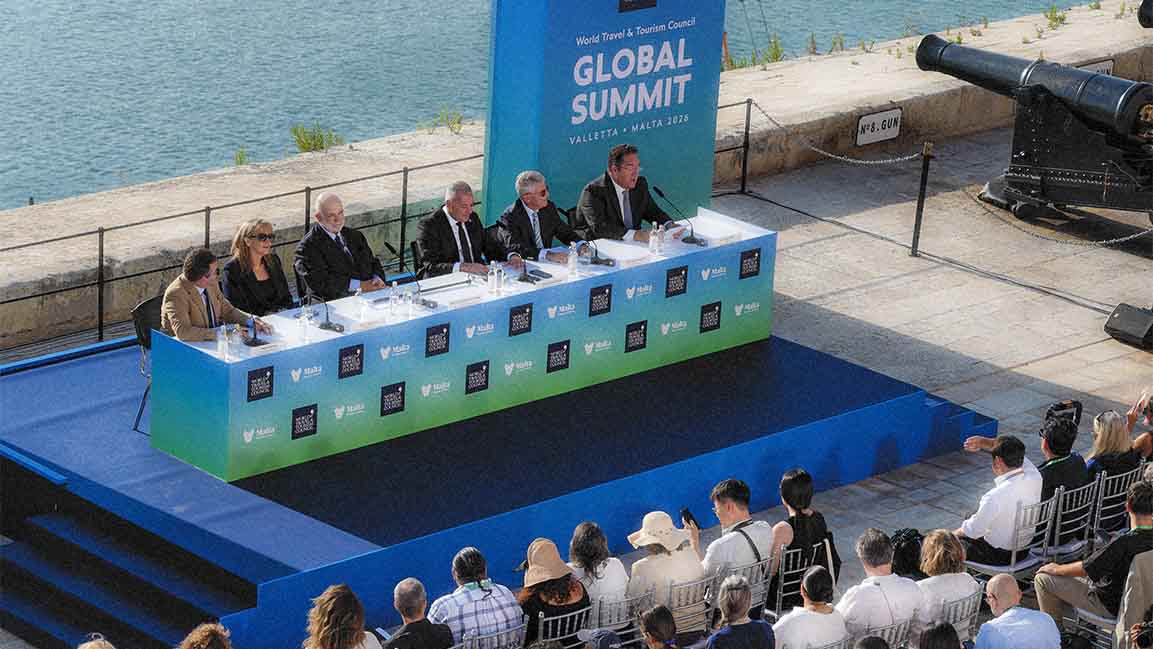


Europe’s Travel & Tourism sector is forecast to grow 3.1% in 2026, accelerating from 2.6% growth recorded last year and continuing to outperform the wider economy, according to the latest research from the World Travel & Tourism Council (WTTC).
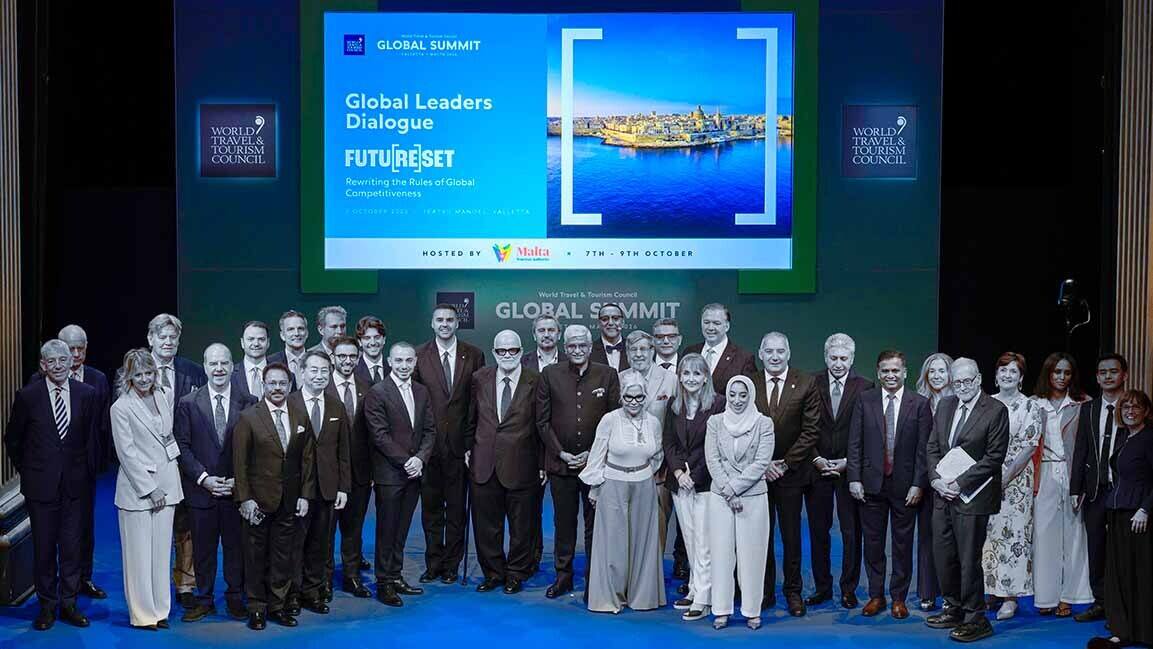
The figures were released as the WTTC opened its 26th Global Summit in Valletta, Malta, bringing together more than 1,000 delegates, including 200 Travel & Tourism CEOs and government leaders, as well as more than 100 speakers.
Among those attending are former Canadian Prime Minister Justin Trudeau, former Spanish Prime Minister José María Aznar, European Commissioner for Sustainable Transport and Tourism Apostolos Tzitzikostas, and Nick Adams, the first U.S. Presidential Envoy for Tourism.
Globally, Travel & Tourism is expected to grow 2.5% in 2026, also exceeding the pace of the wider economy.
Europe is forecast to record stronger growth, with international visitor spending expected to rise 5.8%. Leisure spending is projected to increase 3.1%, while business travel spending is expected to grow 4.2%.
The sector remains a major contributor to Europe’s economy, supporting around one in 10 jobs across the region and generating economic opportunities for businesses and communities.
“Travel & Tourism continues to demonstrate remarkable resilience,” said Gloria Guevara, President and CEO of WTTC. “Globally, the sector contributed $11.6 trillion to the economy last year, representing 9.8% of global GDP, and supported 366 million jobs, nearly one in every nine jobs worldwide.”
Guevara said governments would need to support seamless travel, connectivity, talent development and sustainable growth to help the region capture the sector’s projected opportunities.
The summit, held under the theme FUTU[RE]SET, will focus on investment, connectivity, technology and artificial intelligence, workforce development, destination competitiveness and sustainable growth.
WTTC Chairman Manfredi Lefebvre said the summit will provide an opportunity for industry and government leaders to strengthen partnerships and advance initiatives that support growth and investment across the sector.
For the host country, Malta, WTTC forecasts that Travel & Tourism will contribute $4.9 billion to the economy in 2026, equivalent to 16.9% of GDP, while supporting more than one in five jobs.
Malta was also among Europe’s strongest tourism performers in 2025. Its Travel & Tourism GDP contribution increased 16.8%, the highest annual growth recorded among European economies, compared with a 2.6% European average.
Carlo Micallef, CEO of the Malta Tourism Authority, said the country’s tourism strategy was focused not only on increasing visitor numbers but also on creating greater economic, social and environmental value.
“Through our vision for the future, we are not seeking to welcome more visitors only. We want to create greater value, not only economic, but also social and environmental,” Micallef said.
Dr Charles Mangion, Chairman of the Malta Tourism Authority, said hosting the summit reflected Malta’s growing role in the international tourism sector, while highlighting the need to ensure that tourism growth benefits local communities.

Featured Videos
Today's Top Stories:
More Top Stories:


FROM OUR PARTNERS