
- | 1:00 pm
Qatar’s renewable energy share set to more than double by 2035
Solar power is expected to drive the country's energy transition, with renewables projected to account for 25.9% of total installed power capacity by 2035.
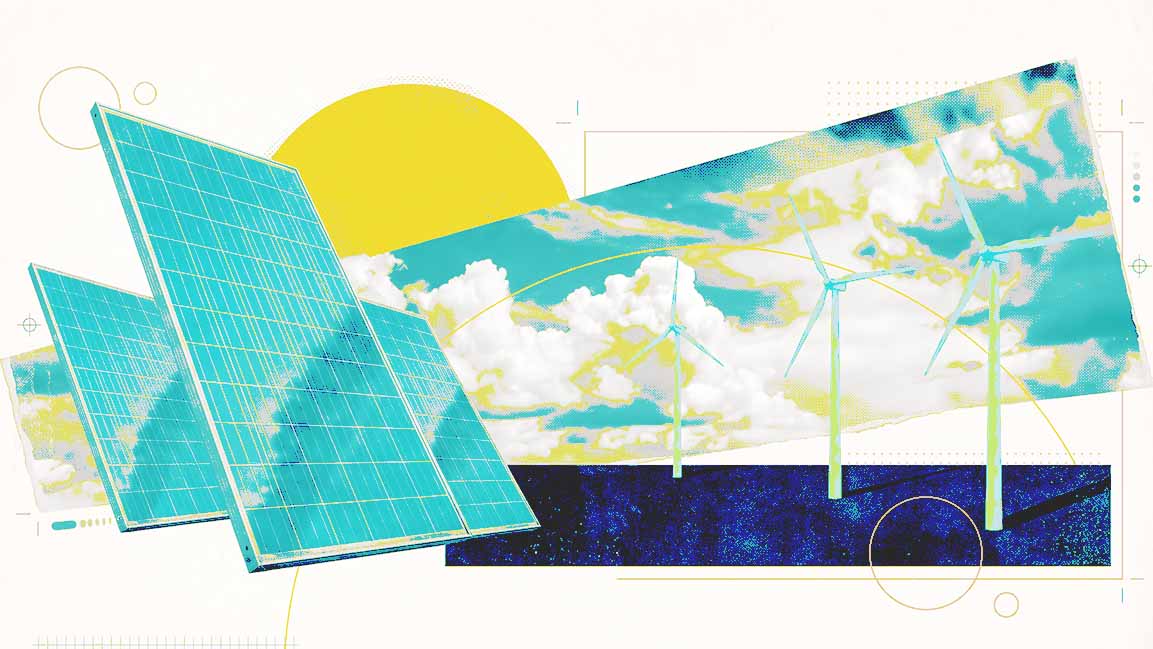


Qatar is accelerating the development of large-scale solar projects as part of efforts to diversify its energy mix, reduce reliance on natural gas for electricity generation, and expand renewable energy capacity.
According to a report by London-based data analytics firm GlobalData, renewable energy’s share of Qatar’s total installed power capacity is projected to increase from 12% in 2025 to 25.9% by 2035, marking a significant shift in the country’s energy landscape.
The report forecasts that Qatar’s overall installed power capacity will grow at a compound annual growth rate (CAGR) of 4.2% between 2025 and 2035, with solar photovoltaic (PV) capacity expected to expand at a faster rate of 12.4% annually.
Attaurrahman Ojindaram Saibasan, Power Analyst at GlobalData, said Qatar’s electricity sector is gradually transitioning from heavy dependence on natural gas to a more diversified energy model that combines conventional and renewable power sources.
He highlighted the Qatar National Renewable Energy Strategy as a key driver of this transition, alongside the development of major solar facilities, including Al Kharsaah, Ras Laffan, Mesaieed, and the large-scale Dukhan project.
These developments are expected to strengthen Qatar’s clean energy infrastructure while supporting efforts to reduce domestic gas consumption and emissions from electricity generation.
Despite the expansion of solar energy, natural gas is expected to remain central to the country’s power infrastructure, particularly in meeting electricity demand during the summer and supporting seawater desalination.
According to GlobalData, natural gas capacity will continue to increase in absolute terms and is projected to account for approximately 74% of Qatar’s total installed power capacity by 2035.
Gas-fired power plants, particularly those operating under the Independent Water and Power Project (IWPP) model, will continue to play a critical role in maintaining electricity supply and providing the thermal energy required for water desalination.
Saibasan emphasized that flexible gas generation and improvements in grid management will be essential to integrating larger volumes of solar power without compromising system reliability.
These measures will also support Qatar’s target of reaching 4 gigawatts of renewable energy capacity by 2030.
The projected expansion reflects Qatar’s broader efforts to balance renewable energy development with the continued role of natural gas in ensuring a stable power and water supply.

Featured Videos
Today's Top Stories:
More Top Stories:




FROM OUR PARTNERS