
- | 10:00 am
UAE and Saudi Arabia to drive more than 80% of Gulf data center expansion
Data center capacity across the GCC is expected to triple by 2030, led by the UAE and Saudi Arabia, as surging AI investment drives up electricity demand


The Gulf is emerging as a major hub for data center development, supported by government investment, advanced infrastructure and relatively low electricity costs, according to S&P Global Ratings.
In a new report, the ratings agency said Gulf Cooperation Council (GCC) countries are well positioned to support the next wave of AI infrastructure investment, with regional data center capacity expected to nearly triple to more than 3 gigawatts (GW) by 2030.
The UAE and Saudi Arabia are expected to lead the expansion, accounting for more than 80% of new capacity. Together, the two countries are projected to add between 2 and 3 GW of IT power capacity by the end of the decade, driven by national AI strategies, growing demand for cloud computing, and investment in digital infrastructure.
The S&P report said continued investment in power networks, telecommunications infrastructure, and supportive government policies has been strengthening the GCC’s position as a hub for digital and AI infrastructure.
Among the largest developments is the 5 GW UAE-US AI Campus in Abu Dhabi, which includes the Stargate UAE project. The campus’s initial 1 GW phase is expected to be completed over the next three years.
In Saudi Arabia, Public Investment Fund-backed AI company HUMAIN is targeting 1.9 GW of data center capacity by 2030, with plans to expand to between 6 GW and 6.6 GW by 2034.
Against this backdrop, the growing electricity requirements of data centers are creating new demands on regional infrastructure.
The report suggests that while the GCC has the energy resources and infrastructure advantages needed to attract AI investment, its ability to sustain the expansion will increasingly depend on keeping power generation, cooling, and connectivity infrastructure aligned with growing data center demand.
In Saudi Arabia, HUMAIN’s planned 1.9 GW capacity alone could consume approximately 17 terawatt-hours of electricity annually if fully utilized, equivalent to roughly 6% of the country’s current electricity consumption.
In the UAE alone, S&P expects electricity consumption by data centers to more than double by 2030, driven by the scale of the Emirate’s projects.
The UAE is already exploring ways to improve efficiency. The Ministry of Energy and Infrastructure, Khazna Data Centers and Agility have launched a pilot using technology from Seattle-based AI company Phaidra to improve energy efficiency in data centers and district cooling systems. The company claims its technology can reduce cooling-related energy consumption by up to 40%.
The company is also developing a 100-megawatt AI data center in Ajman using advanced liquid-cooling technology, designed to manage the heat generated by high-performance AI chips while improving energy efficiency.
Similarly, the Kingdom is also developing alternative cooling technologies. According to a 2026 report by Saudi Arabia’s Communications, Space and Technology Commission, locally developed geothermal cooling technology from Strataphy can reduce cooling-related electricity consumption by 40% to 50% without using water during its cooling cycle. Meanwhile, Saudi Energy has signed agreements to expand electricity infrastructure for AI data centers, including HUMAIN’s planned facility near Riyadh.
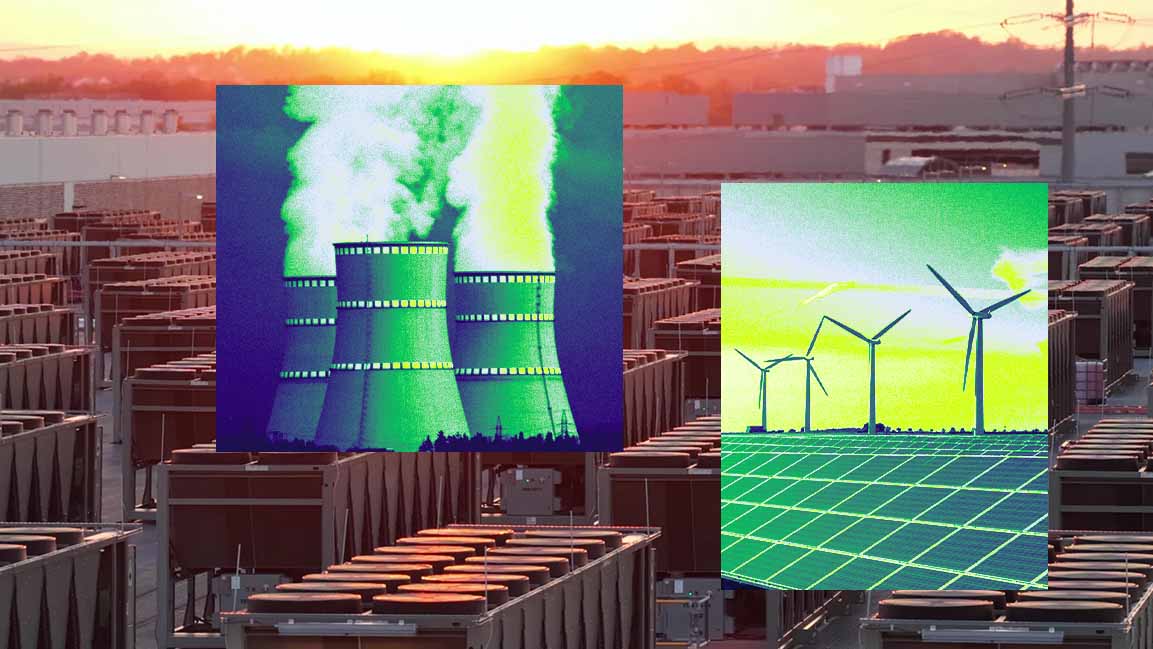
Overall, S&P expects the region’s combination of gas-fired generation, nuclear power, and expanding renewable energy capacity, including gigawatt-scale solar power, to provide a diversified power base capable of supporting the continuous demand of AI infrastructure.
The regional expansion comes amid a global investment boom in AI infrastructure, with the six largest US ‘hyperscalers’, including Amazon, Microsoft, Alphabet, Meta, Oracle and SpaceX, expected to spend more than $7 trillion on data centers and AI-related capital expenditure between 2025 and 2030, according to S&P Global Ratings.
Despite the region’s rapid expansion and strong positioning, the report noted that the Gulf still accounts for a relatively small share of global data center growth. The UAE and Saudi Arabia’s projected additions represent less than 2% of worldwide IT power capacity growth between 2026 and 2030, compared with approximately 70% expected to come from the US and Canada.

Featured Videos
Today's Top Stories:
More Top Stories:




FROM OUR PARTNERS