- | 10:00 am
One in two UAE parents say optimization culture is making them more anxious
More than half believe constant tracking and optimization is increasing anxiety.
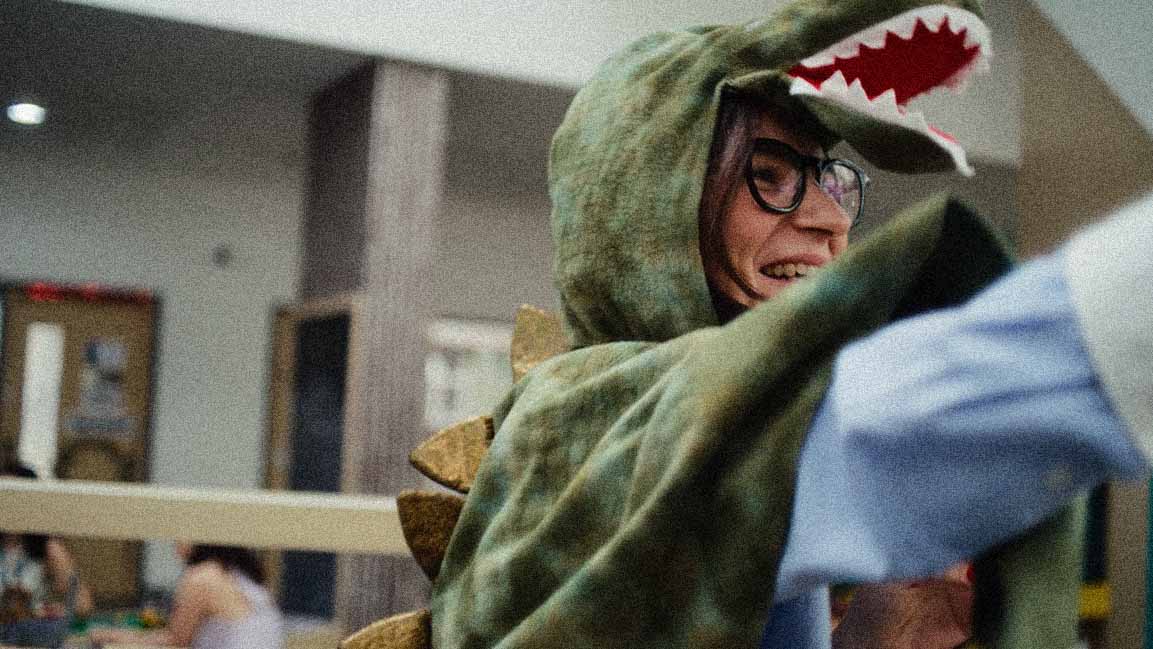


UAE parents say optimization culture is making them anxious. A new report from Nord Anglia Education makes the case for unstructured time.
More than half of UAE parents believe that constant tracking and optimization of daily life is increasing anxiety, according to new research from international school group Nord Anglia Education. Just 8% say it makes them happier.
The findings, drawn from a survey of more than 500 UAE parents and education experts, were released alongside Nord Anglia Education’s “Permission to Play” effort, launched on International Day of Play. Students wrote permission slips for their parents, inviting them to step away from screens, spend unstructured time together and reconnect through play.
The survey reflects a broader conversation about wellness culture. Fitness trackers, productivity content, and self-improvement influencers have made the pressure to measure and improve a near-constant feature of daily life. While 91% of parents surveyed say play and enjoyment are important for adult wellbeing, more than half report feeling guilty spending time on activities with no productive output.
“Children rarely need permission to play, but many adults feel they need permission to stop. Our research shows that while we understand the value of play, modern life has made it increasingly difficult to prioritize,” said Elizabeth Lamb, Regional Managing Director for the Middle East at Nord Anglia Education. “In a culture that celebrates productivity and optimization, play can often feel like a luxury rather than a necessity. Yet the evidence is clear: play is not time wasted. It is essential to our wellbeing, relationships, creativity, and resilience.”
Dr Ruba Tabari, Consultant Educational Psychologist, sees a contradiction at the heart of the optimization impulse. “We seem to live in an age where the pressure to optimize every aspect of life has become almost unavoidable. But there is an irony in trying to achieve well-being through constant measurement. By becoming so dependent on external indicators, we may gradually lose touch with our inner sense of direction. Intuition, presence, and the ability to trust our own experiences are difficult to quantify, yet they are central to understanding ourselves.”
On the question of play specifically, she adds: “As we grow older, playfulness often fades because it can seem trivial or unproductive. Yet those carefree moments can help us relax, strengthen our relationships and bring us joy. In our efforts to extend life, we may sometimes lose sight of how to enjoy it.”
The report also addresses the relationship between play and learning. “One of the greatest misconceptions about play is that it sits outside of learning. In reality, play is how children learn best. It’s through play that children build relationships, develop confidence, practice communication, solve problems, and learn to navigate challenges,” said Kathryn Kelly, Assistant Head and PYP Coordinator at Swiss International Scientific School Dubai.